Courses are held only in English.
The international and transdisciplinary Master’s programme Future Analytics: AI & Audio Worlds is aimed at graduates with a Bachelor’s degree in music (and musicology), cultural and sound studies, as well as computer science, data science and artificial intelligence. They will collaborate to explore, in a specialised, research-oriented approach, how AI and auditory cultures influence, shape, and challenge one another—and how futures can be shaped responsibly. You learn to analyse future-related challenges, critically reflect on them, and actively shape them. The programme is the first to bring these disciplines together in a single transdisciplinary Master's programme.
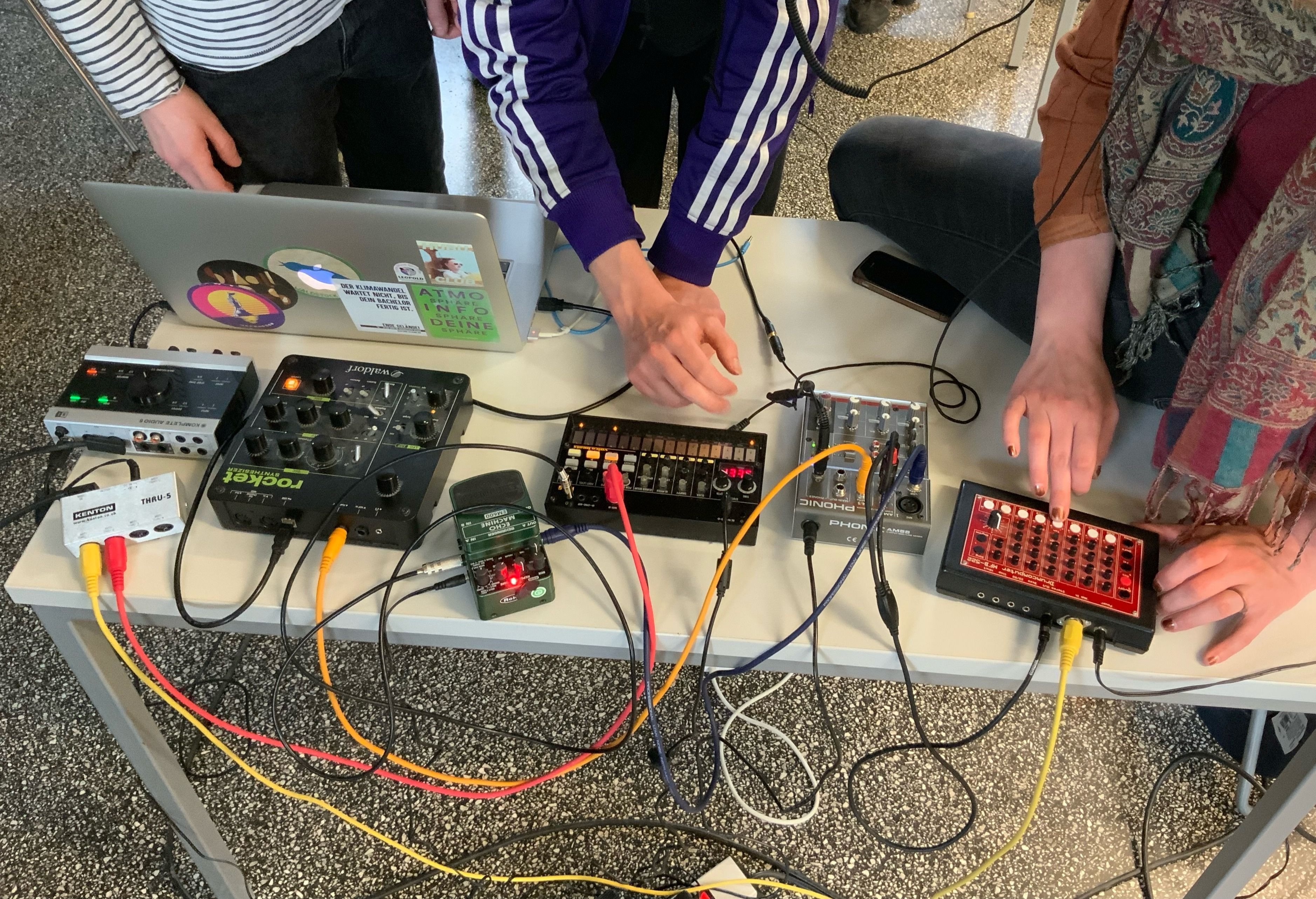
During your studies, you will acquire both in-depth knowledge in your own field and skills in the complementary field. You learn to analyse complex problems, deal with uncertainty, communicate across disciplines, and develop innovative solutions. Musicians learn to programme — computer scientists engage with music and audio design. Research skills, critical thinking, data literacy, creativity, and reflection on critical social and scientific discourses form an integrated competency profile. The programme views the future not as a fixed state, but as an open arena of negotiation in which agency continuously shifts between people, machines, data, and institutions (shifting agencies). You will work with academic theories, models, and methods, combining analytical thinking with creative practice.
Course Highlights
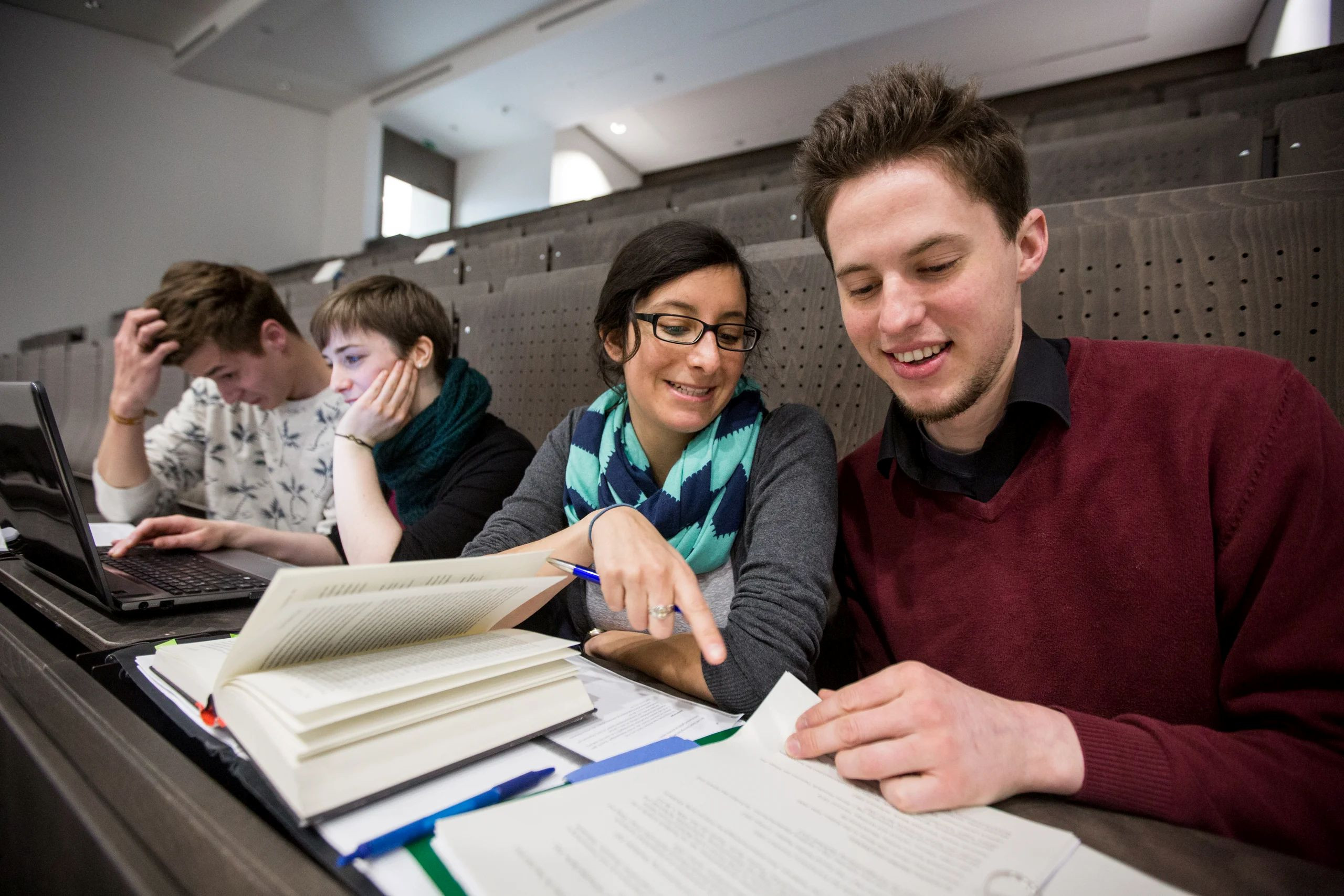
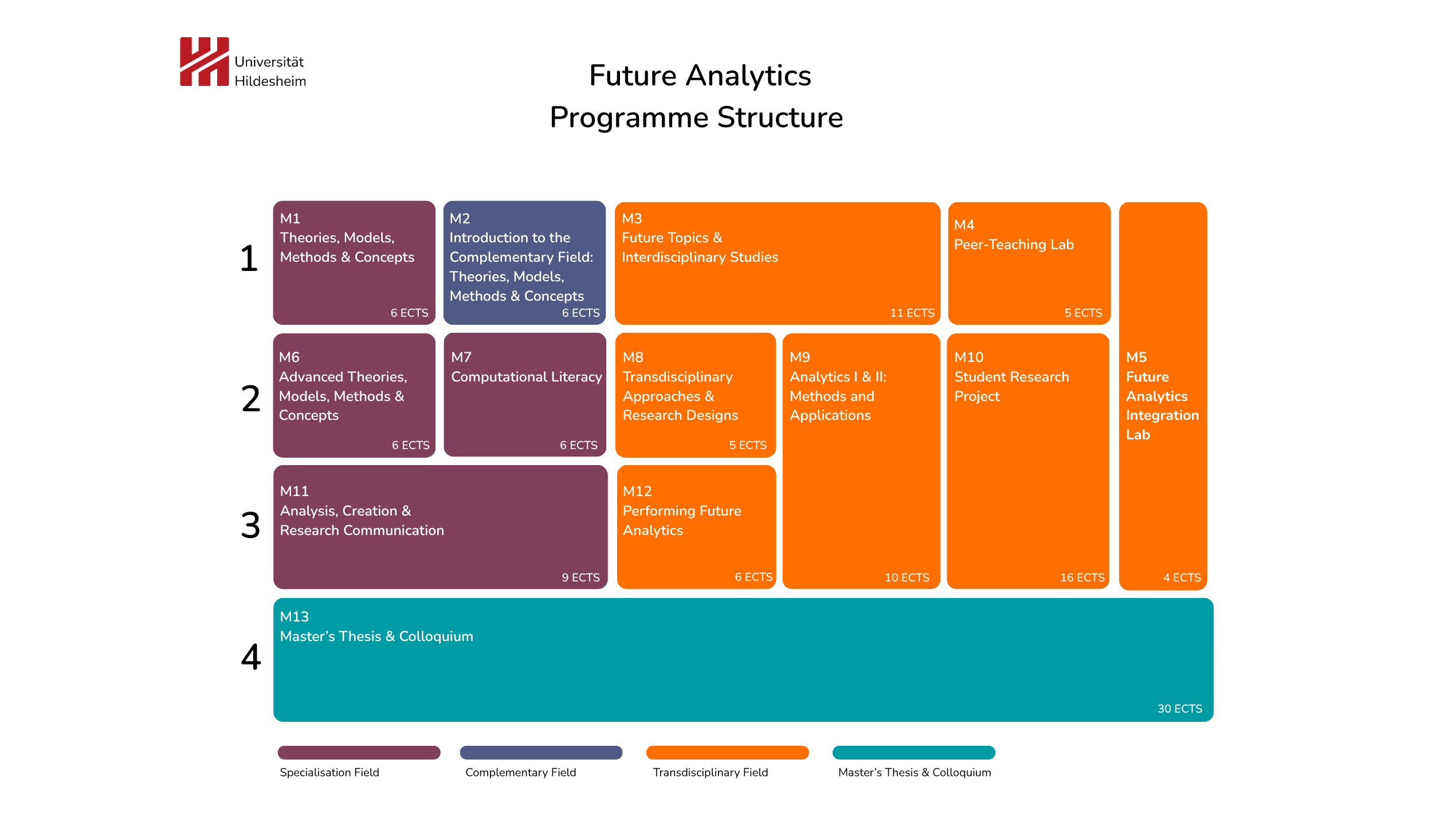
A central component of the programme is a two-semester student research project conducted in small teams. Building on academic theories, methods, and concepts, you develop your own research questions, future scenarios, or prototypical applications and gain experience in transdisciplinary work. You will learn to bring together different perspectives, develop a shared technical language, and work collaboratively on current future-oriented topics. Together, you organise a Future Topics Conference and link research to socially relevant future challenges.
The Master’s programme focuses on innovative teaching and learning formats such as project-based learning, peer learning, team teaching, as well as portfolio-based assessments and academic mentoring. These enable you to continuously reflect on your development and shape it independently. Through academic mentoring and close supervision by faculty members, you are supported throughout your entire programme.
After completing the programme, you will have a unique skill profile at the intersection of AI and auditory cultures, qualifying you for international careers in research, technology development, the cultural and creative industries, as well as AI ethics, governance, and consulting; or you develop your own scientific and artistic research and project ideas.