International Programmes 2026/2027

Water Resources Engineering and Management (WAREM) Water Resources Engineering and Management (WAREM)

University of Stuttgart • Stuttgart

Degree
Master of Science
Course location
Stuttgart
In cooperation with
  • University Chalmers, Göteborg, Sweden

A Master’s double degree programme can be offered for those who are interested.

Teaching language
  • English
Languages

The WAREM modules are all taught in English. However, if students are interested in attending a module offered from the university that is taught in German, they can choose this module as an elective.

Full-time / part-time
  • full-time
Programme duration
4 semesters
Beginning
Winter semester
Application periods
The following is valid for applicants from: all countries
For the winter semester:
15 November - 15 January
More information on application periods
Please find more details on this website.
Combined Master's degree / PhD programme
No
Joint degree / double degree programme
Yes
Description/content

The continuously increasing water needs of a growing world population are having a progressively adverse impact upon the Earth and its natural water resources. Sustainable water resources development within environmental and social limitations requires both qualified engineers and scientists as well as global scientific and professional cooperation. WAREM's internationally recognised Master of Science programme was specifically developed to satisfy these demands, taking into account international concerns regarding climatic, demographic and politically influential constraints and changes.

The courses offered allow students to acquire interdisciplinary knowledge in the following main topics:

  • Groundwater Resources Management and Geohydrology
  • Hydraulic Engineering and River Basin Management
  • Sanitary Engineering and Water Quality Management
  • Stochastic Simulation and Safety Research for Hydrosystems

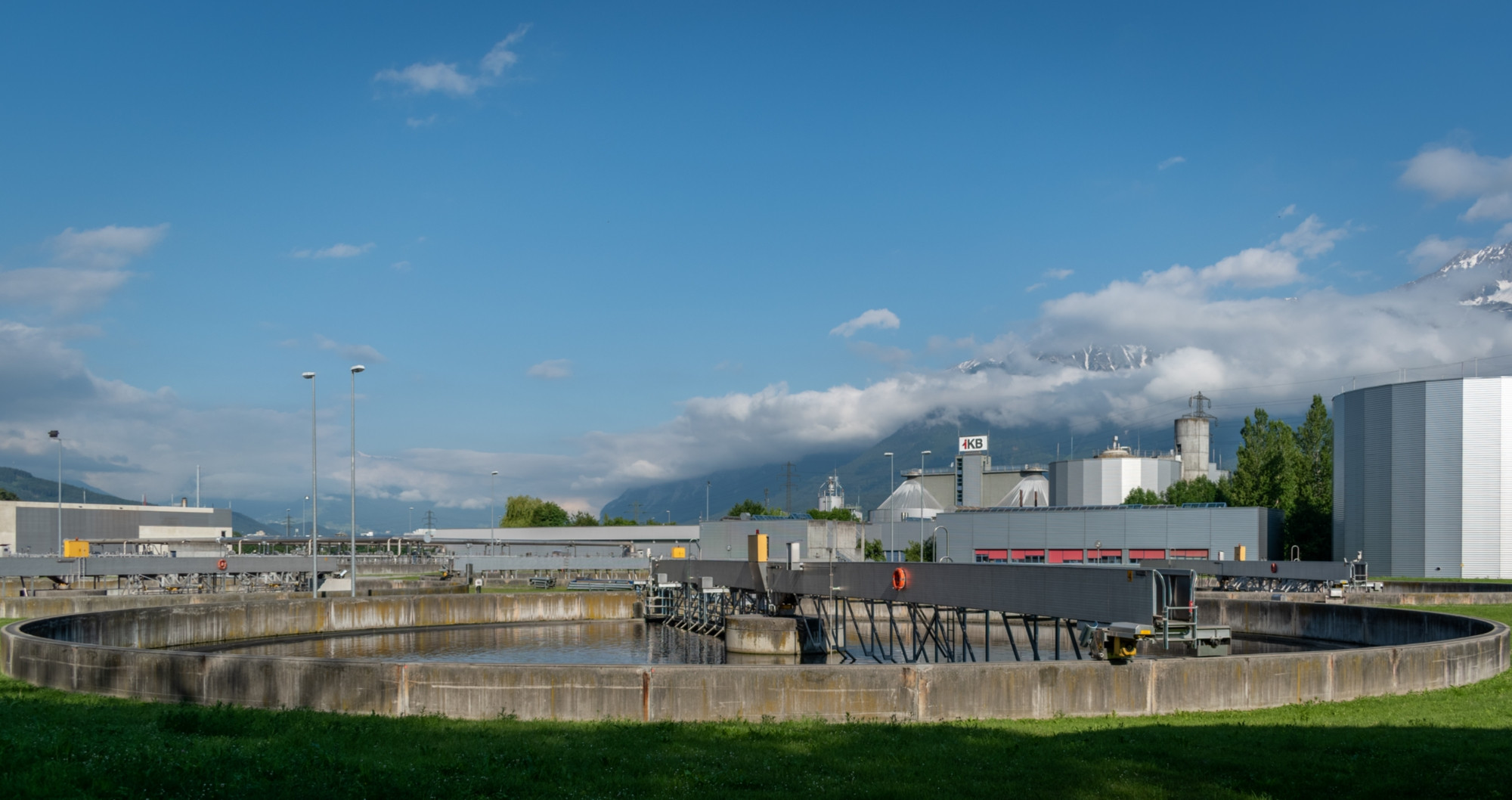
Furthermore, the programme profits from the university's excellent research facilities in the water sector, such as the Research Facility for Subsurface Remediation (VEGAS) – the only one of its kind in Germany – or the Hydraulic Laboratory (VA) with a floor of 1,600 m² that allows the construction of physical model experiments on topics related to hydraulic engineering and water resources management. The Teaching and Research Sewage Treatment Plant (LFKW) in Büsnau is affiliated with the Institute for Sanitary Engineering, Water Quality and Solid Waste Management (ISWA).

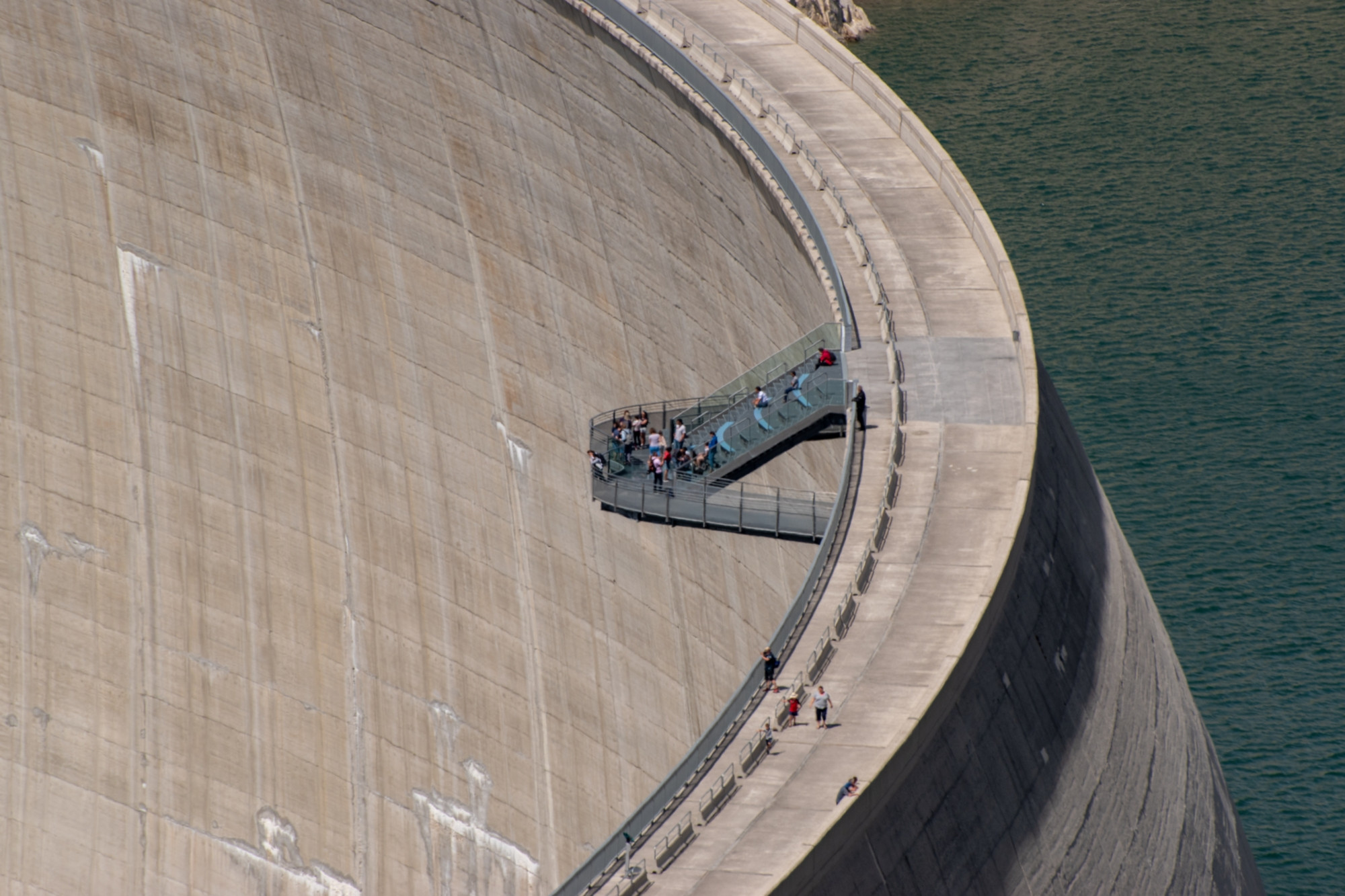
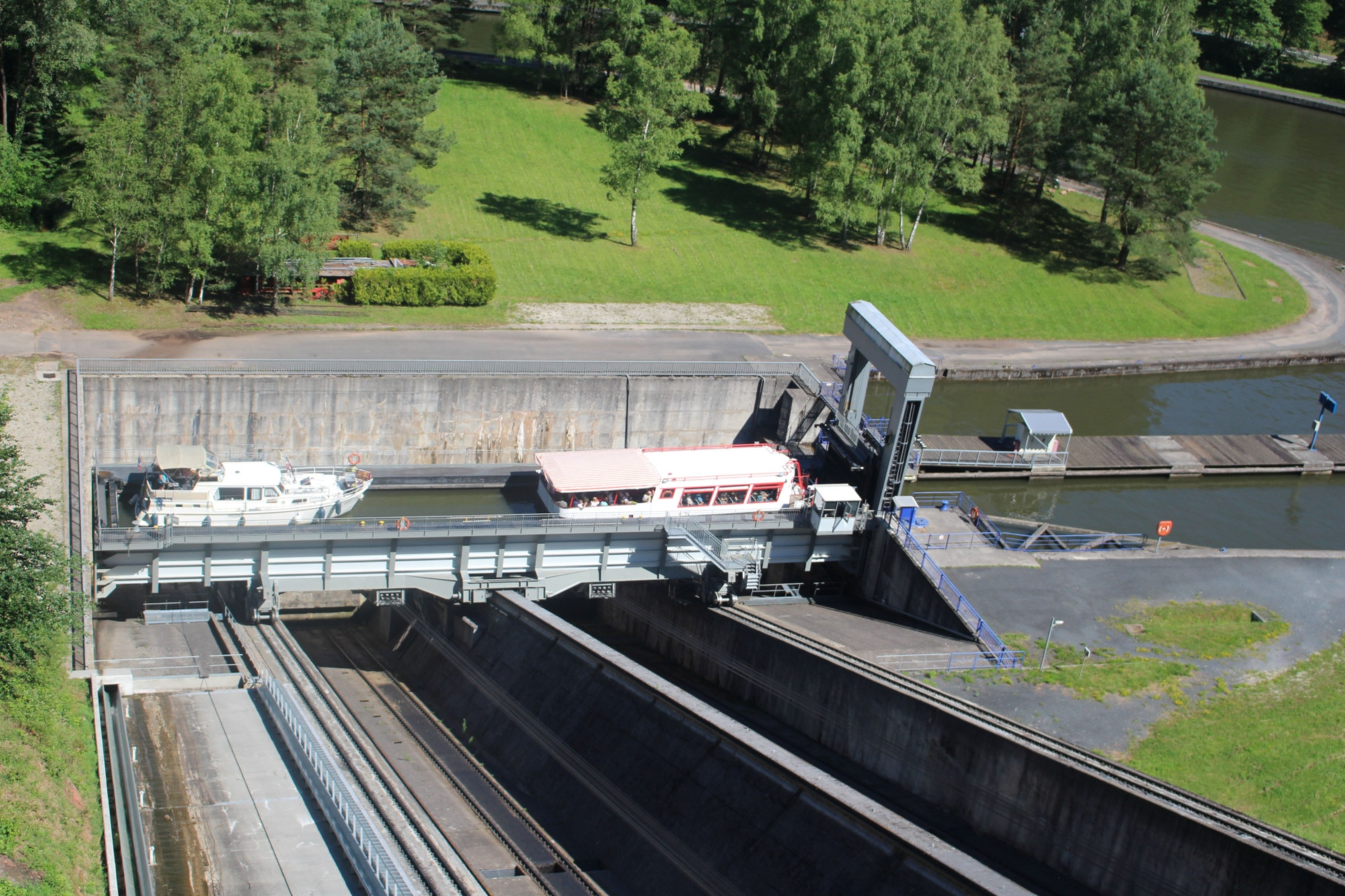
The programme offers engaging excursions to hydropower plants, pumping stations, river management sites and other relevant water resources sites in Germany and the neighbouring countries. These excursions also include opportunities to hike and sightsee in nearby cultural centres.

WAREM maintains close cooperation with a number of national and international companies and research institutes worldwide.

Course organisation

Water Resources Engineering and Management (WAREM) is a two-year Master of Science programme beginning in the winter semester of each year. The programme consists of three in-class semesters and a semester designated for research and thesis work.

The curriculum contains 120 ECTS, therefore 30 ECTS per semester. Students have to complete mandatory modules, mandatory key qualification subjects or German language courses up to level A 2.1 CEFR , selectable mandatory modules, and six elective modules. Students must obtain at least 72 ECTS before starting the Master's thesis (30 ECTS). Please see our Curriculum for more information: https://www.warem.uni-stuttgart.de/program/WAREM-Studienverlauf2025oct.pdf

The modules consist of lectures, tutorials and seminars, combined with practical work and excursions. Thus, students get a thorough overview and can easily find their field of interest and choose a specialisation.

A Diploma supplement will be issued
Yes
International elements
  • International guest lecturers
  • Language training provided
  • Training in intercultural skills
  • Courses are led with foreign partners
  • Projects with partners in Germany and abroad
  • International comparisons and thematic reference to the international context
Description of other international elements

Most of our students are from outside Germany and many come from outside Europe. Therefore, we are an international classroom. You will receive a buddy from our study programme, usually also from your country or area, before you start with us. Once you arrive here, you will meet your classmates and will take part in the German intensive course organised by our International Office (IZ). They also organise a lot of interesting sessions for international students. During your studies, you will follow your modules in English and will be in touch with German and international lecturers. For questions and advice, you can go to your intercultural Course Director. Usually, the Course Director organises an international excursion during your second semester. During your studies, you can try to find work at or outside the university and towards the end of your studies, you can try writing your thesis at a company (international or in Germany). Additionally, internships are possible in Germany or outside Germany, but no ECTS are awarded.

Integrated internships

No compulsory internship is integrated into the study programme. However, students can arrange an internship independently if they are interested in doing so. This activity is supported by the programme coordinators.

Course-specific, integrated German language courses
Yes
Course-specific, integrated English language courses
Yes
Tuition fees per semester
The following tuition fees apply for applicants from: non-EU countries
1,500 EUR
More information on tuition fees
Please find more details on this website.
Semester contribution

Approx. 200 EUR per semester

Costs of living

Living expenses amount to about 1,050 EUR per month. Non-EU students will have to demonstrate that they have sufficient finances to cover living expenses for 12 months. EU citizens may apply for state-guaranteed loans during the time of enrolment. 

For more information, see the links on our website.

Funding opportunities within the university
No
Academic admission requirements

The admission requirements are:

  • A qualifying Bachelor's degree in Engineering or Natural Sciences
  • A Bachelor's degree, preferably in a water-related subject, or
  • A degree of at least 180 ECTS points (from a university, a university of applied sciences, or a university of cooperative education with degrees equivalent to those of a university) with completed courses in Civil Engineering, Environmental Engineering or equivalent

Applicants from China, Mongolia, India and Vietnam must submit a certificate issued by the "Akademische Prüfstelle (APS)", which has been established at the German Embassy in cooperation with the German Academic Exchange Service (DAAD).

The following documents have to be uploaded:

  • Officially authenticated copy of school leaving certificate (high school certificate or equivalent)
  • Officially authenticated copy of the university transcript
  • Officially authenticated copy of university diploma
  • Grading system of the university
  • English proficiency examination
  • Personal statement
  • APS (China, Mongolia, Vietnam, India)
  • Optional: Reference letter(s)

The WAREM admission committee reviews each applicant's admission.

Decisions will ultimately be based on the students' grade point average (CGPA), their educational and professional background in water-related subjects, and the required English language skills. The application process is managed online.

German language skills
No minimum language level required
English language skills
B2 required, please provide an official language certificate, e.g.:
  • TOEFL iBT (before 2026): 79
  • Reading: 19
  • Listening: 19
  • Speaking: 19
  • Writing: 19
  • IELTS Academic: 6
Language requirements exemptions
Please find details on the course website.
Application periods
The following is valid for applicants from: all countries
For the winter semester:
15 November - 15 January
More information on application periods
Please find more details on this website.
Submit application via
Please check this website.
Possibility of finding part-time employment

Please be aware that it may be very challenging to finance your whole studies by working at the same time. Non-EU citizens are allowed by law to work for a maximum of 120 days per year. Only students who are employed by the university in one of the institutes or departments ("Studentische/Wissenschaftliche Hilfskräfte") are exempted from this regulation, but other restrictions may apply.

For more detailed information, please consult the following:
International Students: Financing Your Studies and Working During Your Studies

Accommodation

Both the campus in Stuttgart-Vaihingen and the campus in the centre of Stuttgart have on-site halls of residence. Dorm rooms (ranging from 320 EUR to 650 EUR per month) are furnished. Some are equipped with a sink, and all have access to a kitchen and sanitary facilities, telephone and Internet. From the campus in Stuttgart-Vaihingen, the city of Stuttgart can be reached by suburban railway within ten minutes.

Support for international students and doctoral candidates
  • Welcome event
  • Buddy programme
  • Tutors
  • Accompanying programme
  • Cultural and linguistic preparation
  • Pick-up service
  • Specialist counselling
  • Visa matters
  • Help with finding accommodation
  • Support with registration procedures
General services and support for international students and doctoral candidates

https://www.uni-stuttgart.de/en/university/international/service/

University of Stuttgart

Intelligent systems to benefit society

The University of Stuttgart is one of the leading technically oriented universities in Germany with global significance. It sees itself as a centre of university-based, non-university, and industrial research. Furthermore, it takes on a role as a guarantor of research-based teaching, focused on quality and holism. The university promotes the transfer of knowledge and technologies to society in all its areas of expertise and competence. The "Stuttgarter Weg" (Stuttgart Way) means an interdisciplinary integration of engineering, natural sciences, humanities, management, economics and social sciences based on the fundamentals of cutting-edge research at a disciplinary level. Our vision is “intelligent systems to benefit society”.

Excellent research and teaching

The University of Stuttgart implements innovative concepts in research and teaching in order to provide knowledge and strategies for a meaningful and sustainable development. It focuses on basic research that is both knowledge-oriented and application-related. To facilitate this research, the university is actively part of regional, national and international research networks.

The university is committed to the principle of unity between research and teaching. Students acquire knowledge, expertise and the power of judgement, in accordance with the guidelines of scientific research and awareness. The university fosters fascination for the sciences, supporting its students and junior researchers at all stages of their careers. It promotes independent thinking and provides an environment for responsible action. In doing so, it educates individuals into becoming exceptional experts who think in an integrative and global manner and act responsibly in the sciences, economics and society.

A powerful region

Founded in 1829, at the beginning of the Industrial Age, the University of Stuttgart continues to prepare the way for innovation within an economically and scientifically powerful region and contributes to the economic success and prosperity of our society. This process combines the requirements of a social and cultural change, which allows for an early and extensive input of social interests in research and design as well as teaching and further education.

Open-mindedness

The University of Stuttgart stands for open-mindedness, individuality and community spirit. It brings together students who are eager to learn, highly motivated employees, outstanding teachers, and excellent researchers, as well as visionary thinkers and inventors. By means of its culture of integration, the university creates and conveys knowledge for shaping the future of our society.

20,500 Total number of students (approx.)
4,900 Number of international students (approx.)

University location

The University of Stuttgart is nestled in one of Europe’s most vibrant industrial regions. This fosters many forms of interdisciplinary collaboration — for instance, in numerous Collaborative Research Centres (also known as CRC or sometimes CRC/TRR) and in application-oriented research assignments. The University of Stuttgart sets up a close relationship and a successful transfer of knowledge and technology between its research institutions and business enterprises in the region and beyond. This very practical orientation benefits research and teaching. At the same time, economic players profit from rapid access to new scientific knowledge and contact to experts in their specialised fields. There are numerous possibilities of collaboration for businesses. Furthermore, the university also maintains a close relationship with non-university research institutions such as the Max Planck Society, the Fraunhofer Society, the German Aerospace Centre, and the German Literature Archive Marbach. Thus, the optimal prerequisites for cutting-edge research at the highest level are all to be found in Stuttgart.

Activate map

To activate the map, click on the "Show map" button. We would like to point out that data will be transmitted to OpenStreetMap after activation. You can find out more in our privacy policy. You can revoke your consent to the transmission of data at any time.