International Programmes 2026/2027

Sensor Systems Technology (SSTM) Sensor Systems Technology (SSTM)

Karlsruhe University of Applied Sciences • Karlsruhe

Degree
Master of Science
Course location
Karlsruhe
Teaching language
  • English
Languages

100% English

Programme duration
4 semesters
Beginning
Summer semester
Application periods

There is one intake each year in March.
Application deadline is 15 January each year. 
Students who need to apply for a visa are strongly advised to apply before 15 November.

Combined Master's degree / PhD programme
No
Joint degree / double degree programme
Yes
Description/content

In many machines and in daily life, sensors play an increasingly important role. Sensorics is therefore seen as one of the fastest-developing branches of technology with a bright future.
Traditionally, sensors and actuators are applied in process and production technology, but there is also an increasing demand in automotive as well as in medicine and environment technology applications.
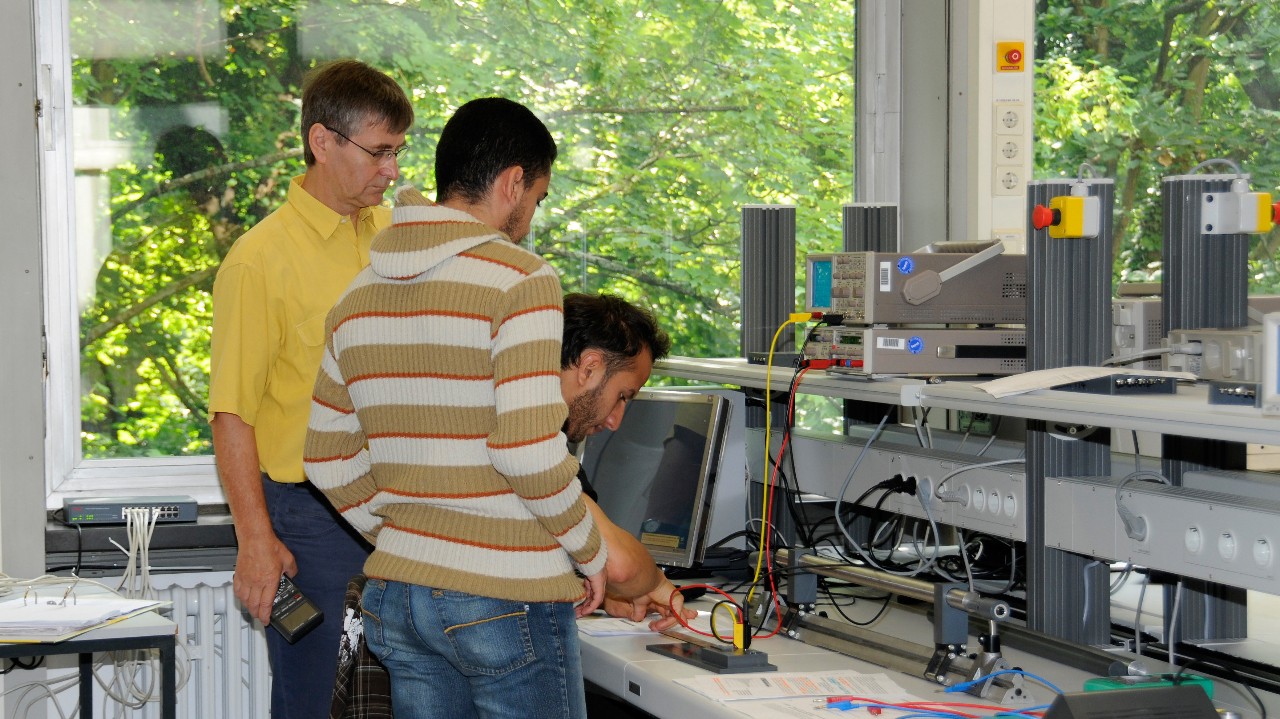
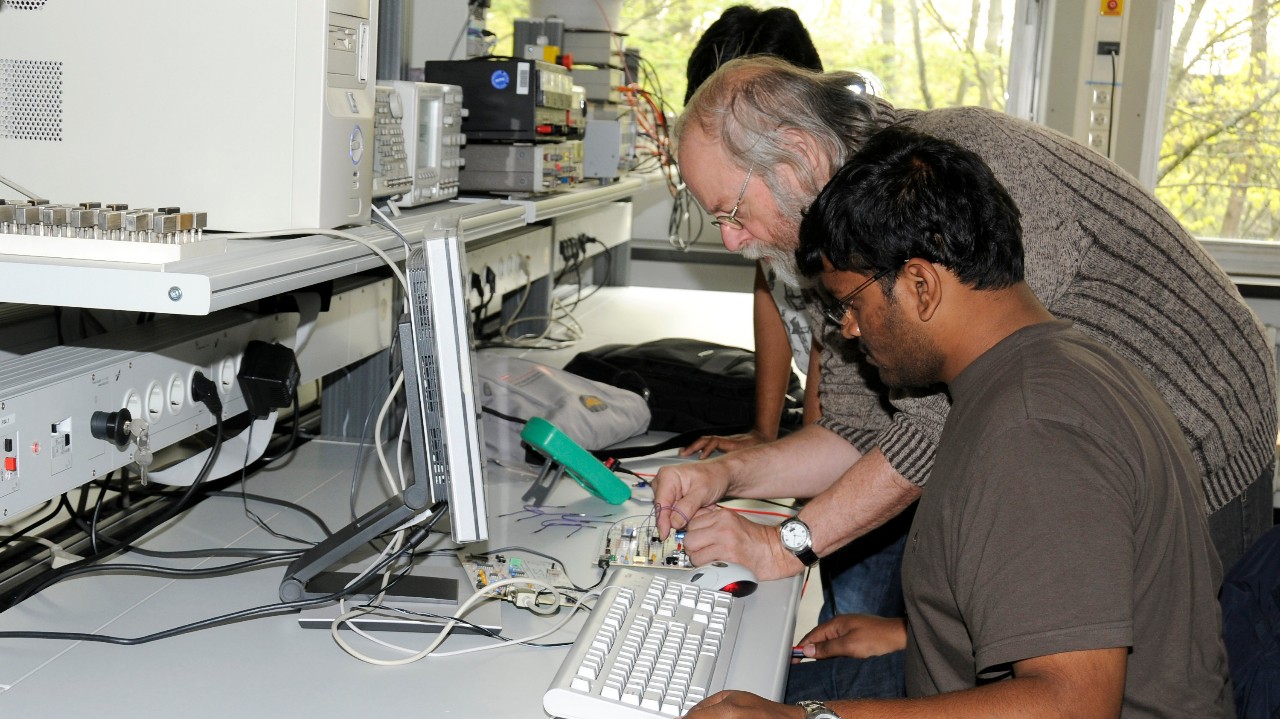
Since current and future sensor systems have to be smart, the programme has to cover a wide range of topics such as physical, optical and chemical sensors and their applications as well as control, bus systems, programming, micro controllers, pattern recognition and signal processing. Emphasis is placed on a theoretical natural sciences background as well as on technologies. German students are expected to complete their final thesis project in a foreign country, whereas foreign students do this in Karlsruhe. Therefore, students acquire skills in working in mixed international teams and are very well prepared for employment with a "global player".
Students may choose two focal subjects from the following: environmental sensorics, medical sensorics, microsystems and hybrid technology, and numerics/advanced programming.
This broad education enables companies to employ degree-holders in various fields and therefore enhances job opportunities. Statistics reveal that students are quick to find excellent jobs after completing this study programme.
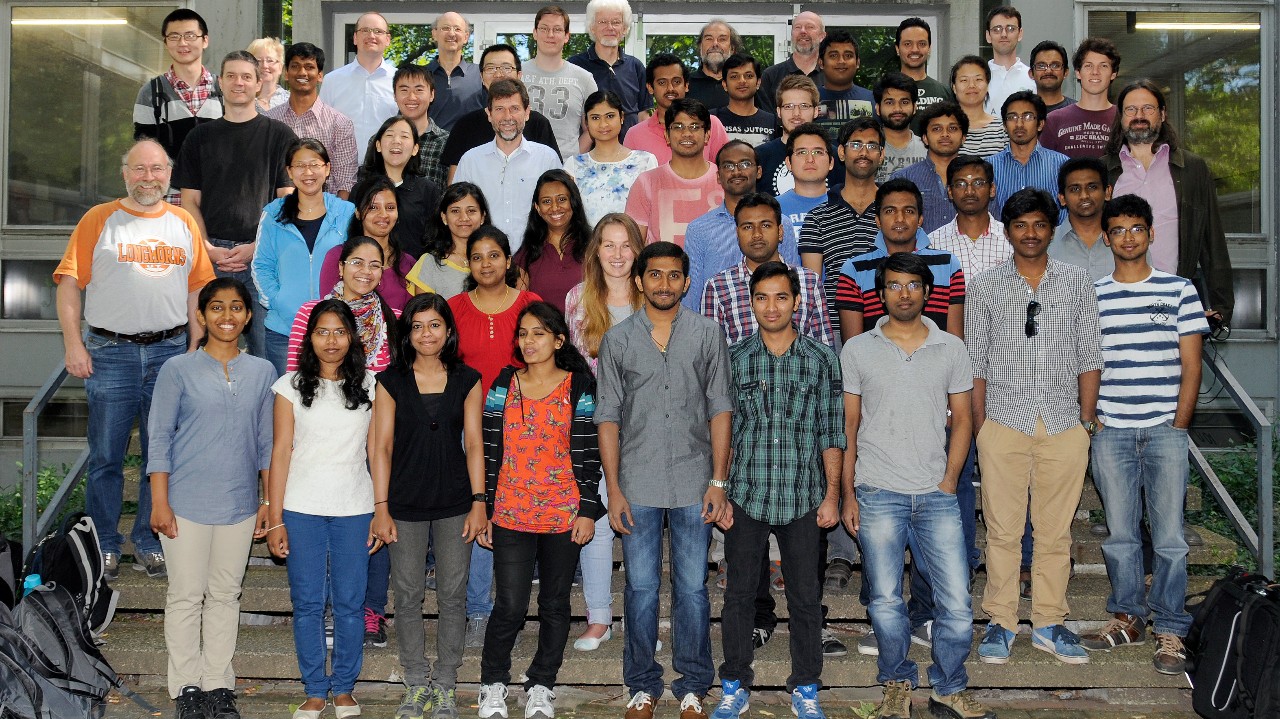
The small intake size of 25 students a year facilitates close contact between lecturers and students. A close relation and cooperation with local and global industry is also ensured.
Course content includes the complete range of sensor systems topics: advanced natural sciences for sensor development, electronics, signal processing, control systems, pattern recognition, communication and bus systems. In semesters two and three, modules are offered in which the students can focus on subjects such as medical sensorics, environmental sensorics, hybrid technology or advanced programming. Furthermore, projects must also be completed in semesters two and three. The non-technical modules are: German language and management.

Current information

In 2026, the programme celebrates its 27-year jubilee, since it was started in 1998. 

Course organisation

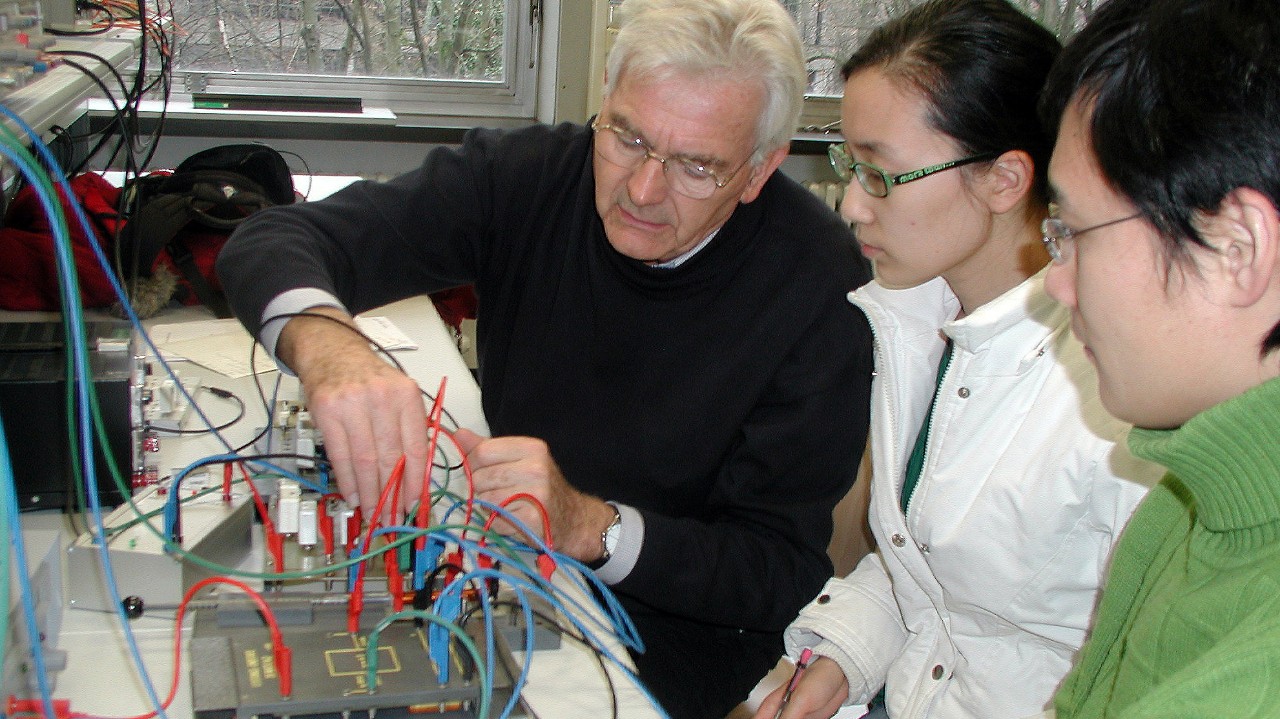
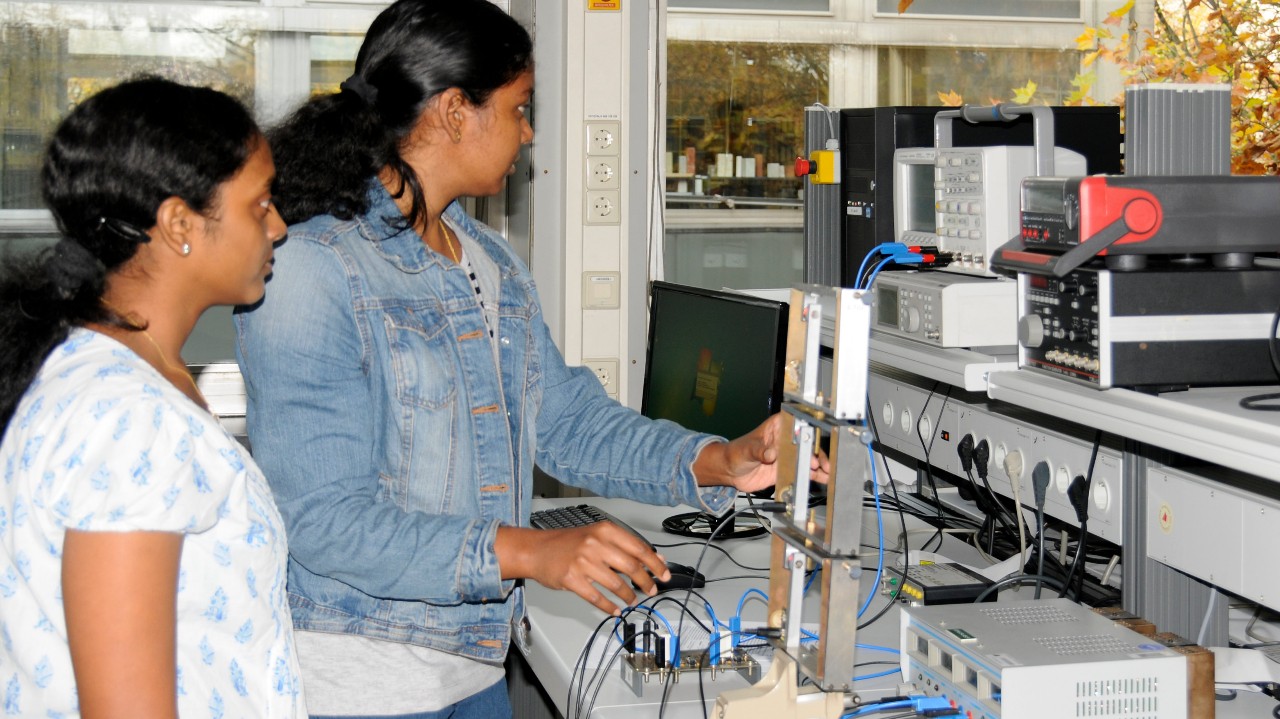
The programme has a duration of four semesters. The first semester offers an advanced basic training in natural sciences and signal processing as well as a development of practical skills. Semesters two and three comprise in-depth studies in theory and lab at the university. Additionally, there are two internal projects to be worked on. The last semester is reserved for work on the thesis project in a research project at the university or with one of the industry partners of the department.

A Diploma supplement will be issued
Yes
International elements
  • International guest lecturers
Description of other international elements

Double degree programmes are available.

Integrated internships

Internships are not part of the curriculum.

Course-specific, integrated German language courses
Yes
Course-specific, integrated English language courses
No
Tuition fees per semester
Varied
Semester contribution

All students pay semester fees (student services fee, registration fee, student union membership fee) amounting to approx. 215 EUR per semester.

Costs of living

The cost of living is approximately 900 EUR per month for general expenses, including rent, utilities, food, household items, transport, entertainment, clothing, insurance, books, the semester contribution (not included in the above-mentioned tuition fee for non-EU nationals), etc.

Funding opportunities within the university
No
Academic admission requirements

Bachelor's or equivalent degree in relevant fields

German language skills
No minimum language level required
English language skills
B2 required, please provide an official language certificate, e.g.:
  • IELTS Academic: 5.5
Application periods

There is one intake each year in March.
Application deadline is 15 January each year. 
Students who need to apply for a visa are strongly advised to apply before 15 November.

Submit application via
Please check this website.
Possibility of finding part-time employment

International students who come from outside the EU or the EEA are allowed to work outside of the university for 120 full or 240 half days per year. Therefore, students may work full-time during the lecture-free period or part-time during the semester. As the Karlsruhe region has a very low unemployment rate, chances of finding student jobs are generally quite good.

Accommodation

Students can apply for student housing through student services ("Studierendenwerk") at https://www.sw-ka.de/en/wohnen/. However, there is usually a waiting list for dormitory accommodation.

The "Studierendenwerk" website also provides information about its extensive private accommodation service.

Career advisory services and programmes for future professionals

Career advisory service available

Support for international students and doctoral candidates
  • Welcome event
  • Buddy programme
General services and support for international students and doctoral candidates

The Central Student Advisory Service serves as a contact for international students. It helps with questions about 

  • planning and organising your studies,
  • finances,
  • change of degree and/or university, or
  • general problems with your studies.

https://www.h-ka.de/en/study/guidance-counseling/international-students

Karlsruhe University of Applied Sciences

Content Bild
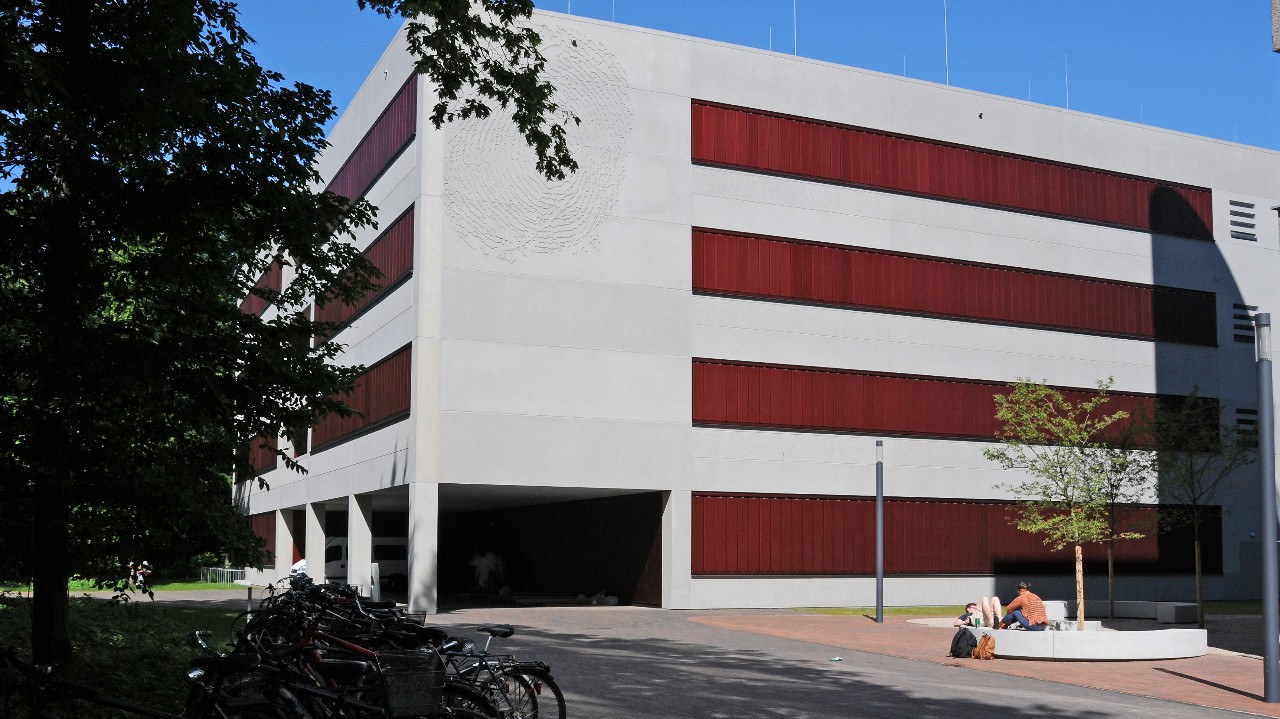
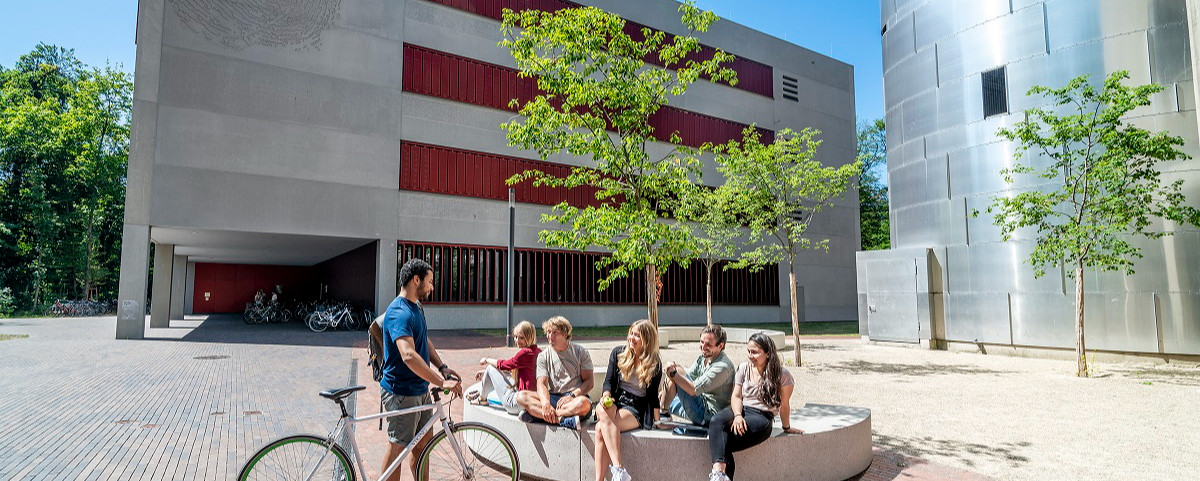
Our green campus © Hochschule Karlsruhe – University of Applied Sciences

Karlsruhe University of Applied Sciences (HKA) is all about technology and business. The university offers degree programmes in engineering and IT as well as business management and media. There are six faculties:

  • Architecture and Construction Engineering
  • Computer Science and Business Information Systems
  • Electrical Engineering and Information Technology
  • Information Management and Media
  • Management Science and Engineering
  • Mechanical Engineering and Mechatronics

Small classes and an excellent student-teacher ratio ensure that individual students are well taken care of.

Applied Teaching and Learning

The majority of German engineers have graduated from universities of applied sciences such as HKA, where teaching and learning are geared towards practical application.

Important elements of this are as follows:

  • mandatory experience in business and industry of all professors
  • seminars accompanied by lab classes
  • mandatory internship semesters and thesis work in industry
  • hands-on project work from day one

Applied Research

At HKA, teaching is complemented by research, which equally focuses on its practical application. Close links to industry ensure the university’s high quality standards and ensure that its graduates are well prepared for the labour market, both nationally and globally. This is borne out by numerous university rankings, which rank HKA among the top of German universities of applied sciences.

25 Number of students per year
28 Number of years the programme has existed

University location

The Campus

The university’s main campus is located in the centre of Karlsruhe, on the southern edge of the spacious Hardt forest. It is a green campus that is equally suited for studying and recreation. The city of Karlsruhe, with a population of 310,000, including a combined student population of well over 45,000, is the centre of one of Germany’s prime technology regions.

Activate map

To activate the map, click on the "Show map" button. We would like to point out that data will be transmitted to OpenStreetMap after activation. You can find out more in our privacy policy. You can revoke your consent to the transmission of data at any time.