International Programmes 2026/2027

Chemical and Energy Engineering Chemical and Energy Engineering

Otto von Guericke University Magdeburg • Magdeburg

Degree
Master of Science
Course location
Magdeburg
Teaching language
  • English
Languages

The complete Master's programme can be done in English. Students are free to choose elective courses held in German.

Language courses (for example: all levels of German) are offered by the university and can be taken during the Master's studies.

Full-time / part-time
  • full-time
Programme duration
4 semesters
Beginning
Winter and summer semester
Application periods

Winter semester 

  •   15 April to 15 July (international Bachelor's degree) 
  •   15 April to 15 September (German Bachelor's degree)

Summer semester 

  •   15 October to 15 January (international Bachelor's degree)   
  •   15 October to 15 March (German Bachelor's degree)
Combined Master's degree / PhD programme
No
Joint degree / double degree programme
No
Description/content

In most industrialised countries, process technology has an important place in the economy. For example, it occupies approx. a 50% share in German industrial production. Energy engineers work not only in traditional industries but also increasingly in growth areas such as biotechnology, medical technology, and microelectronics. They use physical, chemical, and biological processes in order to convert the composition of a diverse range of materials.

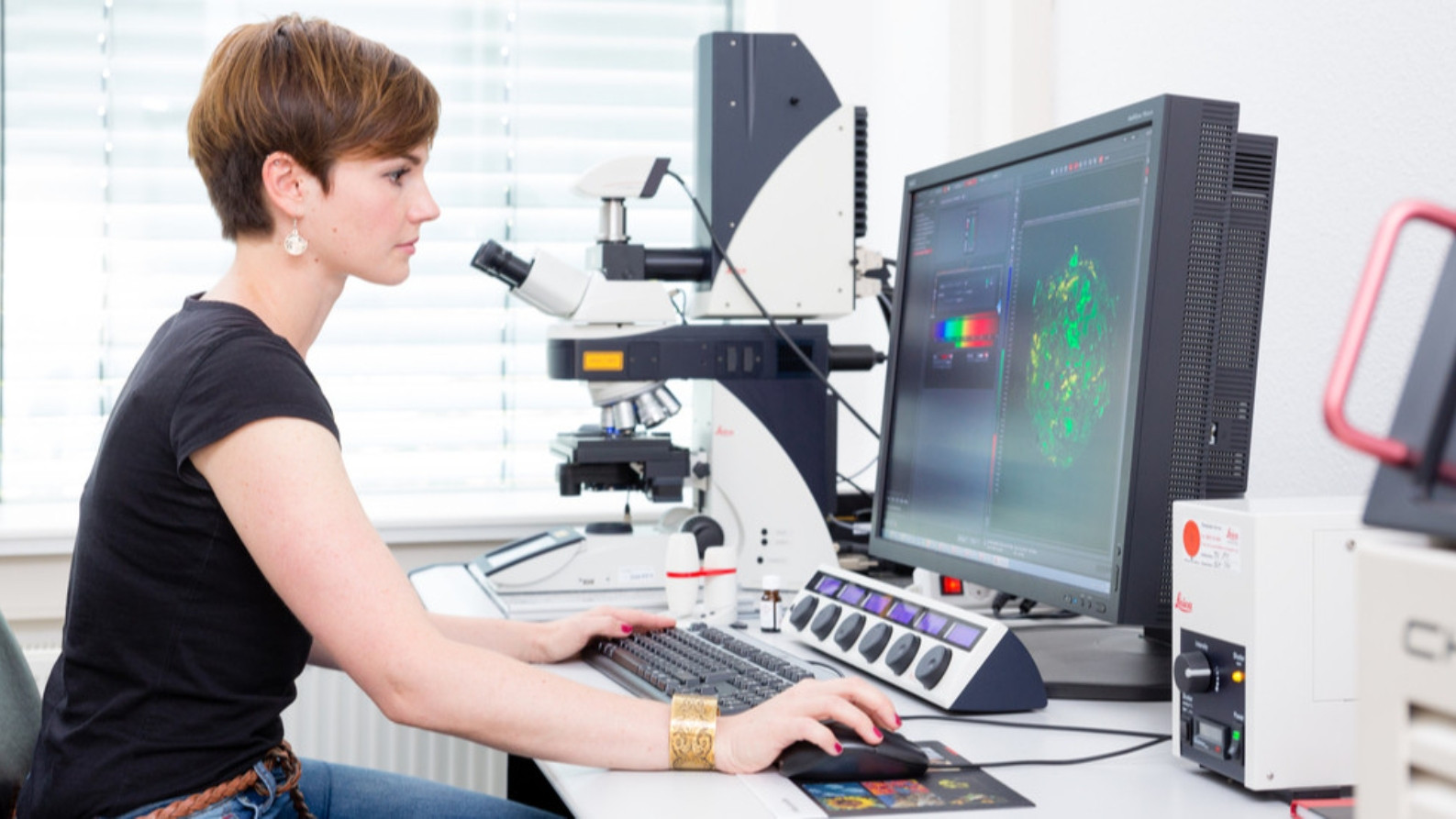
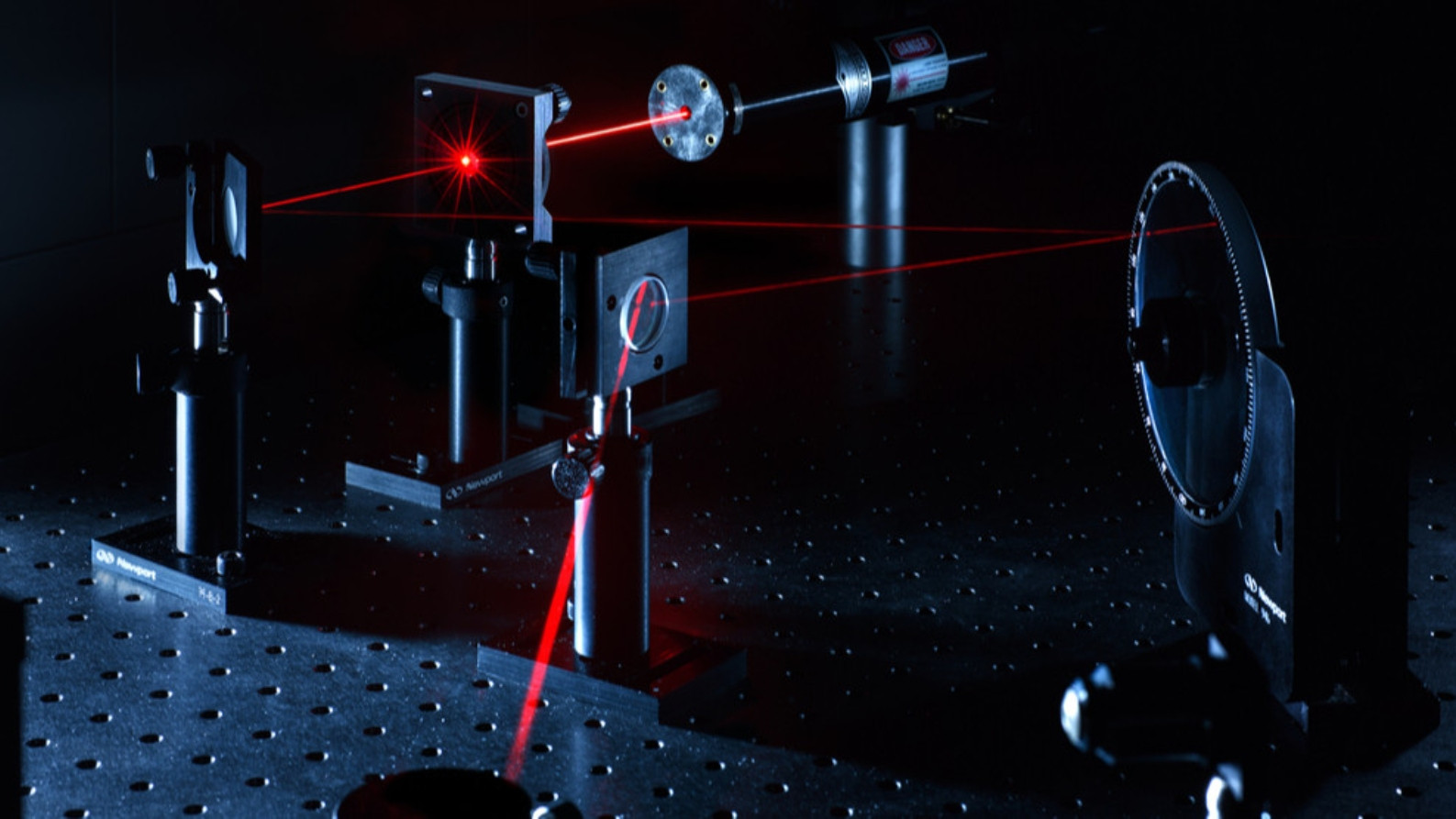
Because the study programme is entirely in English, young people from different cultural backgrounds enrol and contribute to an interesting and varied student life. All 22 professors of the faculty are involved in the programme of study. They can access resources that include modern technical equipment, in particular high-quality optical (laser) measuring instruments and very efficient computer technology. Due to many partnerships with industry partners, the Master's programme is application-oriented.

Course organisation

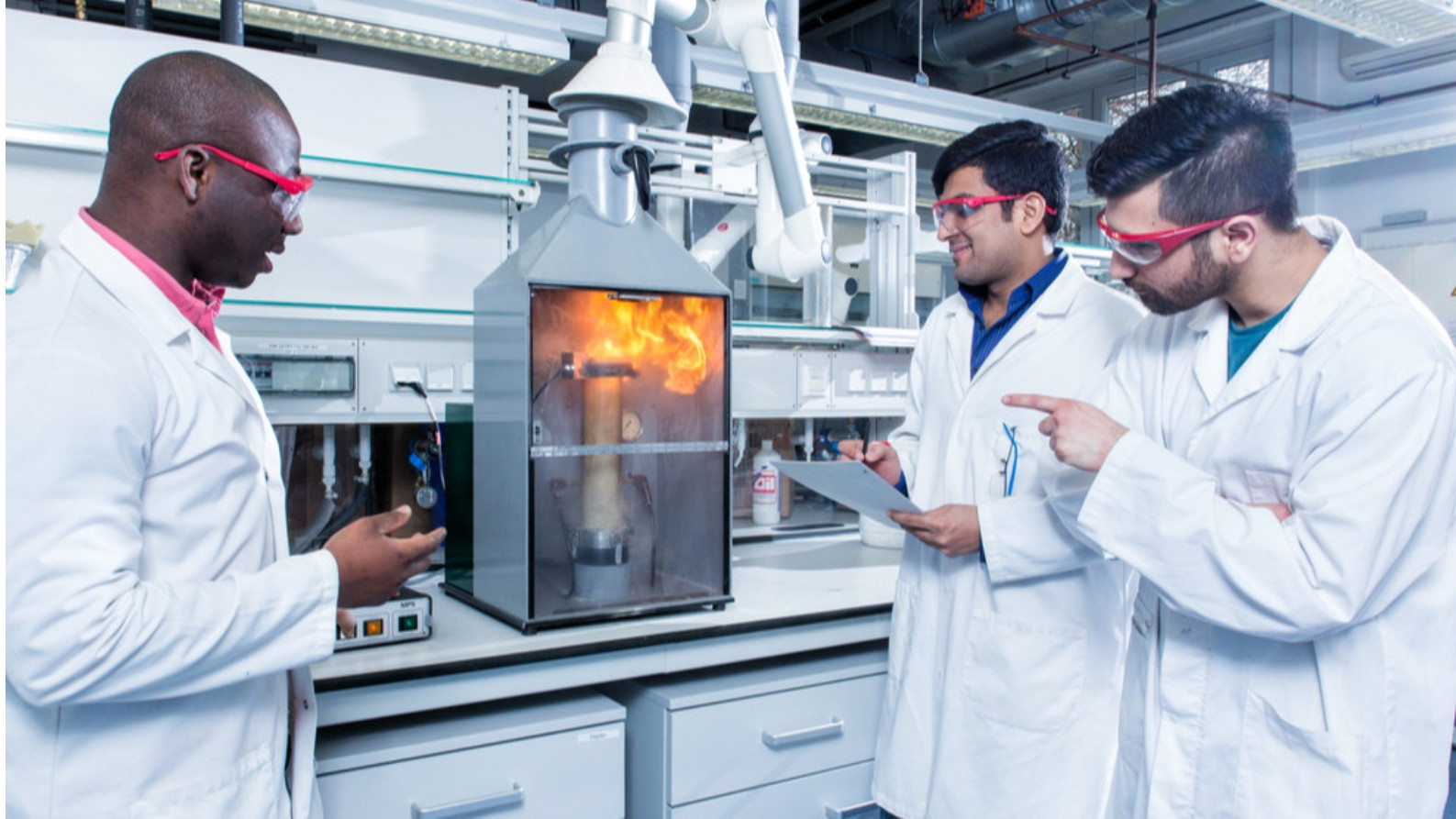
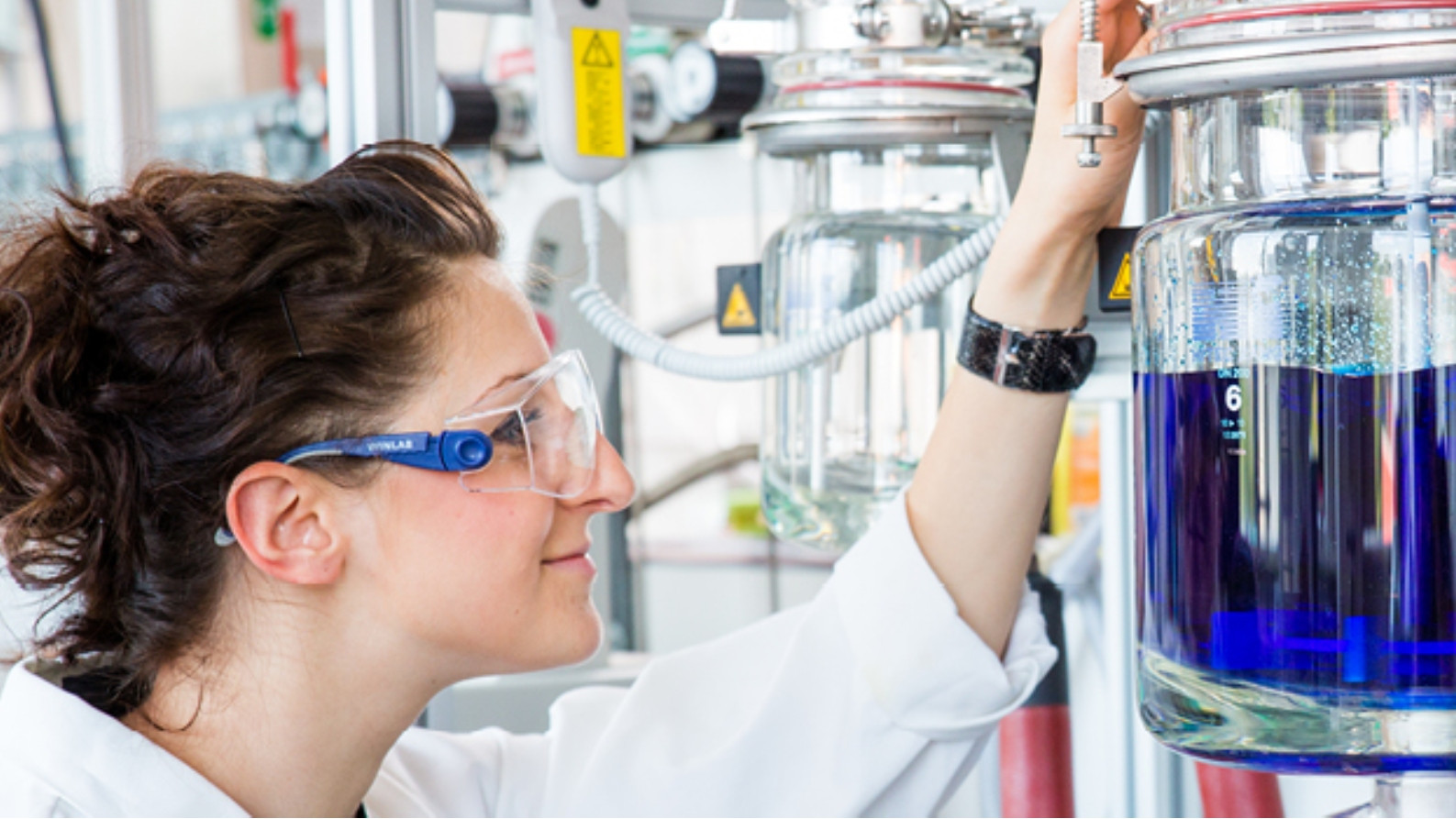
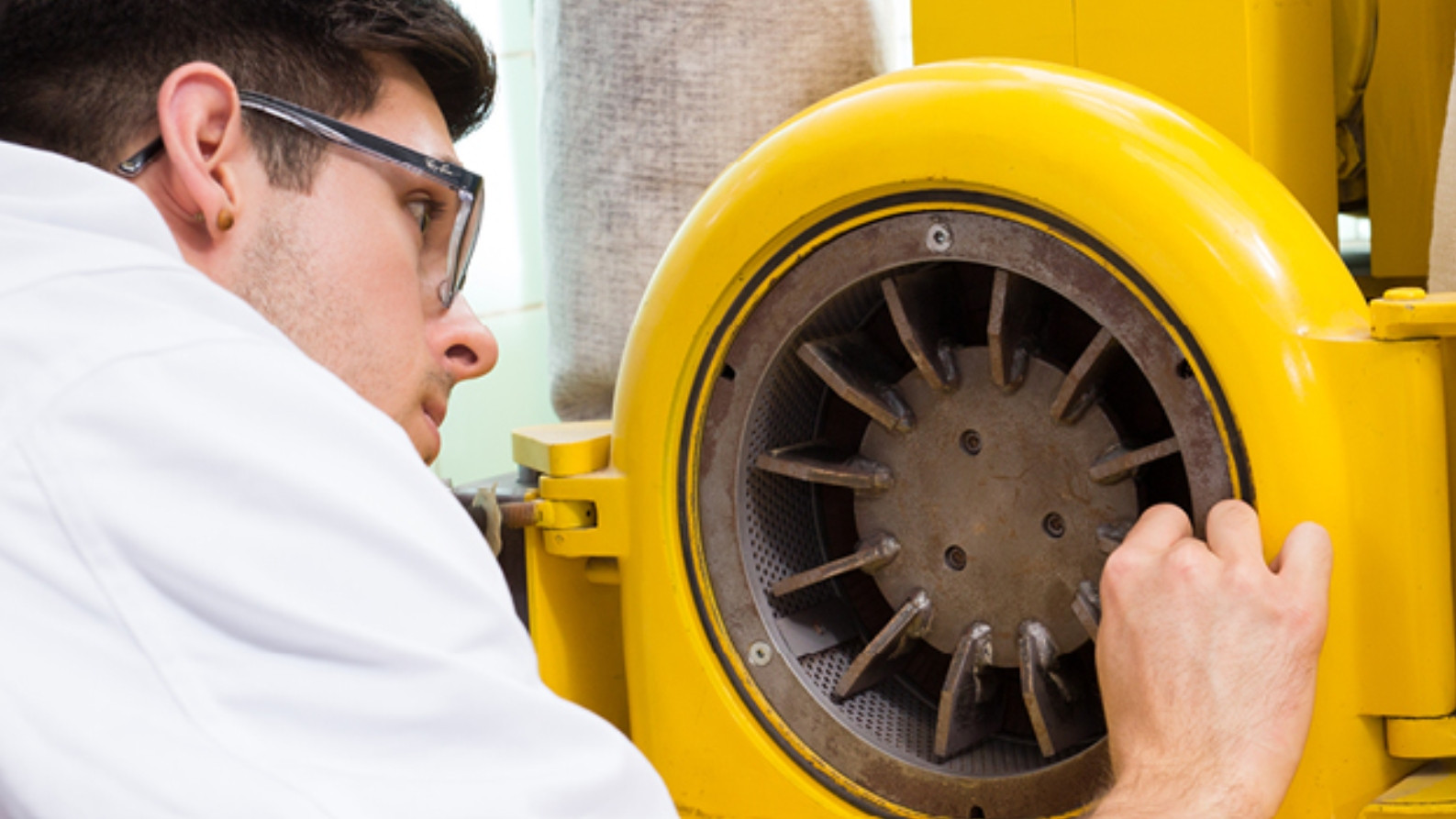
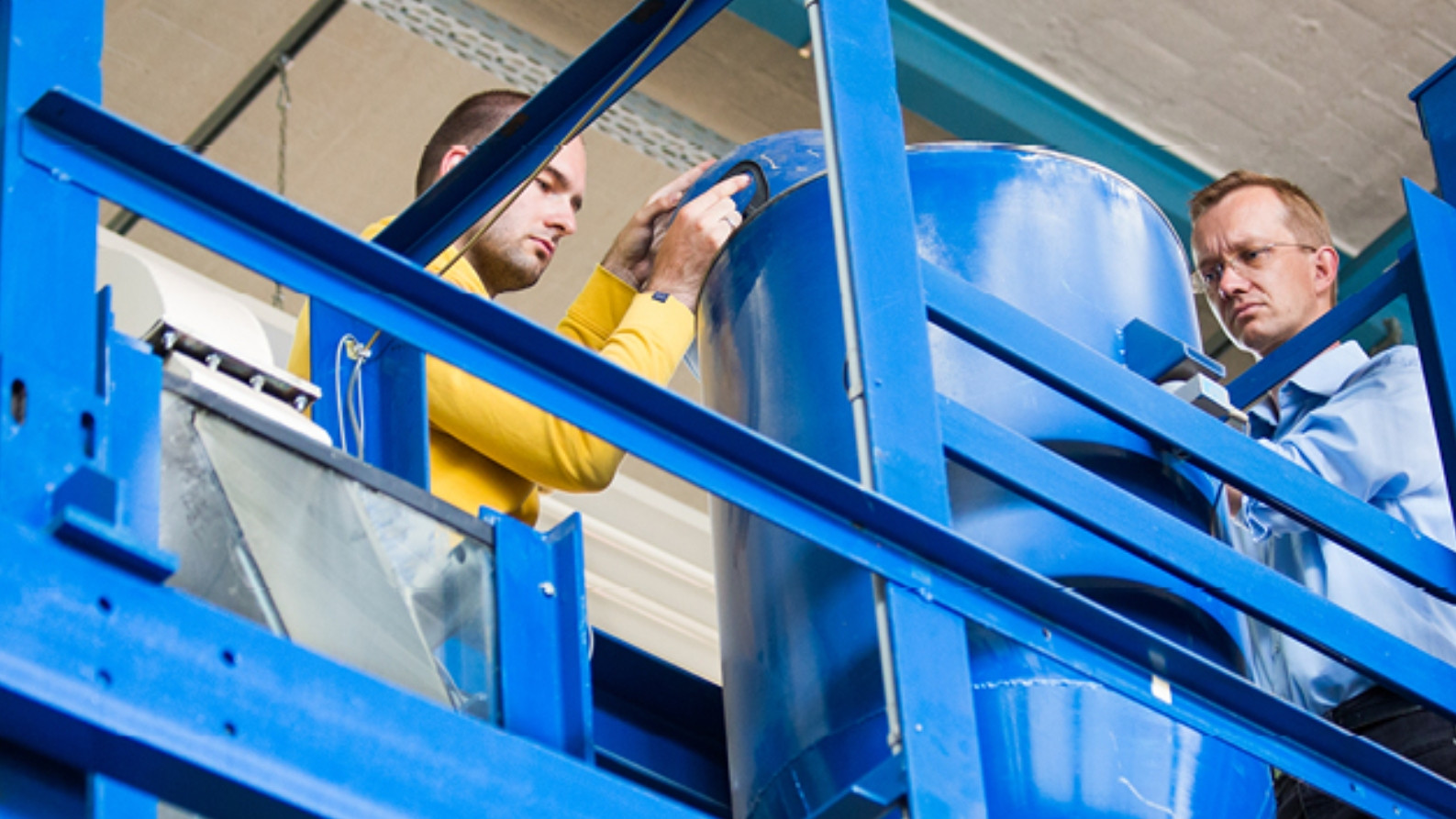
We start the programme with some fundamental lectures on topics such as fluid dynamics, thermodynamics, heat and mass transfer, chemistry, mechanical, thermal and chemical process engineering. This will help students from different countries and various academic backgrounds to reach the same scientific level. Afterwards, we continue with lectures on the application of chemical engineering. At this point, the students can arrange their own modules with lectures and tutorials within the offered courses depending on individual interest. The students get the chance to participate in ten practical laboratory projects (such as estimation of kinetic rate constants, laser droplet velocimetry, determination of heat transfer coefficients). There are excursions to industrial companies offered to get an insight into where the slogan "Made in Germany" comes from. The fourth and final semester is reserved for the Master's thesis as the culmination of the programme.

PDF Download
A Diploma supplement will be issued
Yes
International elements
  • International guest lecturers
  • Specialist literature in other languages
  • Language training provided
  • Projects with partners in Germany and abroad
  • Content-related regional focus
Integrated internships

An internship is possible as an elective subject. An internship with a minimum duration of two months will be awarded 10 credit points.

Course-specific, integrated German language courses
No
Course-specific, integrated English language courses
No
Tuition fees per semester
None
Semester contribution

Currently, the semester fee is 311.30 EUR. It covers services offered by the "Studentenwerk" (student union) and the student representatives. Enrolled students receive the "Deutschlandsemesterticket" for free use of public transport throughout Germany, along with student discounts in the campus cafeteria and more.

Costs of living

A minimum of 992 EUR per month must be budgeted for accommodation, cost of living, health insurance, books, and miscellaneous expenses. In comparison with many other towns and cities, the rental prices in Magdeburg are still relatively low. There are no tuition fees for the majority of programmes, and the semester fee already includes the cost of bus and tram travel within Magdeburg. The following link provides a fair picture of the cost of living in Magdeburg: Finance.

Funding opportunities within the university
Yes
Description of the above-mentioned funding opportunities within the university

The university provides a limited number of excellence scholarships. Eligible candidates are students in advanced semesters who clearly show above-average results. Scholarships cannot be provided for new students. 

Additionally, you may check the following overview:
Scholarships and funding opportunities for international students.

Academic admission requirements

1. A Bachelor's degree in chemical or process engineering or another closely related field; your Bachelor's programme is considered closely related if it contained:

  • thermodynamics (grade "good" or better)
  • fluid mechanics (grade "good" or better)
  • heat and mass transfer (grade "good" or better)
  • mathematics
  • chemistry
  • technical drawing

2. Applicants are required to have a minimum Bachelor's grade of "good" according to the German scale. This is GPA = 2.30 or better (lower value) or ECTS = B (calculate your GPA). The admission depends on the number of competing applicants.

3. Adequate knowledge of English (see below)
Only native speakers from the United Kingdom, Ireland, Canada, Australia, New Zealand and the USA are exempted from the language requirements. Applicants from other countries must provide official test results, even if English is an official language in their country.

German language skills
No minimum language level required
English language skills
B2 required, please provide an official language certificate, e.g.:
  • Cambridge English Qualifications: B2 First
  • IELTS Academic: 6
Language requirements exemptions
Please find details on the course website.
Application periods

Winter semester 

  •   15 April to 15 July (international Bachelor's degree) 
  •   15 April to 15 September (German Bachelor's degree)

Summer semester 

  •   15 October to 15 January (international Bachelor's degree)   
  •   15 October to 15 March (German Bachelor's degree)
Submit application via
Please apply via uni-assist.
Possibility of finding part-time employment

It is possible to find a part-time job as a research or student assistant at one of the faculties or in the university administration (maximum: 80 hours per month). Other opportunities are student jobs at different companies, restaurants, and shops. Information on how to find a job can be found on our website: Career Service.

Accommodation

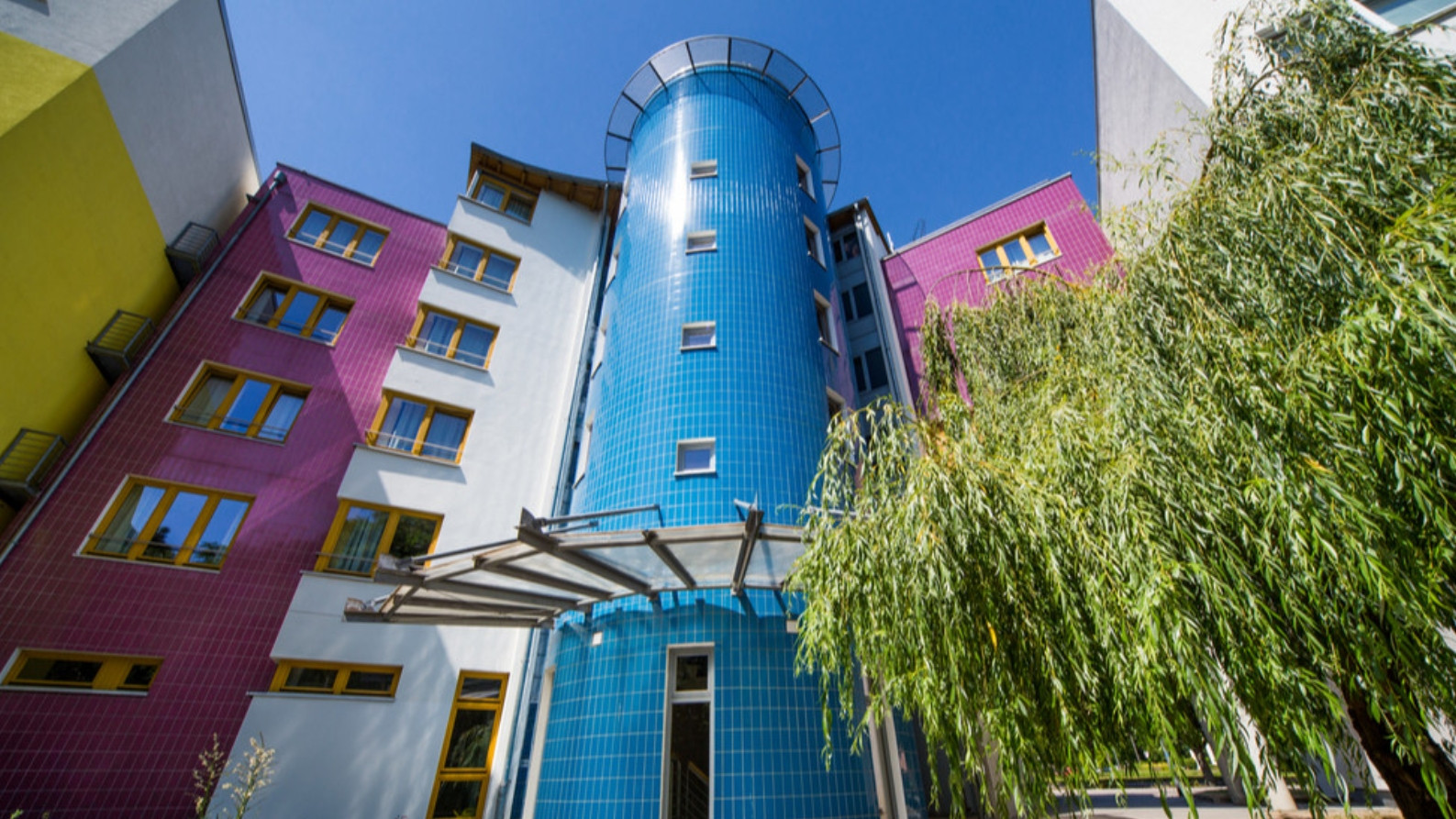
The "Studentenwerk" (student union) in Magdeburg manages the on-campus halls of residence (mostly one- to four-room apartments). Currently, the monthly rent ranges from 200 EUR to 500 EUR per room (approx. 12 to 35 square meters), depending on the size and furnishing. Rooms in the halls of residence are limited in number. The accommodation application can be found on the website of the Studentenwerk.
The Studentenwerk assists all new students in finding adequate accommodation, either on or off campus. Private accommodation is available on the Magdeburg accommodation market. However, fully furnished units are in somewhat short supply.

Support for international students and doctoral candidates
  • Welcome event
  • Buddy programme
  • Tutors
  • Specialist counselling
  • Visa matters
  • Cultural and linguistic preparation
  • Pick-up service

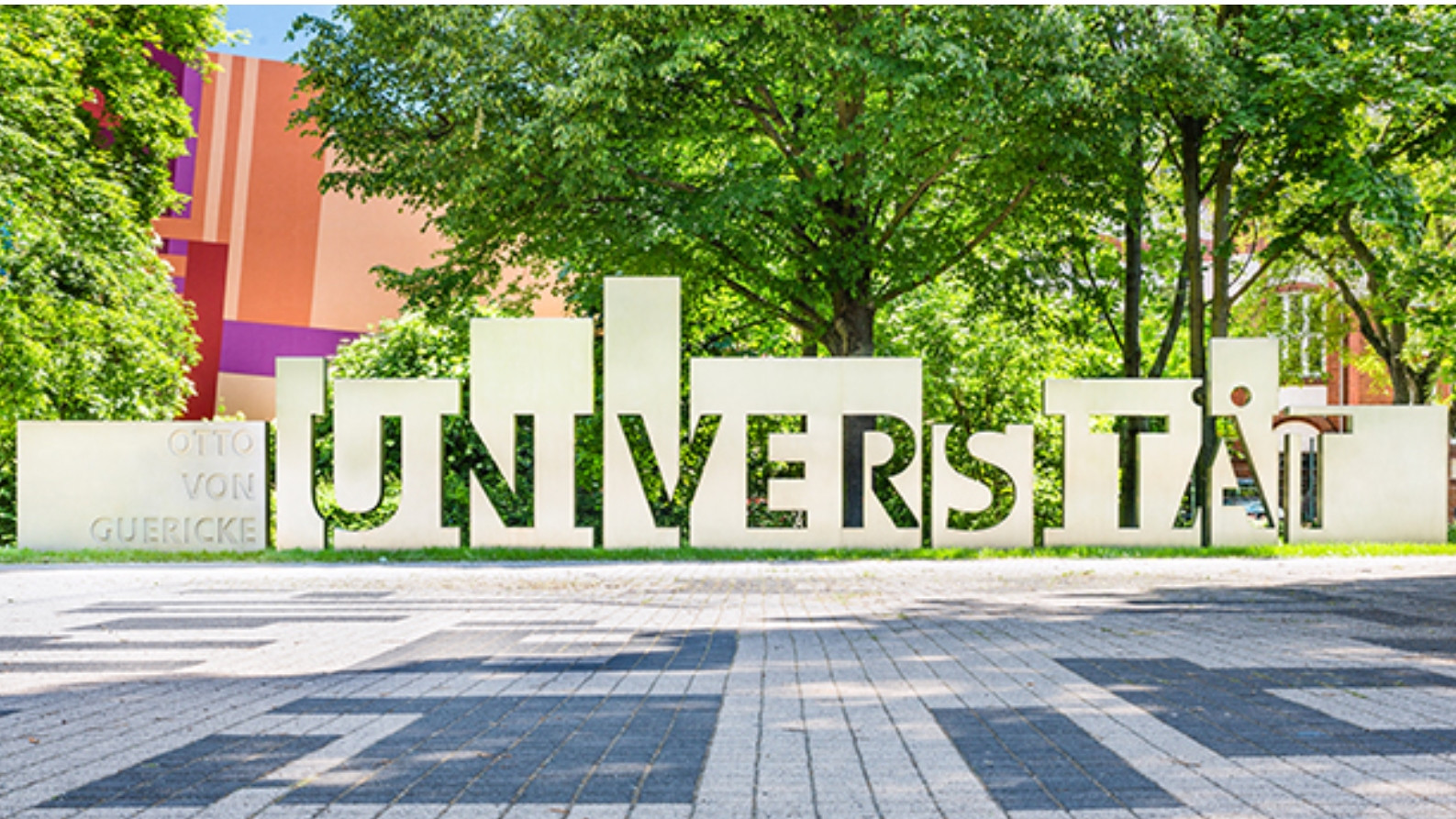
Otto von Guericke University Magdeburg

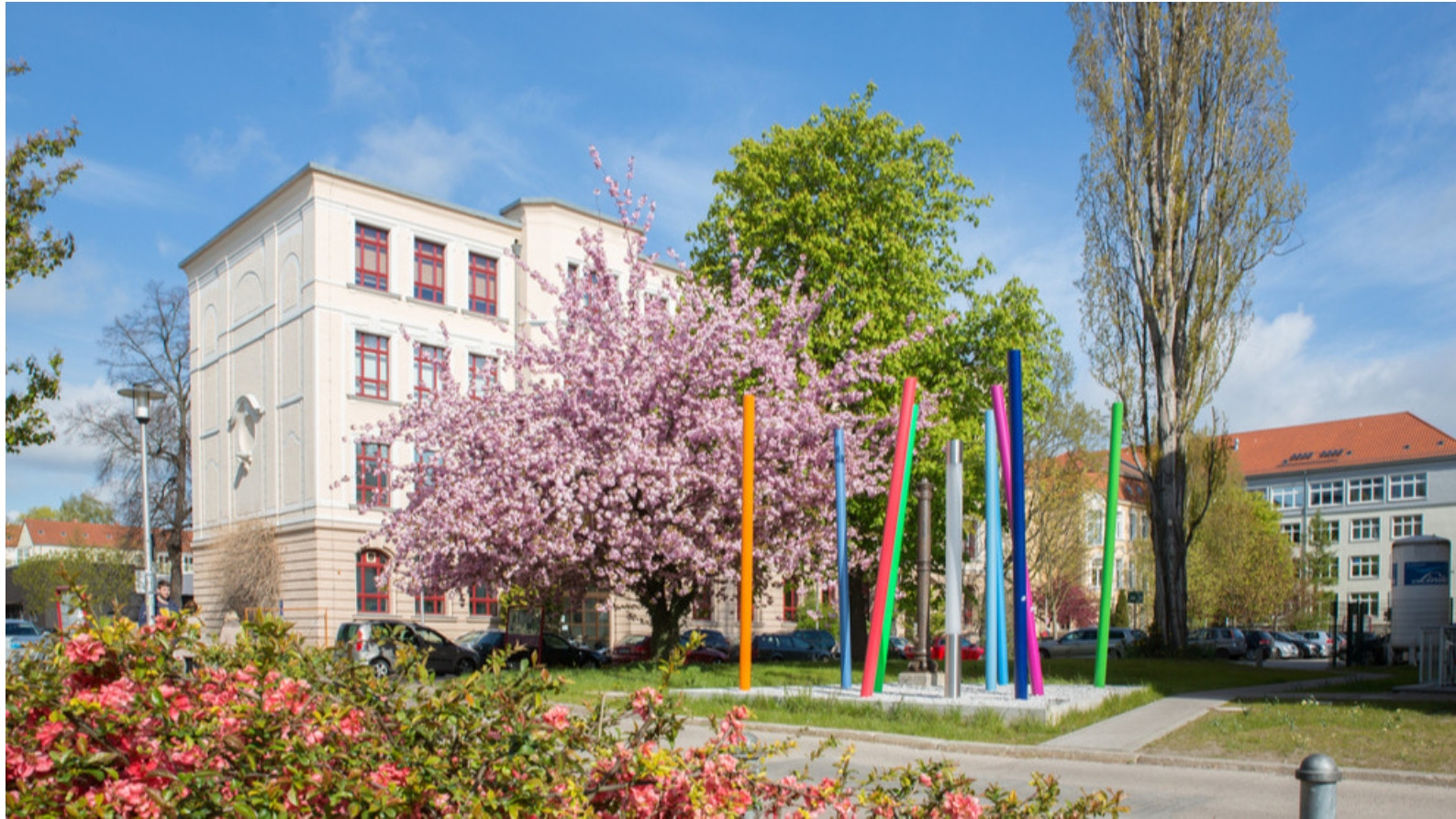
Otto von Guericke University Magdeburg (OVGU) was founded in 1993 and is one of Germany's youngest universities. It was formed by a merger of the existing technical university, the teacher training college, and the medical school. The university now comprises nine faculties and about 12,600 students and is becoming increasingly more important as a centre for education and research. It plays an important role in the regional capital of Magdeburg, which is developing into a centre for business, scholarship, and culture. The university is a member of many organisations and committees. It is named after Otto von Guericke (1602 to 1686), Magdeburg's famous citizen, whose pioneering research into the vacuum brought him renown well beyond Germany's borders. The university aspires to teach and research in the tradition of this great scientist, philosopher, and engineer and to continue with his humanist work.

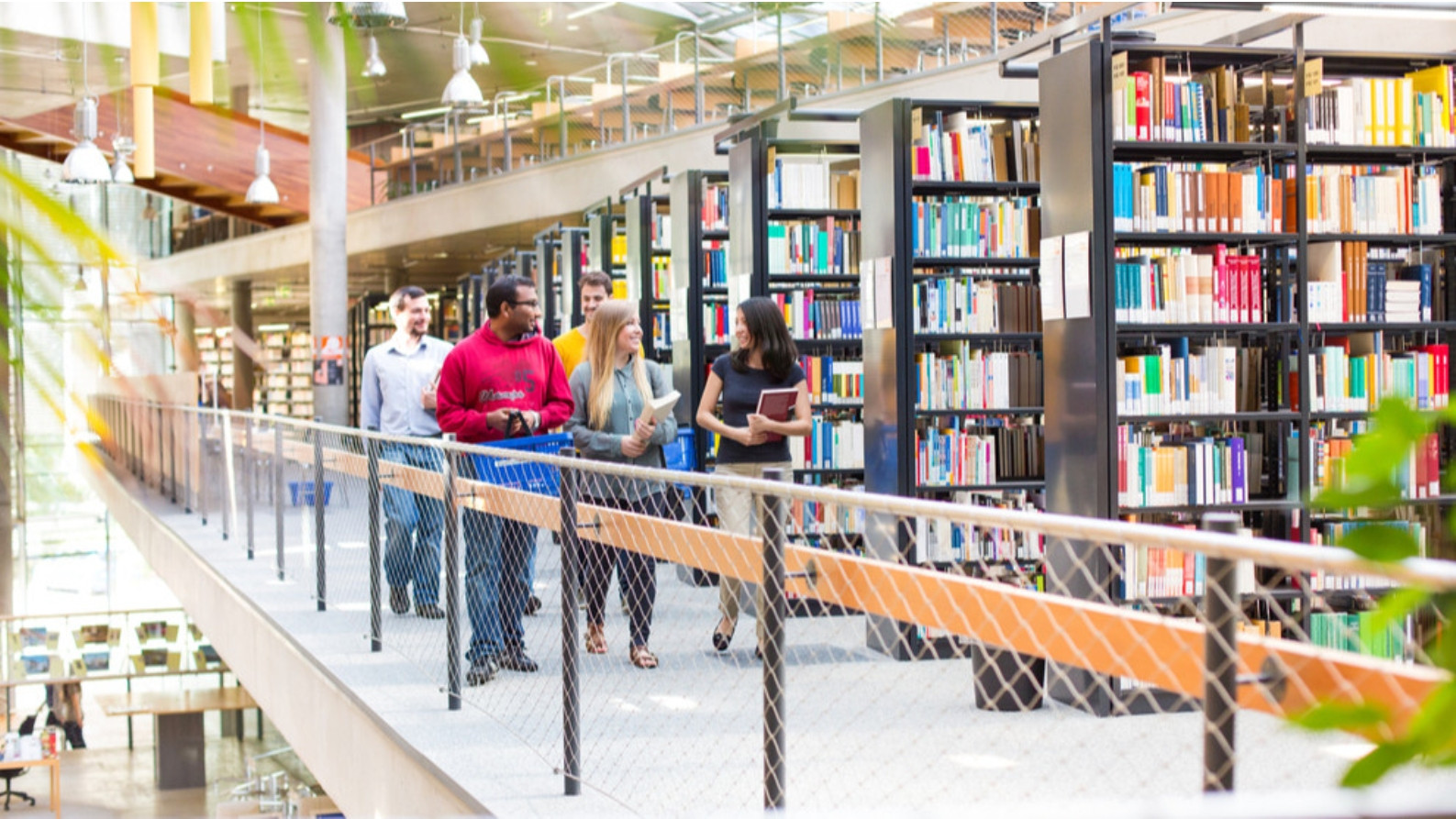
At the Otto von Guericke University Magdeburg, students can choose from more than 100 study programmes in various areas of study and specialisation. There are also many possibilities to combine different subjects across faculties. To open up to qualified students from all over the world, the Otto von Guericke University is vastly expanding its offers of programmes taught in English. The conditions for students are ideal, with modern laboratories, experimental workshops, and clinics equipped with high-performance computers and an excellent staff-student ratio. The offer of a sound, thorough education, combining a high level of theoretical expertise with practical experience, makes Magdeburg an attractive choice.

In recent years, research at the university has gone through a decisive change, from applied research to innovative, fundamental research. Among the many areas represented, the neurosciences, immunology, non-linear systems, new materials, processes and products, computational visualistics, social transformation, communication, and culture deserve a special mention. The university hopes to make a significant contribution to economic and social development in Magdeburg and the surrounding area through its research. Equally, disciplines such as humanities, economics, and management, which have been established more recently at the university, have already made their mark on our research profile. Special emphasis is placed on close cooperation between teaching staff and students.

The Otto von Guericke University is a proud member of the European University Alliance EU GREEN, which is aiming to be your gateway to sustainability. Together, we aim to be a broad European hub for education, research and innovation in sustainability that goes beyond the consortium borders and acts globally to provide solutions to local or regional challenges, which can be replicated at a global level.

Magdeburg also attracts students because it offers accommodation with either a single bed or twin beds in its halls of residence.

Take a virtual trip through our international campus!

5,315 Number of international students at OVGU
117 Number of nationalities at OVGU

University location

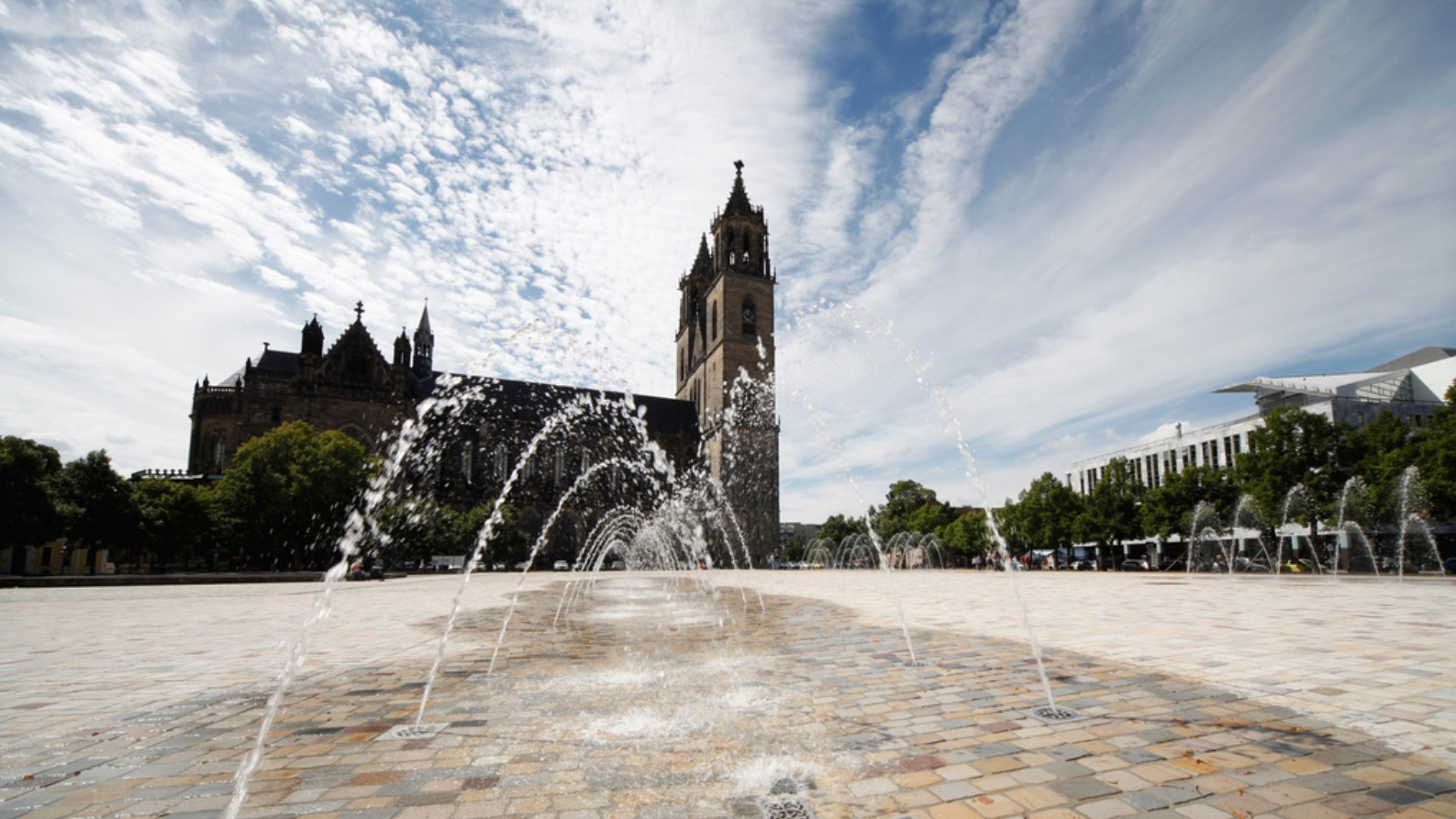
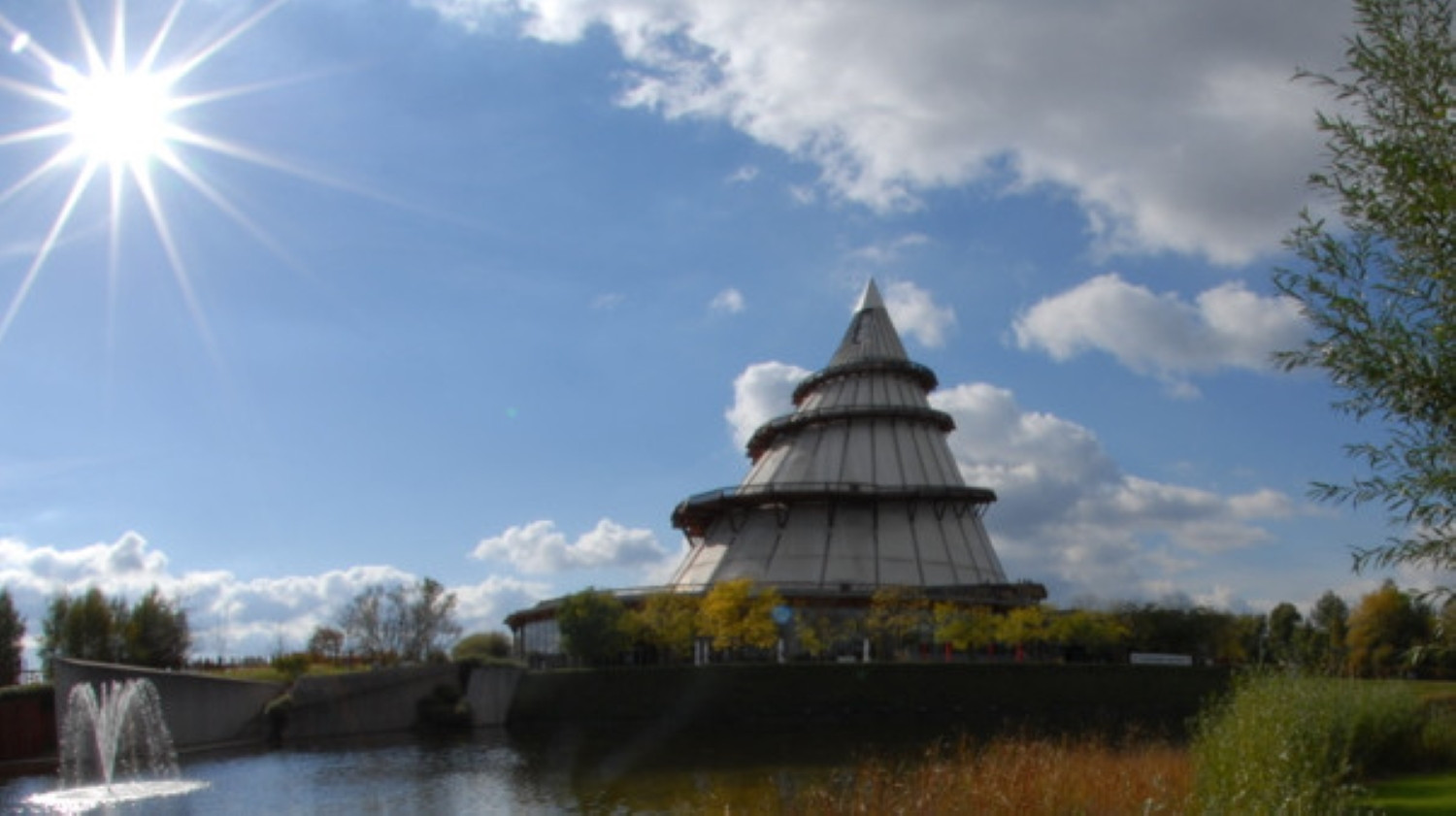
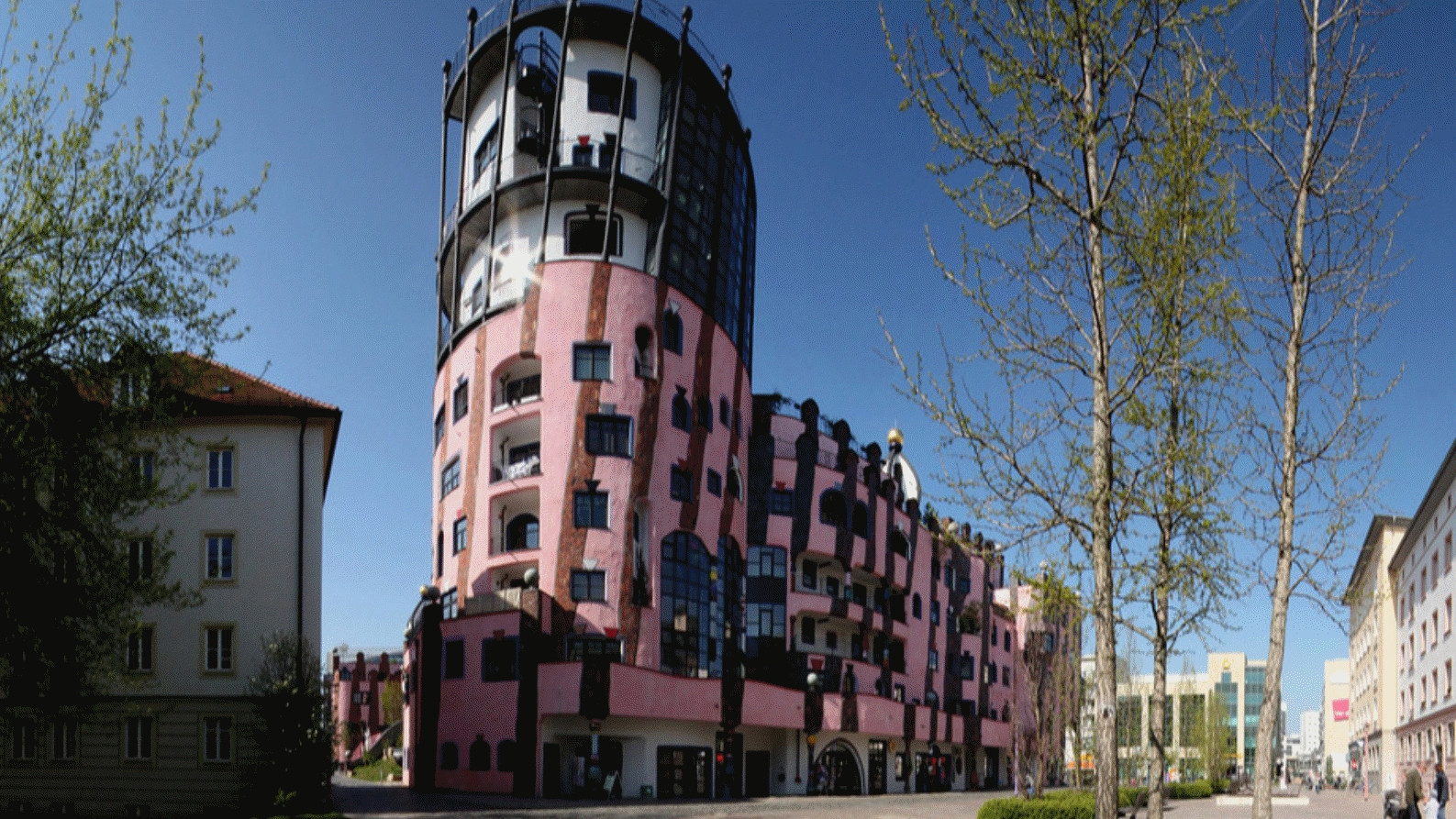
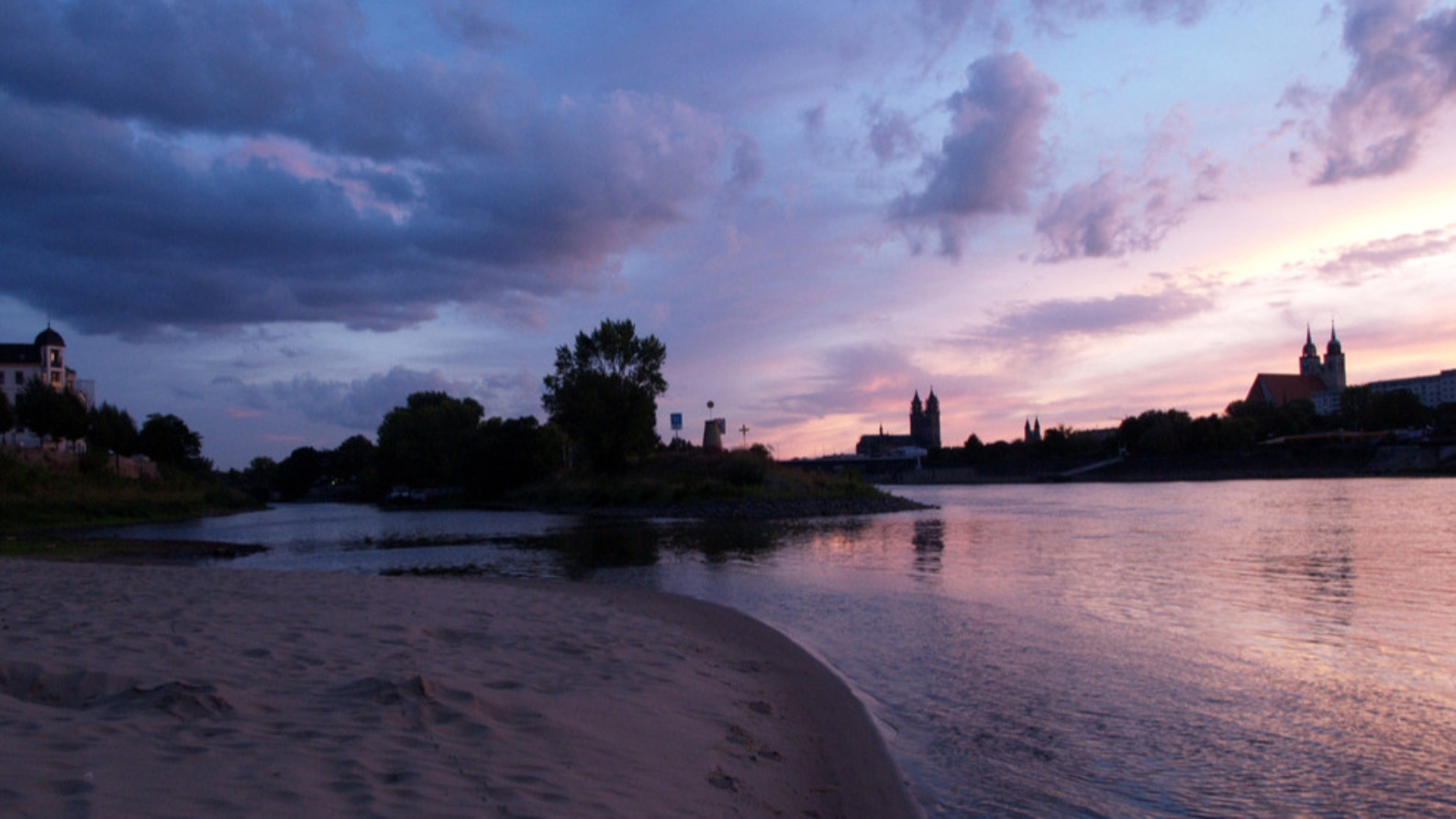
As the capital of the federal state of Saxony-Anhalt, Magdeburg is the seat of the state parliament and administration. The town is more than 1,200 years old and has about 242,000 inhabitants. Its excellent location on the River Elbe and its proximity to Berlin, Hanover, and Leipzig have proven to be a significant asset to the city. In the 19th century, the town developed into an important industrial and trade centre. Nowadays, another quite distinctive feature of Magdeburg is its considerable research and innovation potential at the university, the Max Planck and Fraunhofer research institutes, and the university of applied sciences, which are all located in close proximity to each other. Magdeburg offers an extensive park and garden landscape, a rich cultural and sports life, and an ideal atmosphere for being a student. Please visit the website: www.magdeburg.de.

Activate map

To activate the map, click on the "Show map" button. We would like to point out that data will be transmitted to OpenStreetMap after activation. You can find out more in our privacy policy. You can revoke your consent to the transmission of data at any time.