International Programmes 2026/2027

Earth Sciences and Global Change Earth Sciences and Global Change

University of Greifswald • Greifswald

Degree
Master of Science
Course location
Greifswald
Teaching language
  • English
Languages

The Master's programme will be studied entirely in English.

Full-time / part-time
  • full-time
Programme duration
4 semesters
Beginning
Winter and summer semester
Application periods
The following is valid for applicants from: all countries
For the summer semester:
1 November - 15 January
The following is valid for applicants from: all countries
For the winter semester:
1 May - 15 July
More information on application periods
Please find more details on this website.
Combined Master's degree / PhD programme
No
Joint degree / double degree programme
No
Description/content

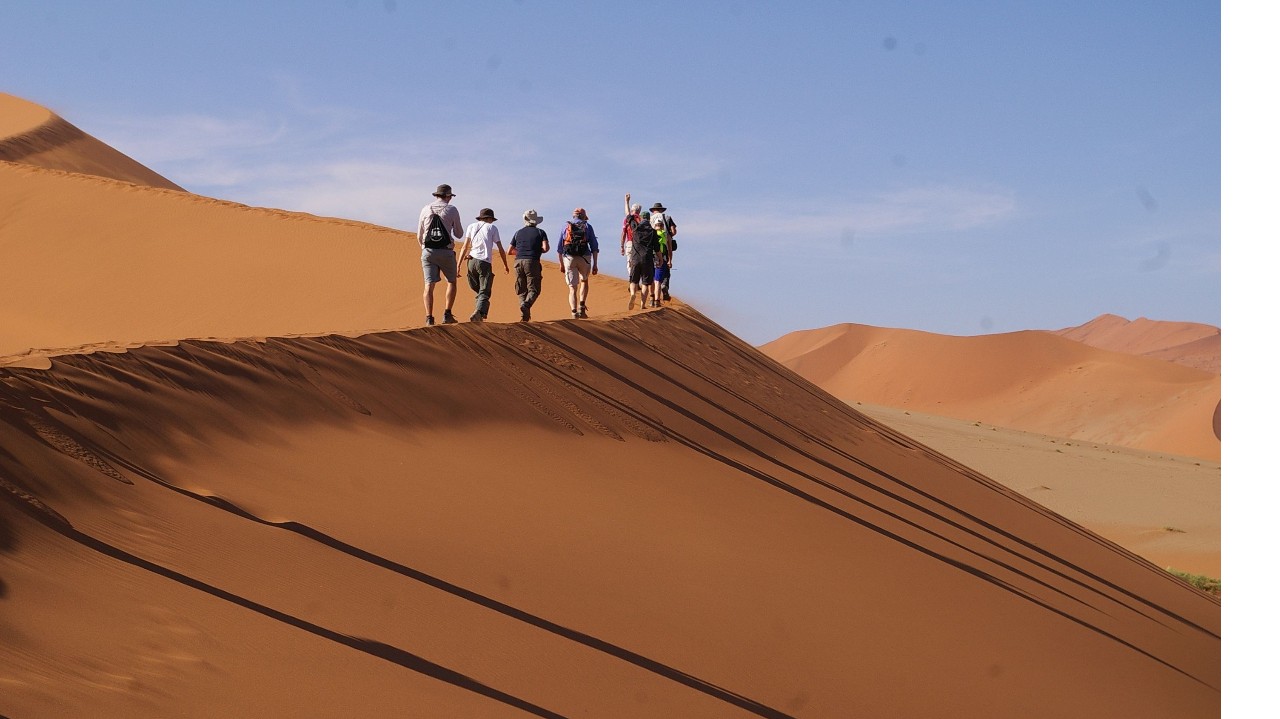
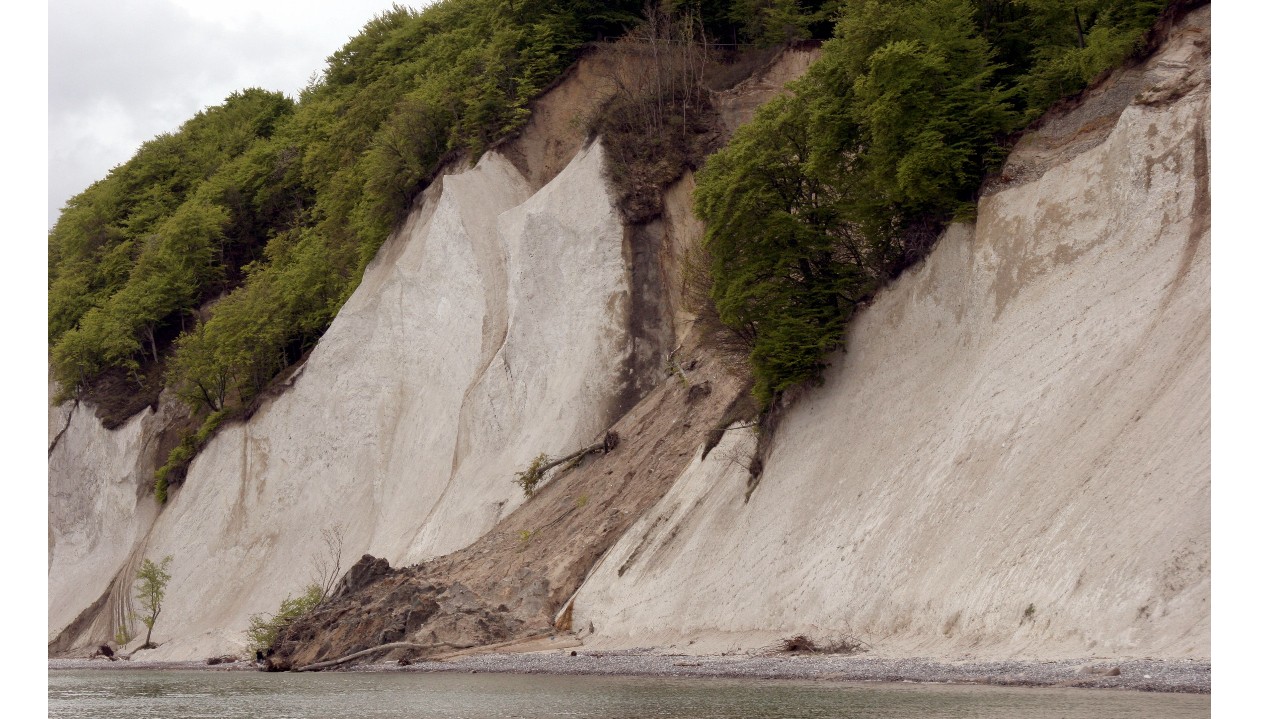
The Master's programme in "Earth Sciences and Global Change" is an interdisciplinary programme that deals with the complex interactions between the Earth's geosphere, atmosphere, hydrosphere and biosphere as well as the global changes caused by natural processes and human activities.

At a time when climate change and the loss of natural resources and biodiversity are among the most pressing challenges, this degree programme offers you a solid scientific basis for understanding these problems, grasping opportunities and developing solutions.

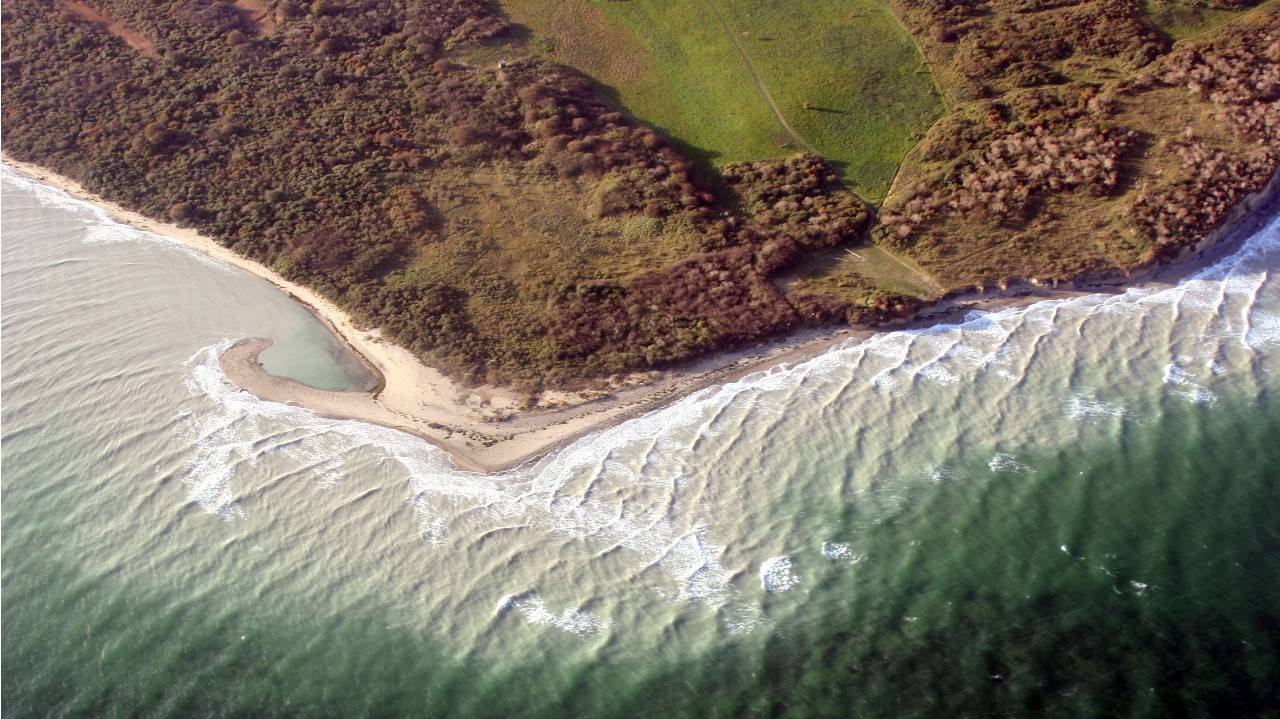
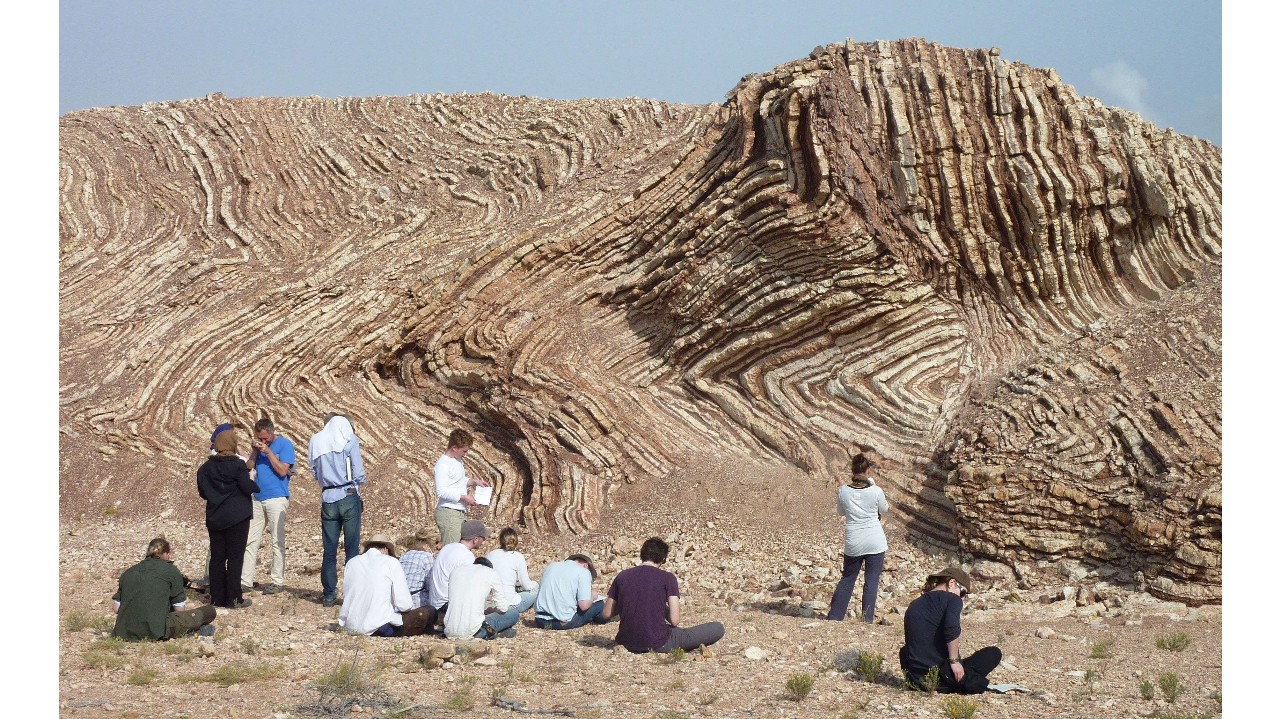
In this research-oriented Master's degree programme, you will acquire solid specialist knowledge and methodological skills in the field of geosciences. The aim is to deepen your understanding of physical, chemical and biological processes and their interactions in the Earth system. You will learn how geological processes shape the landscape, define aquatic systems and influence the climate. This knowledge is crucial for analysing the causes and effects of global changes on different spatial and temporal scales.

The Master's degree programme is designed to provide the skills required for independent academic work in preparation for a subsequent PhD project as well as advanced specialist knowledge required to work in industry, business, administration, research and teaching. To realise these goals, students acquire:

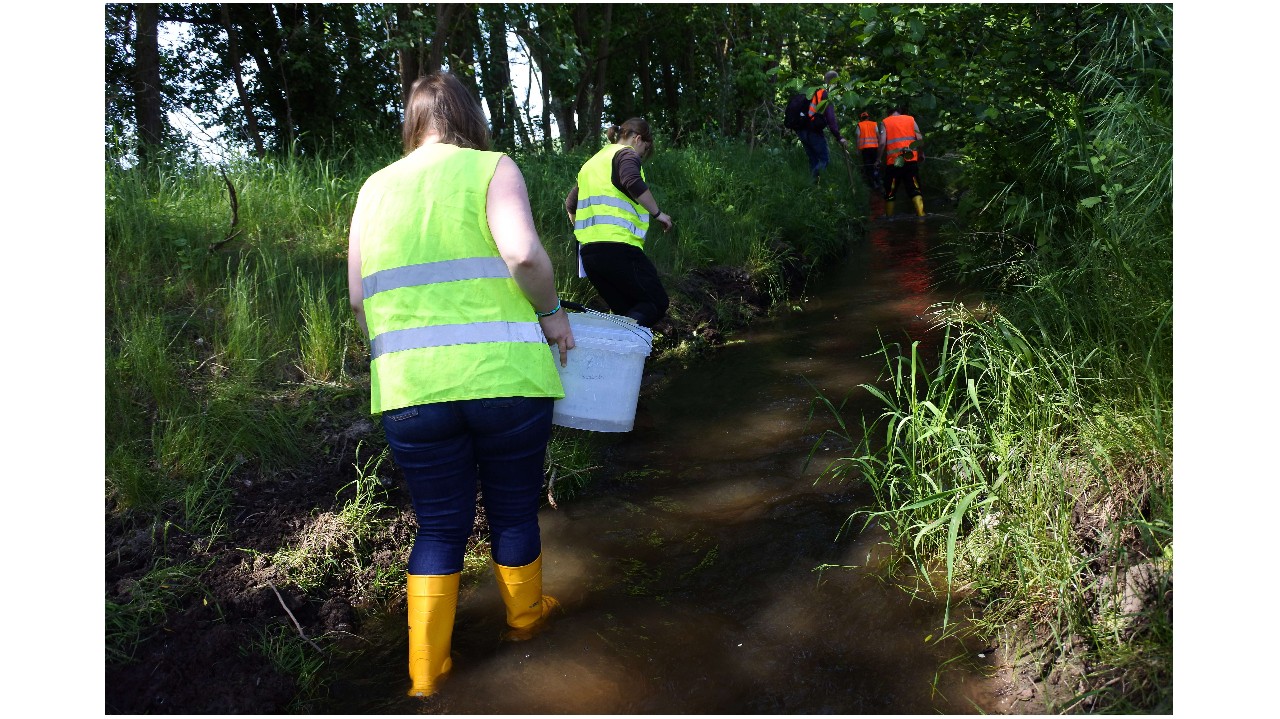
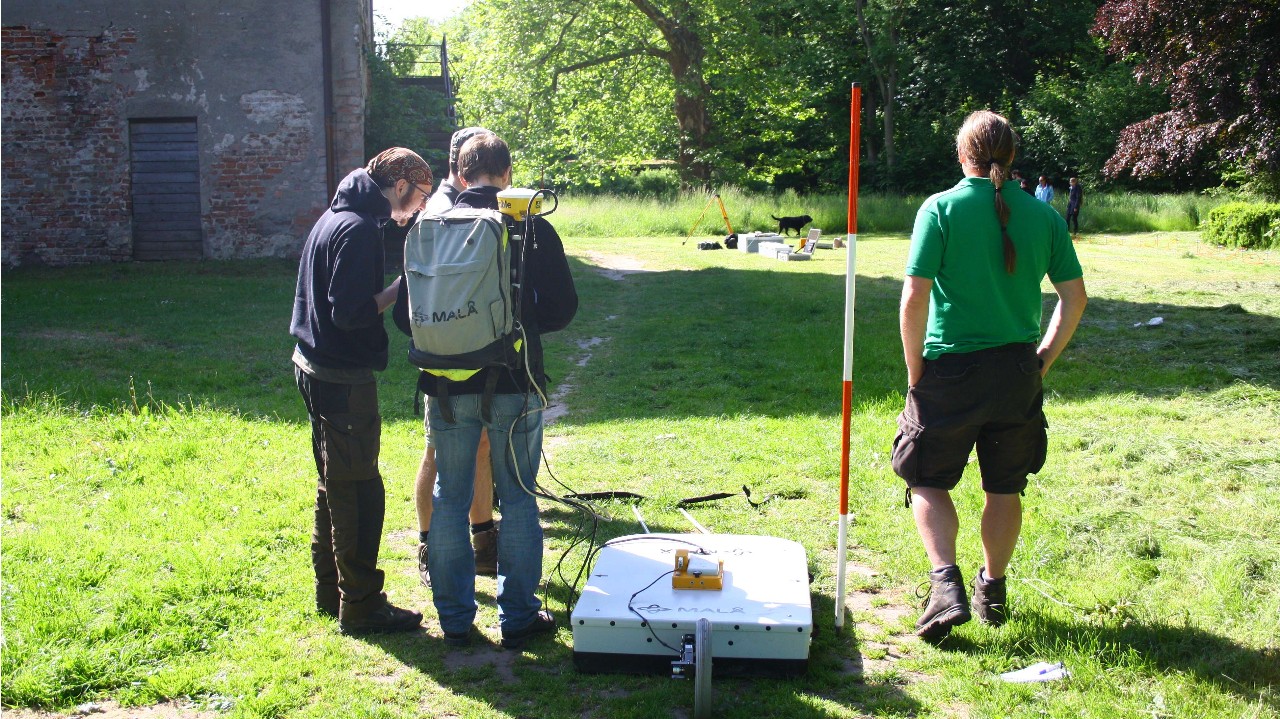
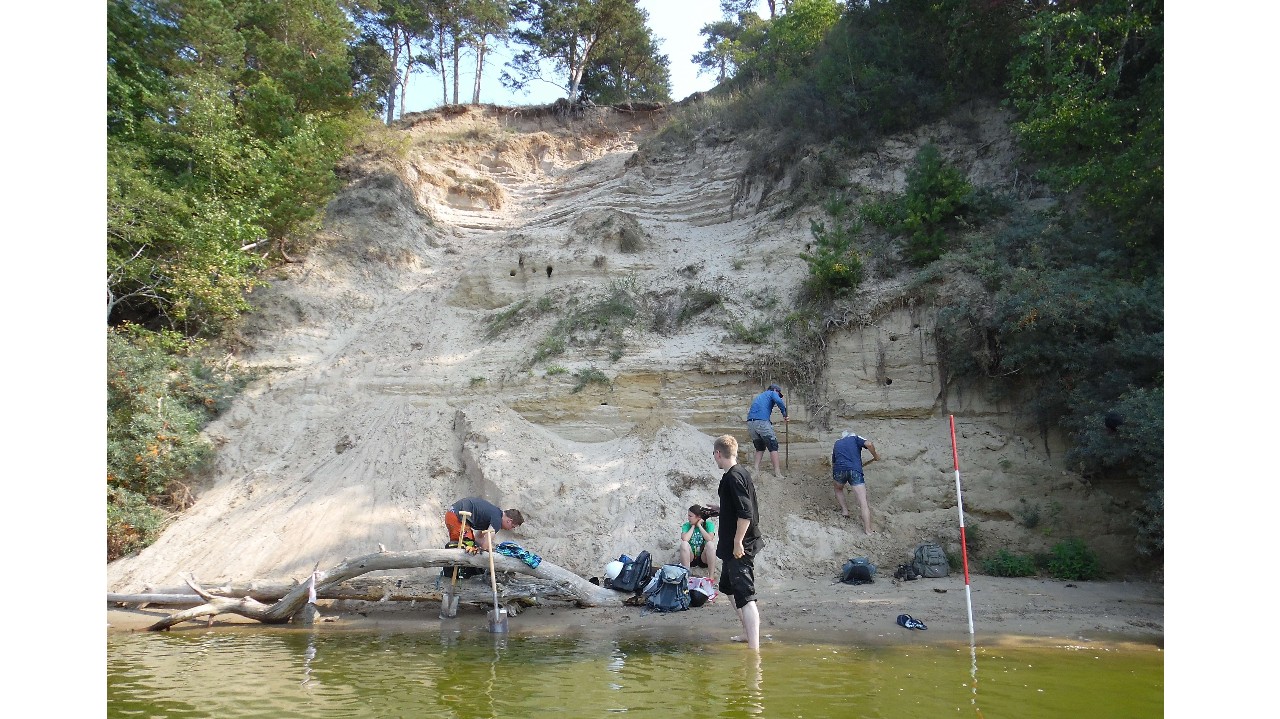
  • competence in linking field-oriented practice and analytical laboratory methods with the associated data evaluation and interpretation
  • awareness of processes over different time and spatial scales
  • skills in developing solution strategies for the sustainable use of georesources
  • ability to carry out independent scientific work and to communicate the gained knowledge

A large variety of modules allows students to develop their own fields of interest and shape their own academic profile. We offer the flexibility and mobility necessary in today's fast-changing job market. Our broad curriculum strives to keep in touch with current issues in geoscientific research and technology as well as the environmental challenges of modern society.

Course organisation

Our Earth Sciences and Global Change Master's programme is characterised by a wide range of geoscientific and related subjects and an interdisciplinary approach. Only a few modules are compulsory.

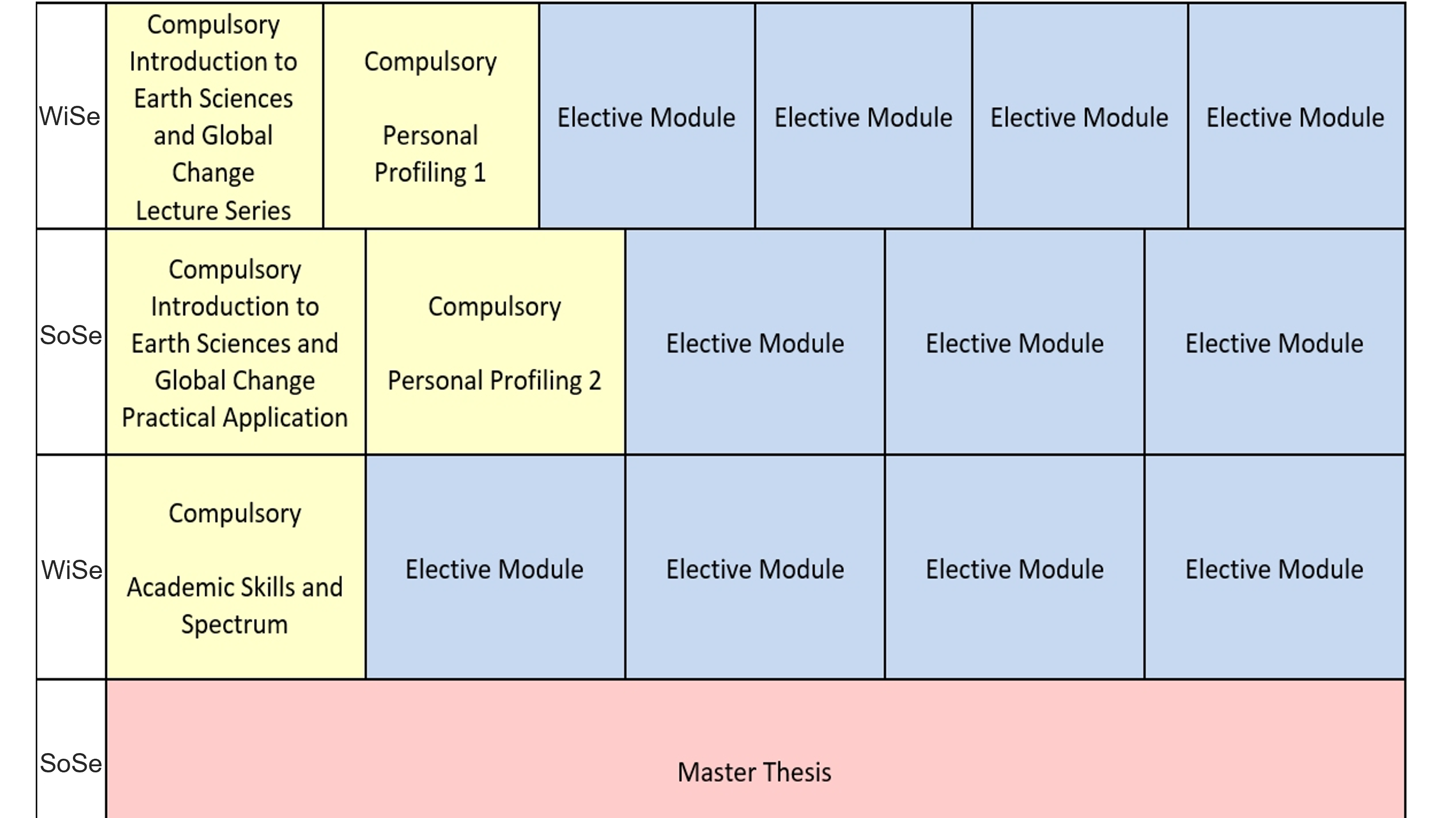
The programme starts with the "Introduction to Earth Sciences and Global Change" module, consisting of a lecture series (winter semester) and exercises, lab work, and excursions (summer semester) taught by lecturers from all contributing groups at the Institute of Geography and Geology. In addition, students are encouraged to develop their personal profile right from the start.

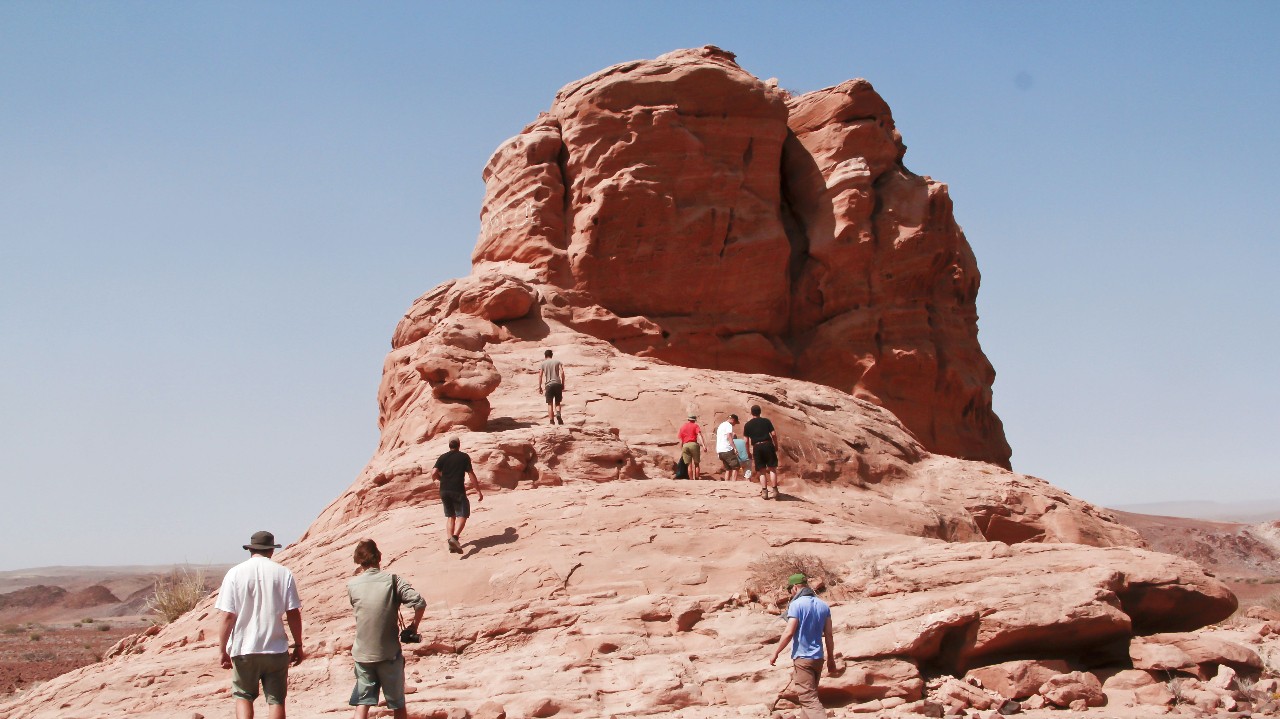
From the first to the third semester, students can study modules from a module catalogue that covers the broad geoscientific spectrum in the context of global change, e.g. from the fields of data analysis and interpretation, energy and water resources, geochemistry, geology, hydrogeology, laboratory practice, field excursions, limnogeology and palaeolimnology, geophysics, mineralogy, palaeontology, physical geography, raw materials, remote sensing, sedimentology and sustainability.

The standardised module size (six credit points) enables a high degree of flexibility. The individual schedule for the four semesters will be developed by the students, supported by an academic counsellor. In preparation for the Master's thesis, there is another compulsory module that teaches students how to deal with scientific literature, the publication process, project management and presentation techniques. This helps students develop relevant transferable skills prior to completion and defence of the Master's thesis in the fourth semester.

A Diploma supplement will be issued
Yes
International elements
  • Language training provided
  • Integrated/optional study abroad unit(s)
Integrated/optional study abroad unit(s)

A semester abroad can be integrated into the study programme by selecting mobility modules.

Integrated internships

None

Course-specific, integrated German language courses
Yes
Course-specific, integrated English language courses
No
Tuition fees per semester
None
Semester contribution

A semester fee of 110 EUR (or 135 EUR for freshers) must be paid every semester.

Costs of living

Around 920 EUR per month must be budgeted for accommodation, living expenses, health insurance, books, and miscellaneous expenses. The following link provides a fair picture of life in Greifswald, including living costs, daily expenses and leisure expenses: https://www.uni-greifswald.de/en/study/prior-to-studies/costs-and-financing/.

Funding opportunities within the university
Yes
Description of the above-mentioned funding opportunities within the university

The university provides a limited number of excellence scholarships and scholarships for outstanding social engagement. Eligible candidates are students in advanced semesters who clearly show above-average results.

Academic admission requirements
  • First degree (BSc or Diploma) in geosciences, environmental science, or equivalent
  • 90 credit points in the first degree from fields in geosciences (earth sciences)
German language skills
No minimum language level required
English language skills
B2 required, please provide an official language certificate, e.g.:
  • TOEFL iBT Home Edition (since 2026): 4
  • Cambridge English Qualifications: B2 First
  • TOEIC: 785
  • IELTS Academic: 5.5
Application periods
The following is valid for applicants from: all countries
For the summer semester:
1 November - 15 January
The following is valid for applicants from: all countries
For the winter semester:
1 May - 15 July
More information on application periods
Please find more details on this website.
Submit application via
Please apply via uni-assist.
Possibility of finding part-time employment

Students from countries outside the EU or EEA can work for four months per year (120 days full-time or 240 days part-time) without a work permit. Although Greifswald is a small city, there are some part-time jobs for students in the service sector (e.g. as a waiter/waitress or a language teacher) or at the university as a student assistant. For job opportunities, please check the following website: https://www.uni-greifswald.de/en/university/information/jobs/.

Accommodation

In order to make moving to Greifswald easy, students enrolled at the university may rent single or double rooms or choose individual apartments available within the six student residences managed by the "Studierendenwerk" (Student Services). Accommodation is also available for those with mobility impairments.

Private apartments are available throughout town at a wide variety of prices, sizes, and locations. Many students find living together in a “WG” (shared flat) to be an ideal arrangement since they can share the expenses for heating, electricity, internet, etc.

The following link provides detailed information on accommodation in Greifswald: https://www.uni-greifswald.de/en/life/accommodation/accommodation-in-greifswald/.

Support for international students and doctoral candidates
  • Help with finding accommodation
  • Welcome event
  • Buddy programme
  • Tutors
  • Accompanying programme
  • Cultural and linguistic preparation
  • Support with registration procedures
General services and support for international students and doctoral candidates

The University of Greifswald provides extensive support for international students and doctoral candidates. The International Office assists with admissions, visas, and integration. The Language Centre offers German courses, while student initiatives like LEI organise events to foster social connections. The Social and Psychological Counselling Service supports students facing personal or financial challenges. Doctoral candidates benefit from the Graduate Academy, which offers workshops, advisory services, and networking. The Welcome Centre helps international researchers with non-academic matters, ensuring a smooth transition into life in Greifswald.

University of Greifswald

Content Bild
© Jan Meßerschmidt/UG

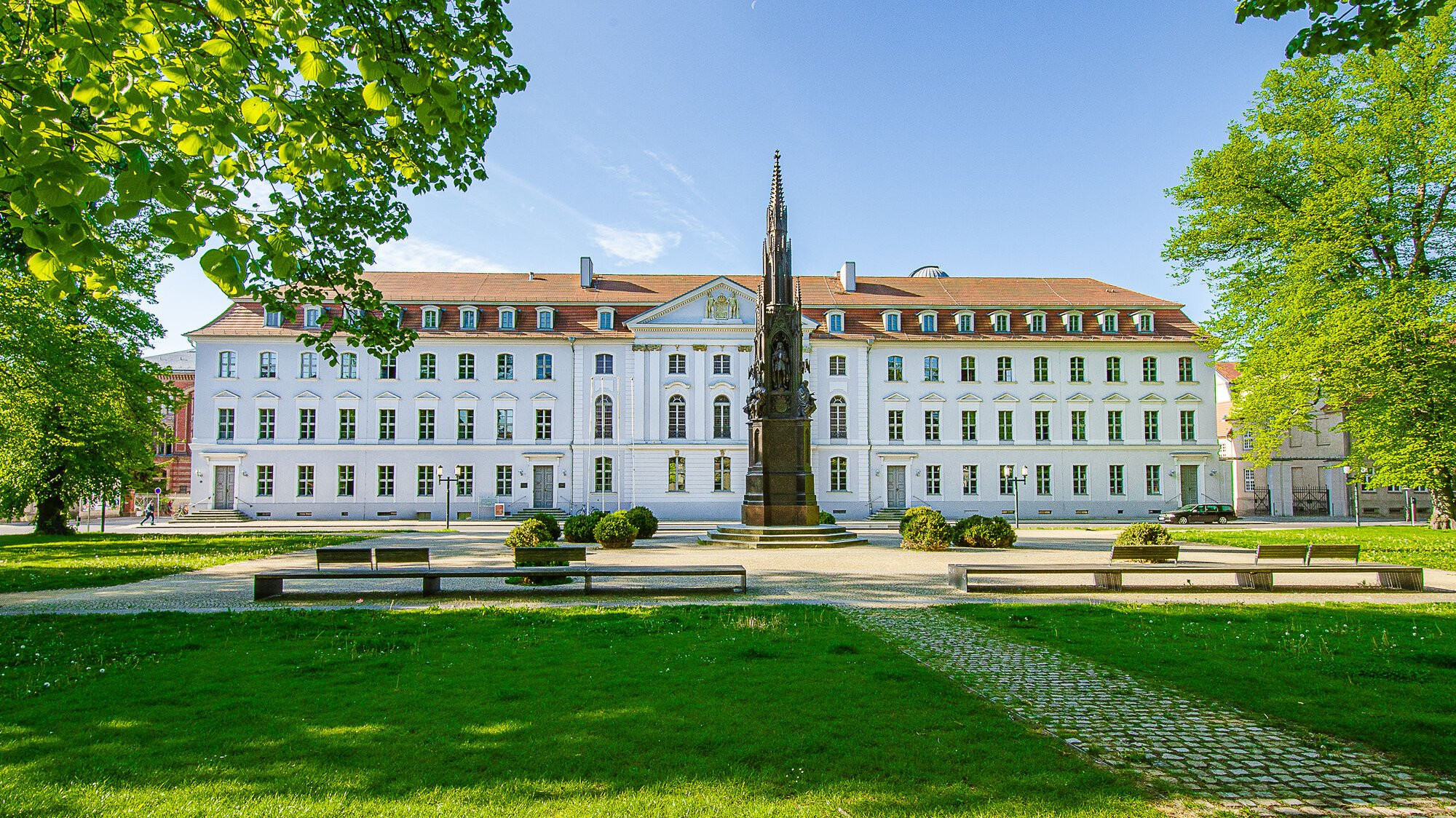
Founded in 1456, the University of Greifswald is one of the oldest universities in Germany, blending centuries of academic tradition with a modern, international outlook. Located in the north-east of the country, close to the Baltic Sea, the university offers a unique academic environment where innovation and personal engagement go hand in hand.

Today, approximately 10,000 students from over 100 countries are enrolled at the university. With around 200 professorships and 1,500 members of staff, the student-to-faculty ratio is exceptionally favourable, allowing for close and personal contact between students and academic staff. This supportive atmosphere is one of the defining features of studying in Greifswald.

The University of Greifswald is recognised for its research strength and academic diversity, particularly in life sciences, environmental studies, medicine, and the humanities. A broad range of degree programmes and research opportunities are complemented by a growing number of English-taught courses, making the university increasingly attractive to international students.

Through strong global partnerships and active participation in exchange programmes such as Erasmus+, the university promotes an open and international academic culture. The International Office offers comprehensive support with admissions, visa procedures, and integration into university life, ensuring that international students feel welcome and well-prepared.

Student life at the University of Greifswald is vibrant and diverse. A wide variety of student initiatives, cultural groups, and international associations offer opportunities to connect with fellow students and get involved. The LEI (Local Erasmus Initiative) organises events and activities designed to bring international and local students together.

The university also encourages an active lifestyle. With numerous sports facilities and over 100 university sports courses—from fitness training to team sports—students can stay active and healthy alongside their studies. The surrounding natural landscape provides additional options for outdoor recreation.

At the University of Greifswald, studying means more than attending lectures. It means being part of a close-knit academic community where students are seen, heard, and supported. The combination of high academic standards, international openness, and a personal learning environment makes the University of Greifswald a unique place to study.

10% International students from more than 100 countries
>100 Degree programmes offered

University location

Greifswald is a friendly and vibrant university town in northeastern Germany with a population of around 60,000. Just three kilometres from the Baltic Sea and surrounded by beautiful natural landscapes, it offers a peaceful yet engaging environment—perfect for studying and student life.

The town is well connected to popular destinations like the islands of Usedom and Rügen, known for having some of Germany’s most stunning beaches. Berlin, the capital of Germany, is just a two-and-a-half-hour train ride away, making weekend trips and cultural excursions easily accessible.

Greifswald is compact and student-oriented, making it easy to get around by bike or on foot. With a rich cultural scene, cosy cafés, and plenty of green spaces, it’s easy to feel at home here.

The weather is varied but generally mild. Winters can be cold, occasionally dropping to -10°C, with fresh winds from the sea—though heavy snow is rare. Summers are pleasant, usually between 20 and 25°C, and the region of Western Pomerania is known as one of the sunniest areas in Germany.

Greifswald is often described not simply as a town with a university, but as a university with a town. The university plays a central role in the cultural and social life of the city. This close-knit atmosphere creates a welcoming and inclusive environment that helps students feel at home from the very beginning.

Activate map

To activate the map, click on the "Show map" button. We would like to point out that data will be transmitted to OpenStreetMap after activation. You can find out more in our privacy policy. You can revoke your consent to the transmission of data at any time.