International Programmes 2025/2026

Solar System School — International Max Planck Research School for Solar System Science (PhD) Solar System School (IMPRS)

University of Göttingen • Göttingen

Degree
Doctor of Philosophy (PhD), Division of Mathematics and Natural Sciences
or
Doctor rerum naturalium (Dr rer nat)
Course location
Göttingen
In cooperation with

Max Planck Institute for Solar System Research (Göttingen)

Teaching language
  • English
Languages

All mandatory courses in the curriculum are offered in English, and all examinations required can be performed in English. Additional optional courses are held in English (90%) or German (10%). The teaching module can be done in English or German. The PhD thesis should normally be written in English, but can also be written in German upon request.

Programme duration
6 semesters
Beginning
Only for doctoral programmes: any time
Additional information on beginning, duration and mode of study

Review of complete applications begins after the deadline for the most recent call. Applications will by default be for a starting date in September of the following academic year, but a different individual starting date may be negotiable.

Application deadline

Several calls per year

Please plan ahead for any admission tests that you may be required to take, e.g. English language test or a GRE subject test in physics or chemistry (no GRE for geosciences). Please also plan ahead to inform and get consent from two academic referees who agree to submit reference letters on your behalf.

Applications for the PhD programme in Solar System Science may be submitted in response to an IMPRS call for applications, issued at various times per year (please see current schedule).

Applications in response to an IMPRS call for applications must be submitted through the online application portal. You may create an account for your online application for an upcoming call at any time. You will be able to save, edit and preview your application data without restrictions before submission.

Upon submission of the application, requests will be sent out to the two referees that you have named, with a deadline to submit reference letters no later than two weeks after the deadline for the call. Your submitted application will only be complete once two letters of recommendation have been uploaded and submitted by your referees.

Tuition fees per semester in EUR
None
Combined Master's degree / PhD programme
No
Joint degree / double degree programme
No
Description/content

The PhD programme is research-oriented and covers the full range of solar system science from geophysics and planetary science to solar and stellar physics including helioseismology and asteroseismology, as well as the underlying fundamental physics. Click here to read more.

The science programme is complemented by a training programme in computational physics, data analysis techniques, space technology, project management, scientific writing, and presentation and other skills. Space missions and ground-based instruments, data analysis as well as theoretical and numerical modelling provide excellent research opportunities for PhD students. Solar system science research subjects include cosmochemistry, small bodies in the solar system such as comets and asteroids, the interiors, surfaces, atmospheres and magnetospheres of the various planets, the interior of the sun and sun-like stars through helio- and asteroseismology, the sun's atmosphere from the photosphere to the corona, and solar wind and the heliosphere. Sun-Earth relations, extrasolar planetary systems and sun-like stars are also studied. Methods of research include instrumentation, observation, data analysis and theoretical modelling.

Course organisation

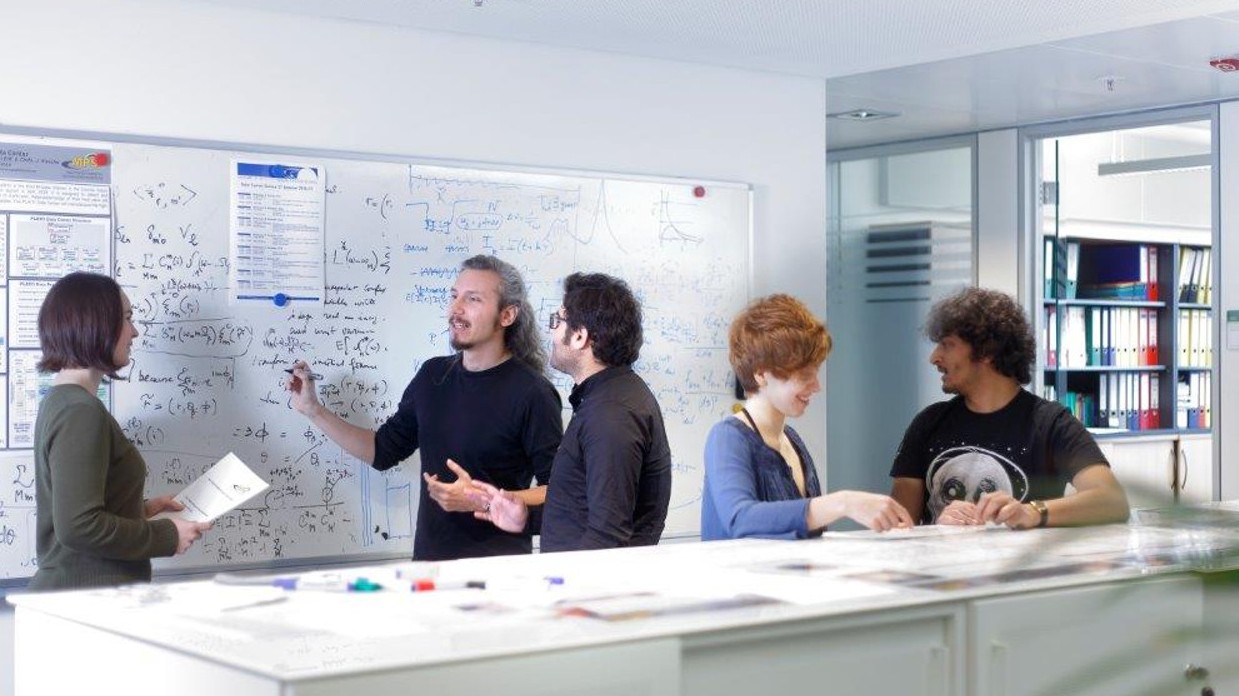
The PhD study programme is structured. Work on the thesis research project is complemented by a curriculum tailored to the needs of junior researchers.

The building blocks of the curriculum are research on the PhD topic with guidance from a thesis advisory committee, student seminars and institute colloquia, scientific communication, regular semester lectures, training in teaching, professional qualification courses, and an annual retreat. The course programme includes a high-level review lecture on solar system science during the first two semesters and a choice of more advanced lectures on specialised research topics. PhD projects are supervised by senior scientists and a thesis advisory committee including a university professor.

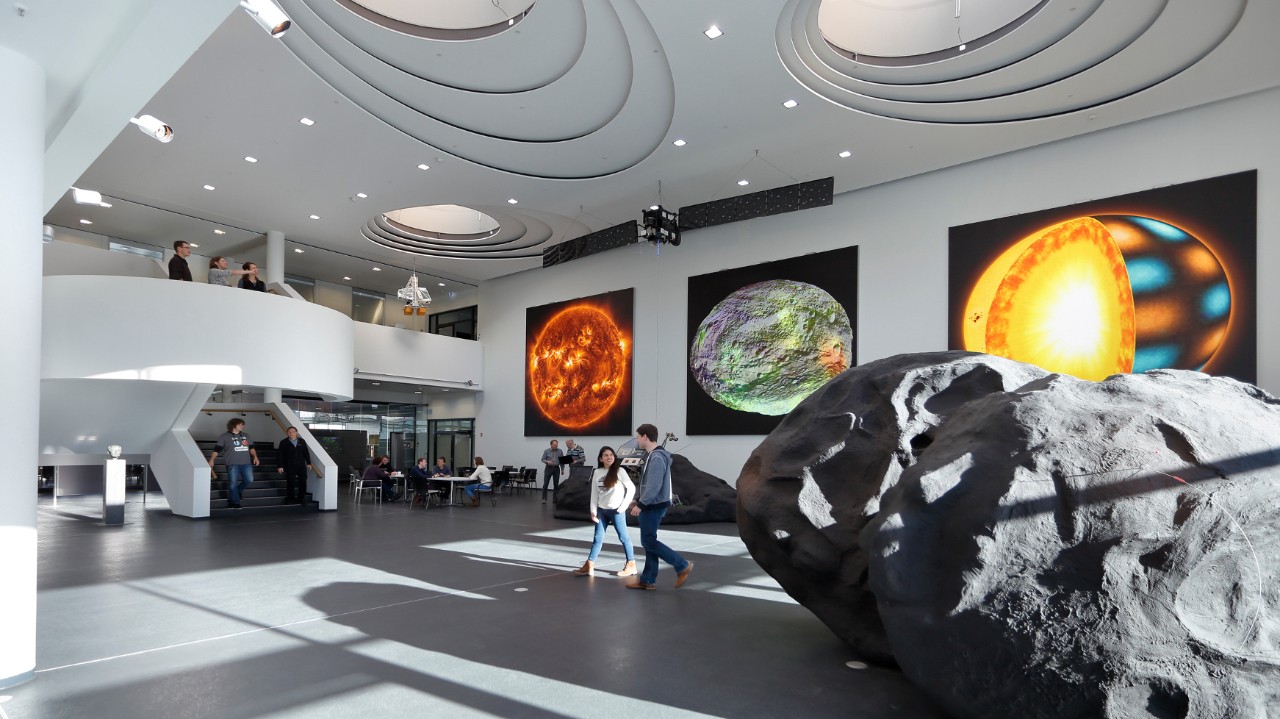
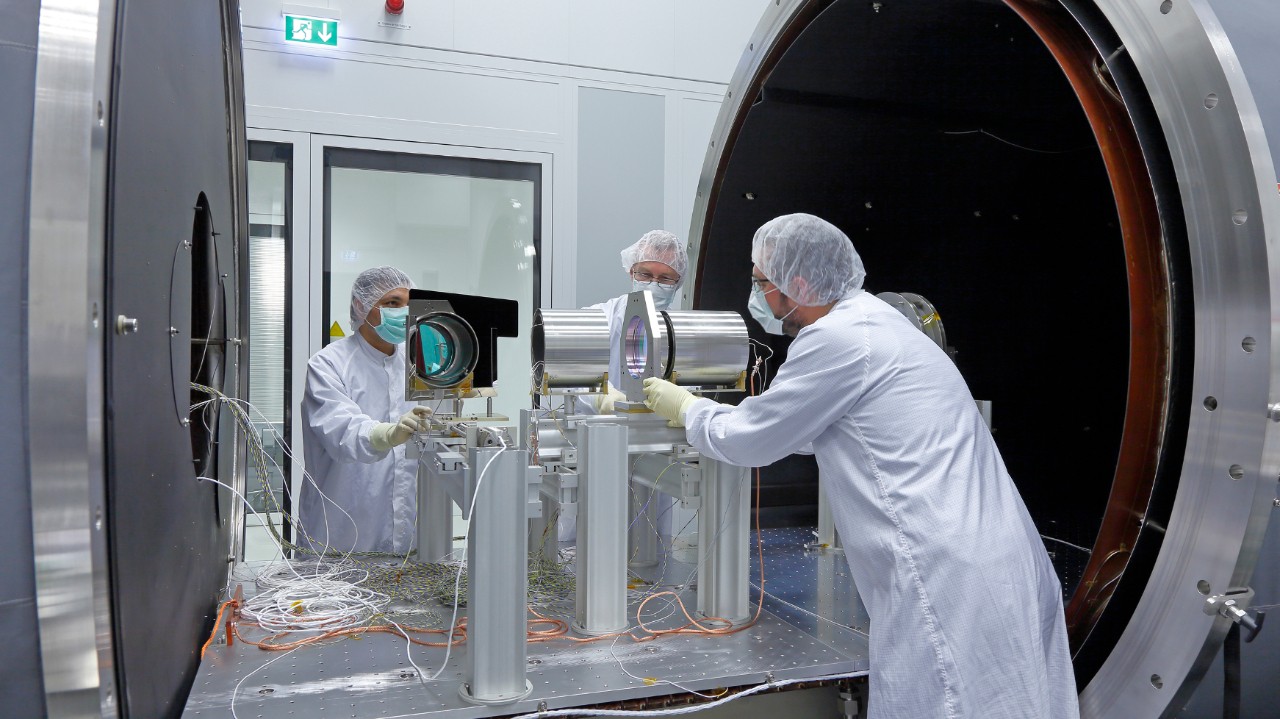
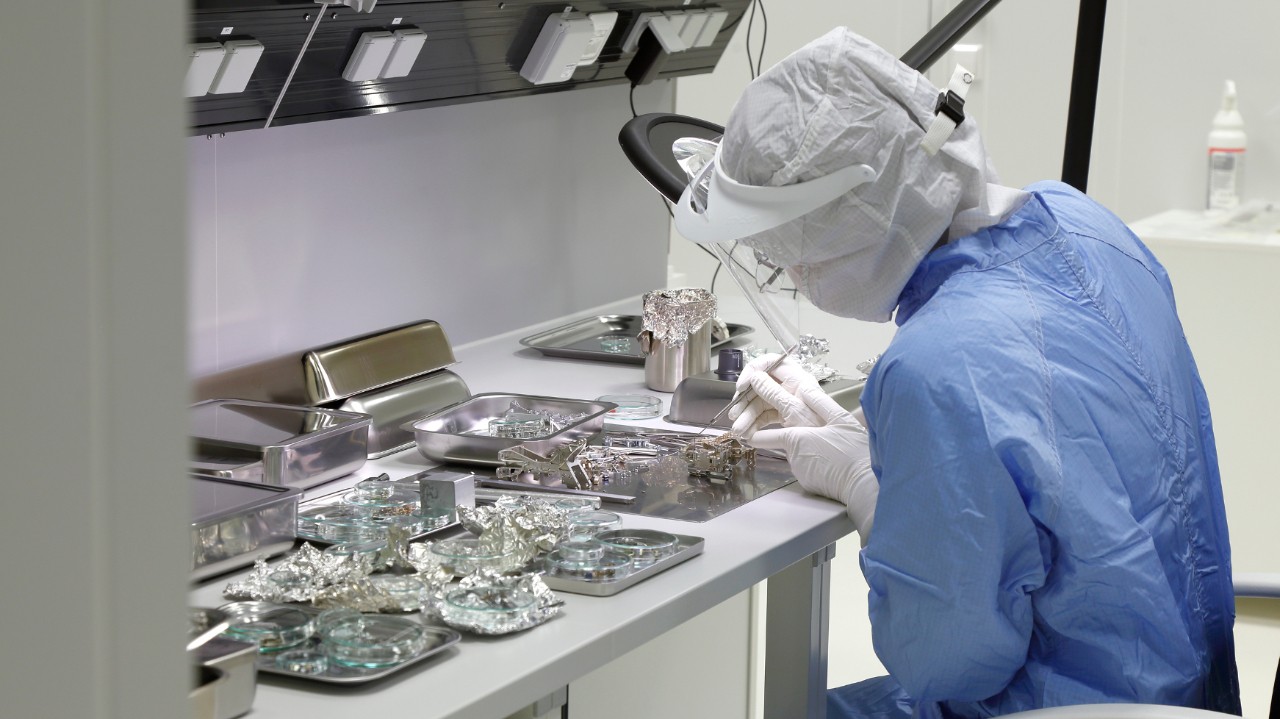
The participating institutes provide state-of-the-art laboratories and computing facilities.

PDF Download
International elements
  • International guest lecturers
  • Training in intercultural skills
  • Projects with partners in Germany and abroad
Description of other international elements

Participation in summer schools, international conferences, and workshops is highly encouraged and financially supported.

Teaching/work obligations or opportunities

Training in teaching is a mandatory part of the curriculum at the University of Göttingen.

Special promotion / funding of the programme
  • DAAD
  • IMPRS
  • Other (e.g. state level)
  • DFG (e.g. Research Training Groups)
Name of DAAD funding programme
Specialised funding programmes for specific countries or regions: Information on these can be obtained from the DAAD regional offices, the German diplomatic missions abroad or from the relevant offices at universities abroad, for example, the International Office.
Course-specific, integrated German language courses
No
Course-specific, integrated English language courses
No
Tuition fees per semester in EUR
None
Semester contribution

The fees are around 400 EUR per semester. This usually includes a prepaid semester ticket, which entitles students to use regional trains in Germany free of charge, as well as buses. University of Göttingen students also receive discounts or free entry to many cultural events in the city. Meals are available at reduced prices at university canteens.

Costs of living

The average cost of living in Göttingen is modest compared to other major university cities in Germany. Currently, expenses for accommodation, food, health insurance and books are about 800 EUR per month. Please note that fees for health insurance may vary according to age. Living expenses might be slightly higher.

Funding opportunities within the university
Yes
Description of the above-mentioned funding opportunities within the university

PhD students in the programme are typically employed on a work contract, with remuneration at a level adequate to fully cover the costs of living. Please navigate to "Services" for details!

Academic admission requirements

Academic admission requirements include a Master of Science (or equivalent) degree in physics, geosciences or a related field, including a written Master's thesis or a first-author peer-reviewed scientific publication. Positions are awarded on a competitive basis.

Language requirements

Documented proficiency in English is required.

Application deadline

Several calls per year

Please plan ahead for any admission tests that you may be required to take, e.g. English language test or a GRE subject test in physics or chemistry (no GRE for geosciences). Please also plan ahead to inform and get consent from two academic referees who agree to submit reference letters on your behalf.

Applications for the PhD programme in Solar System Science may be submitted in response to an IMPRS call for applications, issued at various times per year (please see current schedule).

Applications in response to an IMPRS call for applications must be submitted through the online application portal. You may create an account for your online application for an upcoming call at any time. You will be able to save, edit and preview your application data without restrictions before submission.

Upon submission of the application, requests will be sent out to the two referees that you have named, with a deadline to submit reference letters no later than two weeks after the deadline for the call. Your submitted application will only be complete once two letters of recommendation have been uploaded and submitted by your referees.

Submit application to

Online application portal

Information and instructions: https://www.mps.mpg.de/phd/application
Latest call for applications: https://www.mps.mpg.de/phd/applynow
Online application portal: https://www.application.mps.mpg.de/public

Possibility of finding part-time employment

Fully funded PhD position: three and a half-year doctoral support contract

The IMPRS offers fair and attractive funding. Doctoral candidates are usually employed on a doctoral support contract with remuneration dependent on TVöD (75% E13) according to the German public salary scale. Depending on the type of project work the PhD candidate is pursuing, and depending on the institution or funding agency financing their project, they may alternatively be employed on a "TVöD" contract (public salary scheme). IMPRS-funded students normally receive 3.5-year doctoral support contracts. The monthly salary for a fully-funded PhD position in the IMPRS for Solar System Science is on average 2,400 EUR (after deductions).

Positions are awarded on a competitive basis.

Accommodation

Doctoral candidates, especially those in fully financed programmes, are not eligible for housing in student accommodation (student residence halls), but the Max Planck Institute for Solar System Research provides temporary accommodation upon arrival and offers help in finding accommodation on the private market.

Structured research and supervision
Yes
Research training / discussion
Yes
Career advisory services and programmes for future professionals

University of Göttingen GAUSS Career Service Unit

Support for international students and doctoral candidates
  • Welcome event
  • Buddy programme
  • Accompanying programme
  • Specialist counselling
  • Visa matters
Supervisor-student ratio
On average three PhD students per supervisor

University of Göttingen

Content Bild
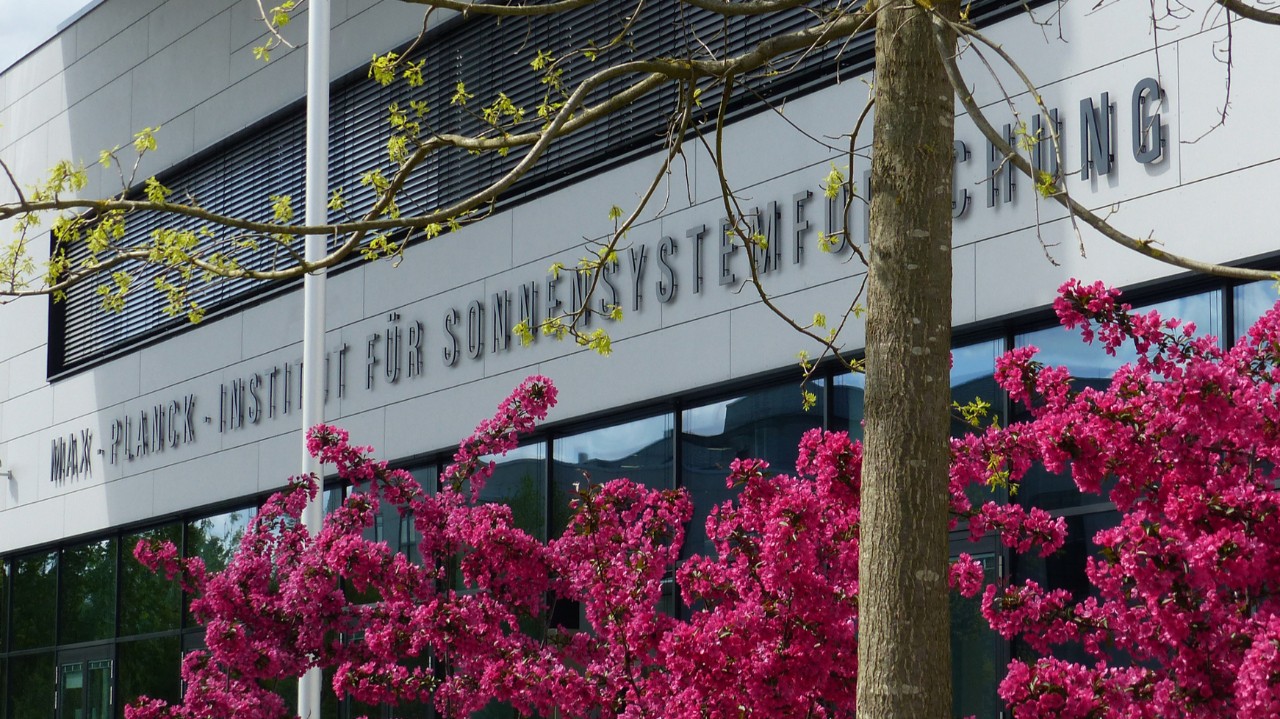
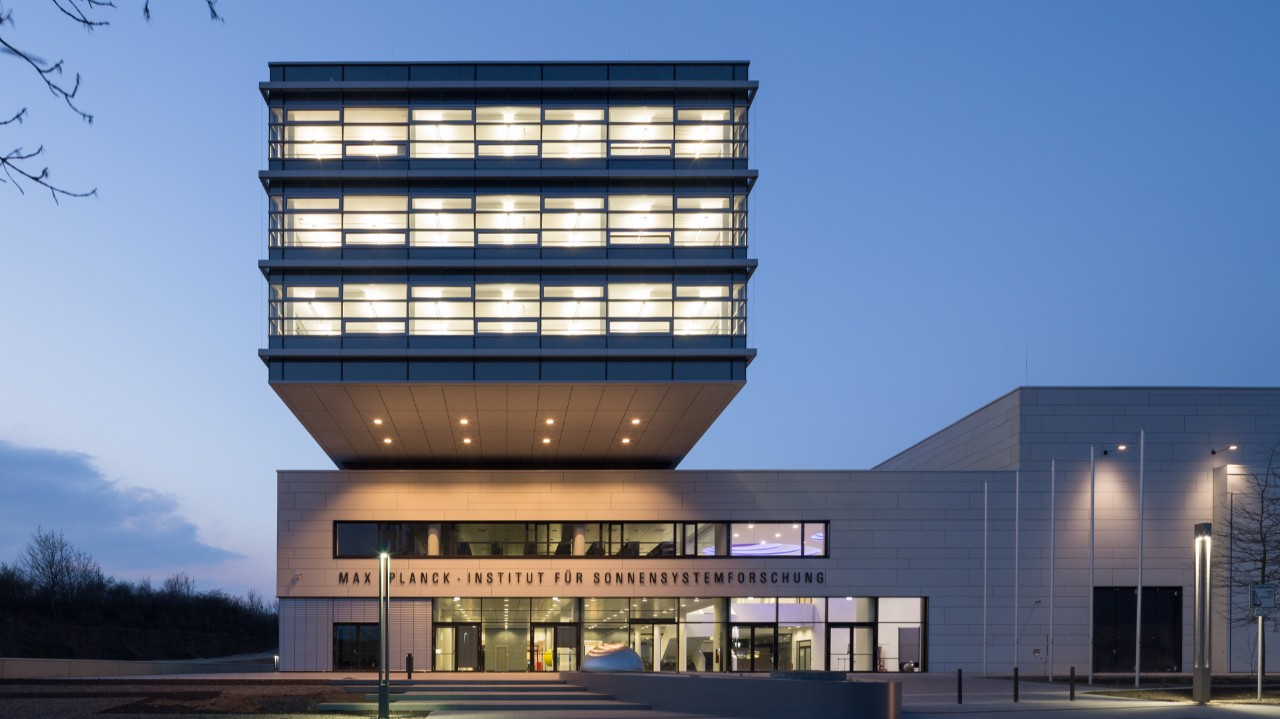
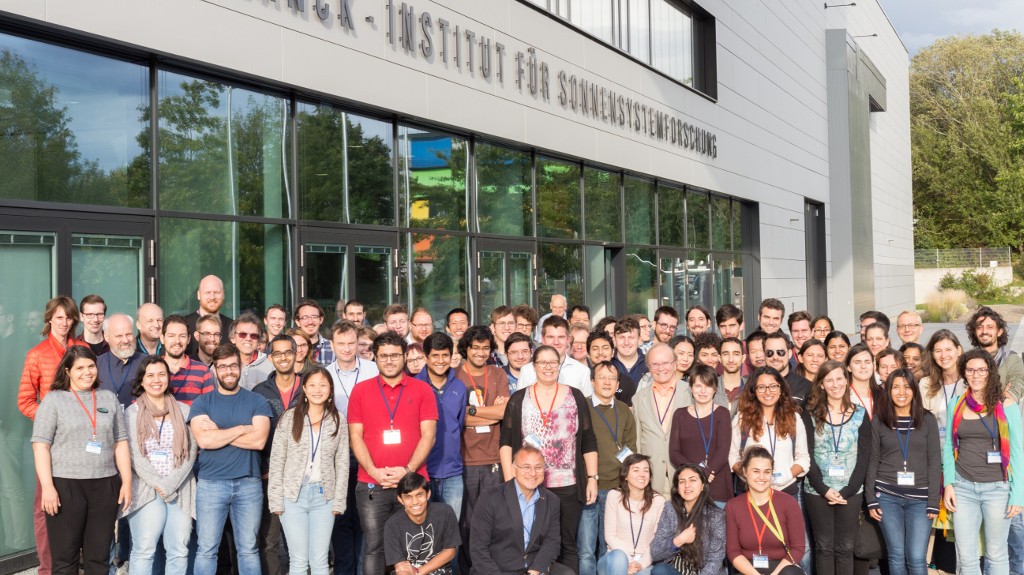
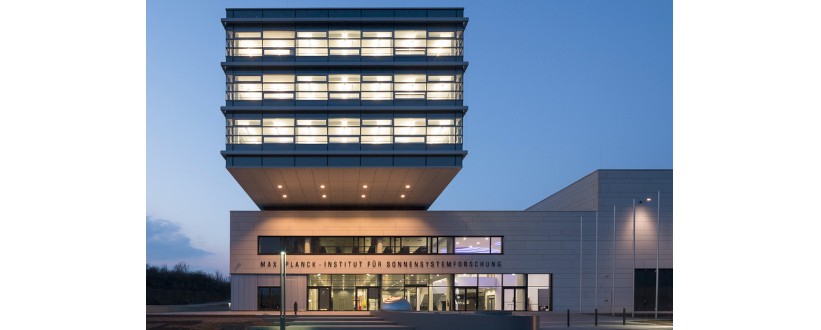
MPI for Solar System Research, hosting institution of the International Max Planck Research School for Solar System Science at the University of Göttingen © MPS (M. Ebener)

University of Göttingen – Committed to Excellence
Founded in 1737, the University of Göttingen is a research-driven university of high international standing. It is renowned for its diverse range of academic disciplines, research-oriented teaching, and outstanding scientific environment in which more than 45 Nobel laureates have studied, taught, or pursued their research. With about 28,000 students —around 17 percent of whom are international— and more than 210 degree programmes, the university is one of the largest in Germany.

Variety of study programmes
The University of Göttingen offers a vast variety of academic programmes for undergraduate and graduate studies. Internationally renowned expert researchers teach in more than 40 academic disciplines. More than 40 full-time undergraduate and graduate programmes are taught entirely in English. Five International Max-Planck Research Schools (IMPRS) prepare students for unique careers in scientific research. Additionally, a growing number of double degree programmes with prestigious international universities are available.

Guidance, supervision, and study conditions
Students are given comprehensive advisory and supervisory support in all phases of their studies. Since advice and guidance are crucially important for the successful outcome of a university career, the University of Göttingen is constantly improving and extending its performance in this area.

Excellent library
The Göttingen State and University Library (SUB Göttingen) is one of Germany’s leading academic libraries, with holdings of over nine million books, journals, and other media. It offers a wide range of services to support study and research and plays a key role in numerous national and international projects focused on enhancing access to information and developing digital research infrastructures.

Alumni worldwide
As a member of Göttingen alumni, you will remain part of the international "Göttingen Family" even after your graduation. The alumni association connects alumni worldwide and keeps them informed about current developments at the university and in the city of Göttingen. Through online and offline events, workshops, career support and social projects, it offers numerous opportunities for networking, mentoring, and social commitment.

www.uni-goettingen.de/international-students
5-10 Fully funded PhD positions each year (IMPRS)
70 Percentage of international students (IMPRS)

University location

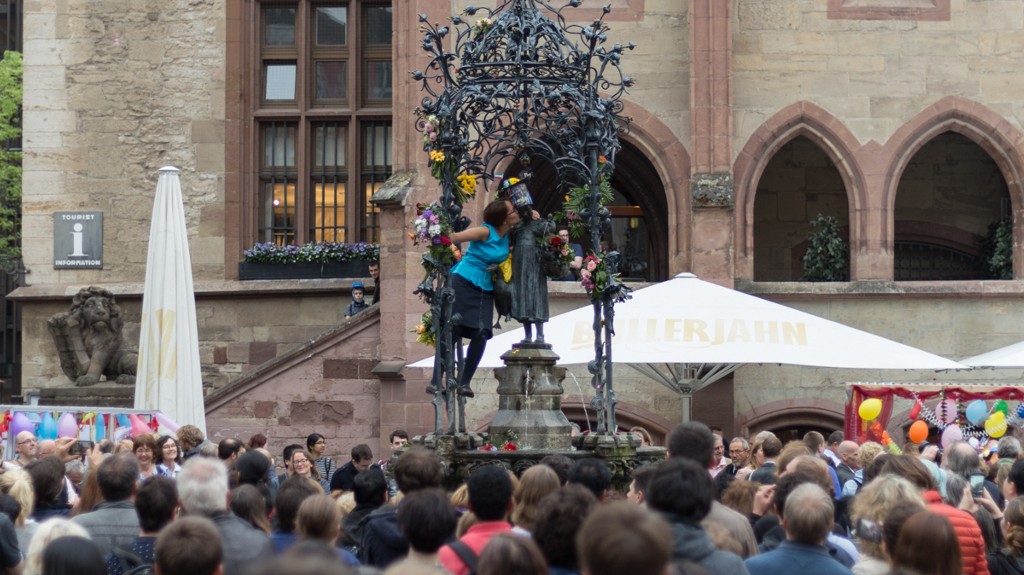
Göttingen – a good place to live and study

Göttingen, with a population of approximately 130,000, is a city where tradition and innovation complement one another perfectly. The excellently preserved timber-framed houses in the historic quarter and the University of Göttingen with its 28,500 students create a lively atmosphere that would be hard to find elsewhere.

The university departments and buildings are mainly located on two campuses and are within easy walking or cycling distance from each other. Accommodation for 4,500 students and excellent canteens run by the student services organisation ("Studentenwerk") allow for a high quality of life at a low cost.

The university cooperates closely with non-university research institutes in Göttingen. Together, they form the "Göttingen Campus" – an alliance of cutting-edge research institutes. This includes four Max Planck Institutes and the Göttingen Academy of Sciences and Humanities in Lower Saxony as well as the German Primate Center and the German Aerospace Center. The Göttingen Campus has created an environment of openness in which students at all levels (Bachelor's, Master's or PhD) as well as experienced researchers can develop fresh and innovative ideas. Numerous scientists and scholars from the non-university research institutes lecture at the university, and joint professorial appointments create bridges between the university and campus partners. This structure supports the reputation of the University of Göttingen as one of the most successful research-oriented universities in Germany.

Situated in the geographical centre of Germany and Europe, Göttingen has excellent travel connections: Berlin, Hamburg, and Frankfurt are only a two-hour train ride away. But you don't have to go that far to take a break; Göttingen itself offers many options for recreational activities. The city boasts three theatres and a symphony orchestra. Many cinemas, cafés, and pubs provide numerous opportunities to meet like-minded people and enjoy yourself. Alternatively, you can play an active role in the student union, which sponsors many cultural and recreational events. Last but not least, the city and the university offer a variety of activities for sports enthusiasts. The "Hochschulsport Göttingen" (University Sports Centre) is one of the biggest in Germany and offers a wide range of disciplines and gyms for members of the Göttingen Campus. More than 150 different sports with an indoor pool, climbing centre, fitness studio, and several outdoor sports fields are offered at an extremely reasonable price.

Activate map

To activate the map, click on the "Show map" button. We would like to point out that data will be transmitted to OpenStreetMap after activation. You can find out more in our privacy policy. You can revoke your consent to the transmission of data at any time.