International Programmes 2026/2027

Earth and Climate System Science Earth and Climate System Science

University of Hohenheim • Stuttgart

Degree
Master of Science
Course location
Stuttgart
Teaching language
  • English
Languages

Courses are held in English only.

Full-time / part-time
  • full-time
Programme duration
4 semesters
Beginning
Winter semester
Application periods
The following is valid for applicants from: non-EU countries
For the winter semester:
1 December - 15 March
The following is valid for applicants from: EU countries
For the winter semester:
1 April - 15 May
More information on application periods
Please find more details on this website.
Combined Master's degree / PhD programme
No
Joint degree / double degree programme
No
Description/content

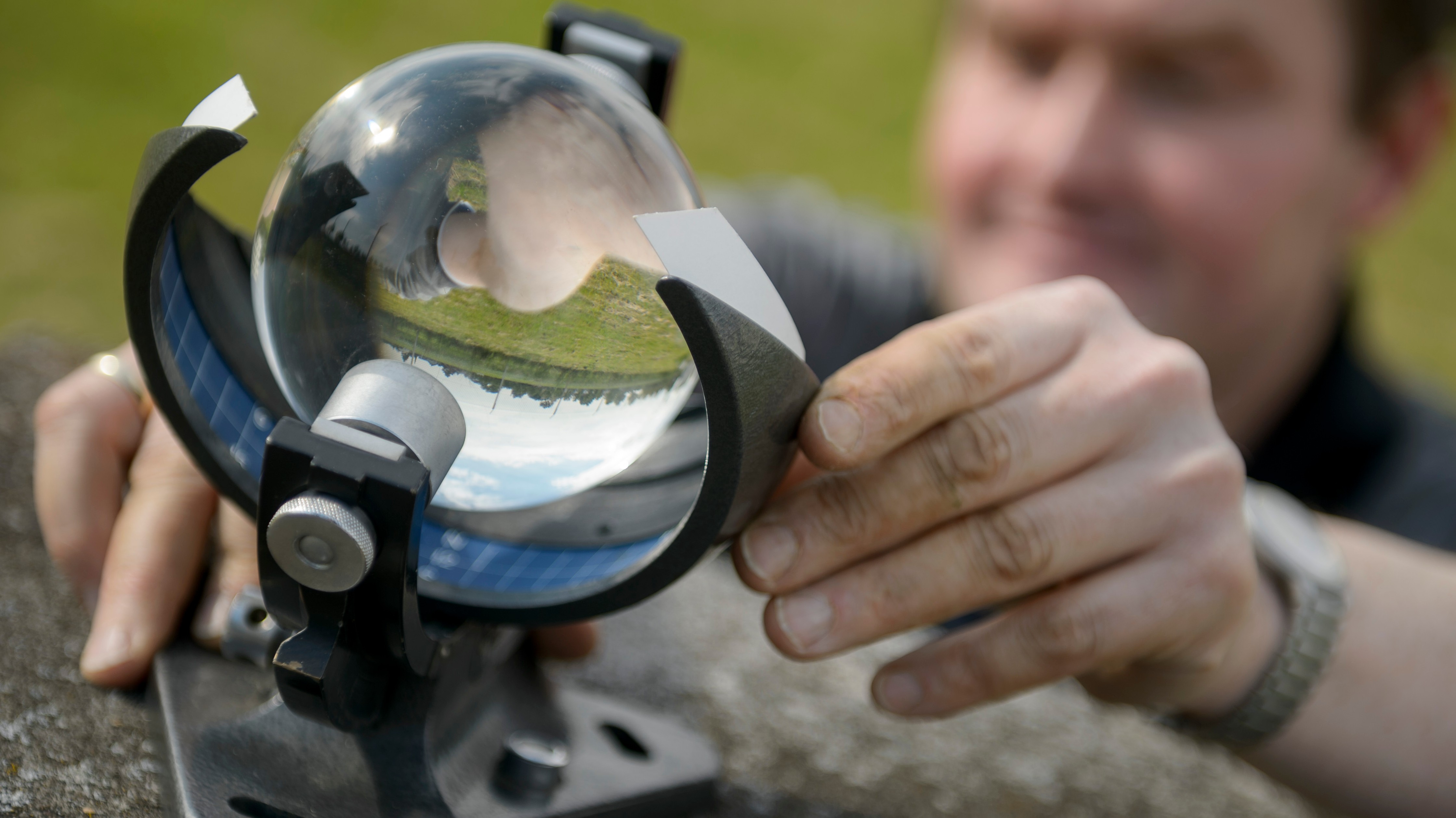
Processes in the Earth's environment occur within a complex framework. Population growth, climate change, land use as well as food production and food security all play a vital part. The programme in Earth and Climate System Science is both interdisciplinary and research-oriented. Aspects of natural sciences are linked to topics in the agricultural and economic sciences. You will acquire an understanding of the key processes in the Earth system, including human activities, and you will be able to assess the Earth system's current status through analysis of various indicators. Graduates are able to simulate Earth system components (e.g. the regional climate) particularly over the land surface with a focus on land use and land management as well as on agricultural activities. This fundamental knowledge is essential for end users and decision-makers in the era of climate change in all climate regions. The Master's programme in Earth and Climate System Science was conceived at the University of Hohenheim in order to accommodate such wide-ranging and complex demands. It is the only one of its kind in Germany. The study programme is coordinated and coupled with ongoing international programmes in the field of weather, climate and Earth system research.
Graduates educated in these areas will become experts in developing concepts of sustainability aimed at protecting the Earth's environment and contributing to food security as well as steering the Earth's development and providing guidance to the general public, end users, and decision-makers. The University of Hohenheim has an excellent long-term record in this area of education and research.

Current information

For further information on this degree programme, we invite you to attend our Master's info event (online via zoom): https://www.uni-hohenheim.de/en/masters-informational-events.

Course organisation

In the course of your studies, acquisition of theoretical knowledge is combined with practical exercises including field measurements. Ten compulsory modules are dedicated to acquiring basic skills in and fundamental knowledge of Earth system science. For instance, in these modules, you study feedback mechanisms over the land surface by operating and analysing soil-vegetation-atmosphere models as well as agricultural and economic models.

Particularly innovative components of the programme are:

  • the debate seminar in the second semester
  • training in data assimilation as a key technology in weather forecasting, climate simulations and re-analyses of regional climate
  • operation and analyses of regional climate models
  • application of remote sensing for Earth system observations
  • the synthesis of aspects of natural science with economic models

You have the opportunity to deepen your knowledge in various fields of research within seven specialisation modules which take place in the second and third semesters. For a short description of all modules, see: https://www.uni-hohenheim.de/en/module-catalogue.

Additionally, students can develop their personal qualification profile by choosing modules of a specific field, such as

  • Earth System Processes and Simulation,
  • Agroecosystems and Food Security or
  • Sustainability and Environmental Resources.
A Diploma supplement will be issued
Yes
Integrated internships

Not obligatory

Course-specific, integrated German language courses
Yes
Course-specific, integrated English language courses
Yes
Tuition fees per semester
Varied
Semester contribution

Universities in Baden-Württemberg require their students to pay a semester contribution towards the administration costs, for student services and for the Student Parliament. Student services provide many benefits, such as discounted tickets for public transportation. The semester contribution amounts to approx. 175 EUR per semester.

Costs of living

Baden-Württemberg has the highest standard of living in Germany. The downside is that living costs are slightly above the German average. However, the cost of living can vary enormously depending on your personal lifestyle and where you live. It is generally more expensive to live in a bigger city like Stuttgart, where the University of Hohenheim is located. As a rule of thumb, 950 EUR to 1,000 EUR per month should be enough. The largest monthly expense is usually for rent, accounting for a third of the total cost of living for most students. These costs can be cut substantially by sharing a flat or living in a dorm. A typical example of monthly expenses could look like this:

  • Rent: 350 EUR to 500 EUR
  • Health insurance: approx. 110 EUR
  • Public transport: approx. 60 EUR
  • Study materials: 100 EUR
  • Food and drink: 150 EUR to 250 EUR
  • Leisure and hobbies: approx. 100 EUR
Funding opportunities within the university
No
Academic admission requirements

Applicants are required to prove...

  • A completed Bachelor's programme (or equivalent) with a profile in natural sciences, geosciences or agricultural sciences (e.g. degrees in agricultural biology, biology, and bio-based products and bioenergy are accepted; the selection committee may accept further study programmes)
  • A Bachelor’s degree grade of at least 3.0 or higher
  • subject-specific coursework in two of the three subjects mathematics, physics and chemistry with at least 6 ECTS each
  • good English language skills (level B2)

Please find detailed information on the application procedure here.

German language skills
No minimum language level required
English language skills
B2 required, please provide an official language certificate, e.g.:
  • IELTS Academic: 6.5
  • TOEFL iBT (before 2026): 90
  • TOEFL iBT (since 2026): 4.5
  • UNIcert® English: UNIcert® II
Language requirements exemptions
Please find details on the course website.
Application periods
The following is valid for applicants from: non-EU countries
For the winter semester:
1 December - 15 March
The following is valid for applicants from: EU countries
For the winter semester:
1 April - 15 May
More information on application periods
Please find more details on this website.
Submit application via
Please check this website.
Accommodation

Student residences on campus

At the University of Hohenheim, several student residence halls are located on campus. They are managed by Student Services Tübingen-Hohenheim. There is a high demand for these rooms, which is why usually only a small number of applications will be successful.

International (non-EU) students have a much more difficult time than Germans in finding private accommodation at the start of their studies when they are searching from their home countries. Therefore, the university provides a quota of rooms for international students. This enables a larger number of new international students to have a room in a residence hall. To be able to offer this special assistance at the start of studies, the rental duration for these rooms is limited to two years for Master's students.

Additionally, the house-hunting assistance offers support in finding a room on the private market.

Support for international students and doctoral candidates
  • Buddy programme
  • Cultural and linguistic preparation

University of Hohenheim

Content Bild
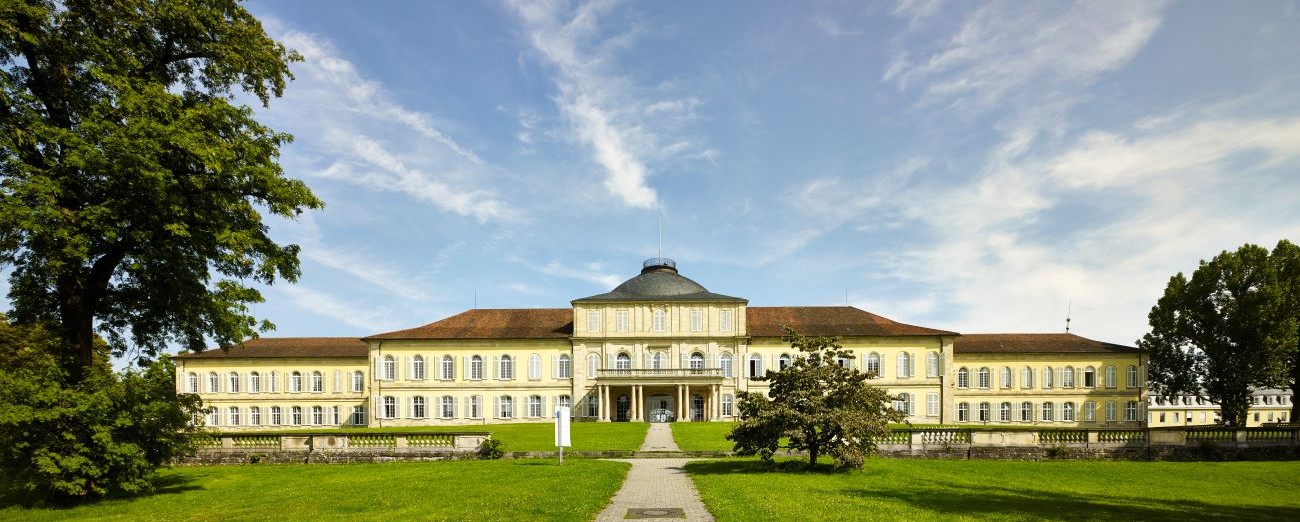
University of Hohenheim © University of Hohenheim

The oldest university in Stuttgart, the University of Hohenheim, is unique in its strong specialisation.

Founded in 1818 after devastating famines, the University of Hohenheim is not only engaged in intensive basic research but has traditionally always been committed to developing innovative solutions for some of society's pressing problems. To do so, the University of Hohenheim engages in a combination of scientific disciplines that is unique among German universities.

Strong in research and exceptionally well-connected

Today, the University of Hohenheim is the leading university in agricultural research and food sciences, as well as strong and unparalleled in natural, social, business, economic, and communication sciences. The combination makes it possible to find solutions for many global challenges. This is why the university puts great importance on maintaining an international network with numerous strong partners.

Award-winning range of degree programmes

The degree programmes at the University of Hohenheim are innovative and adventurous. The “Mobile Teaching” and “Humboldt Reloaded” pilot projects, promoting research-oriented studies, have been given the Ars Legendi Prize for excellence in teaching and other awards.

Specialisation Bioeconomy

Bioeconomy is a joint specialisation of research and teaching in all subjects. This specialisation addresses the economics of the future, with new products and new production processes, involving raw material from plants, animals, or microorganisms.

The green campus of short distances

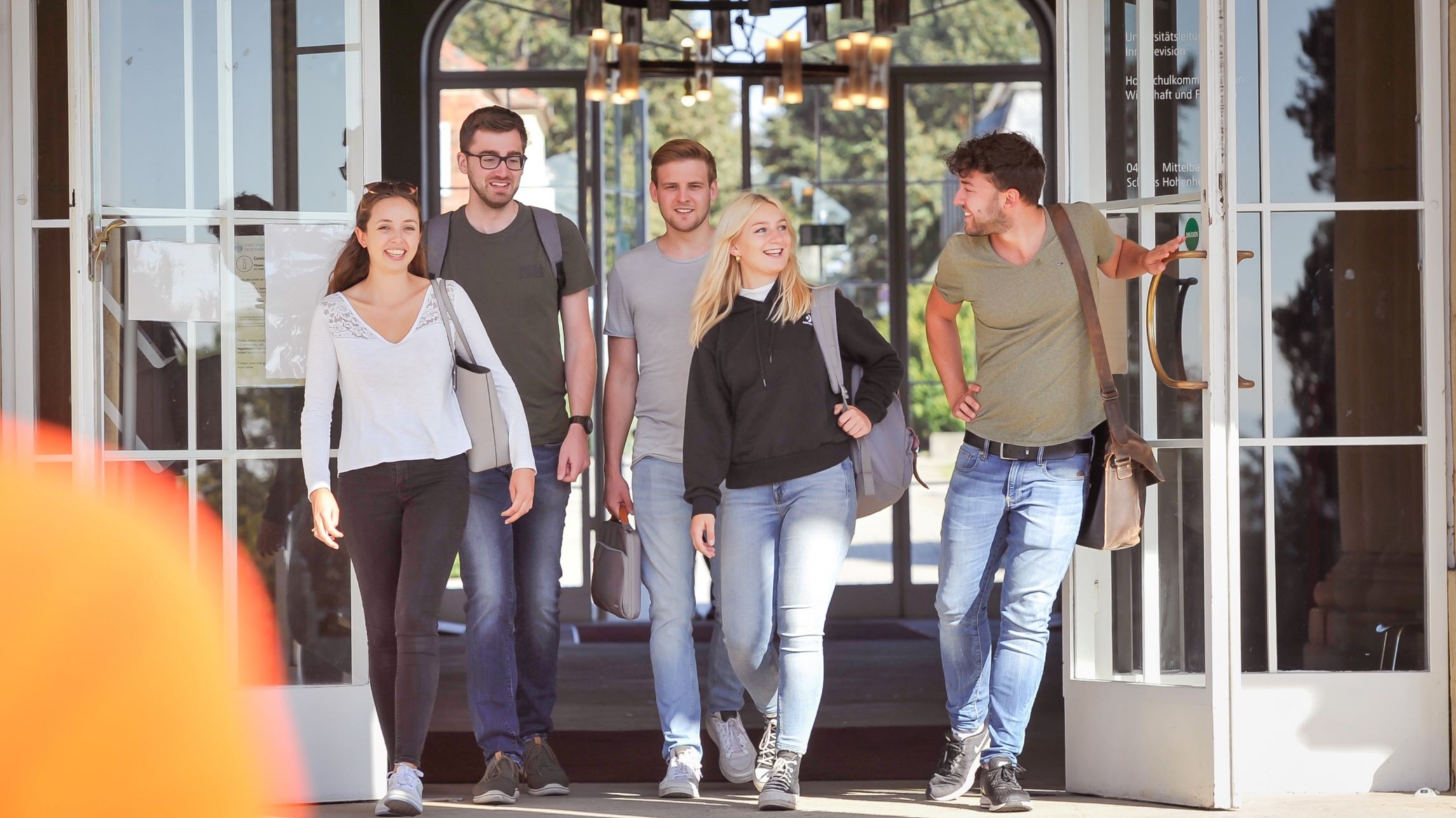
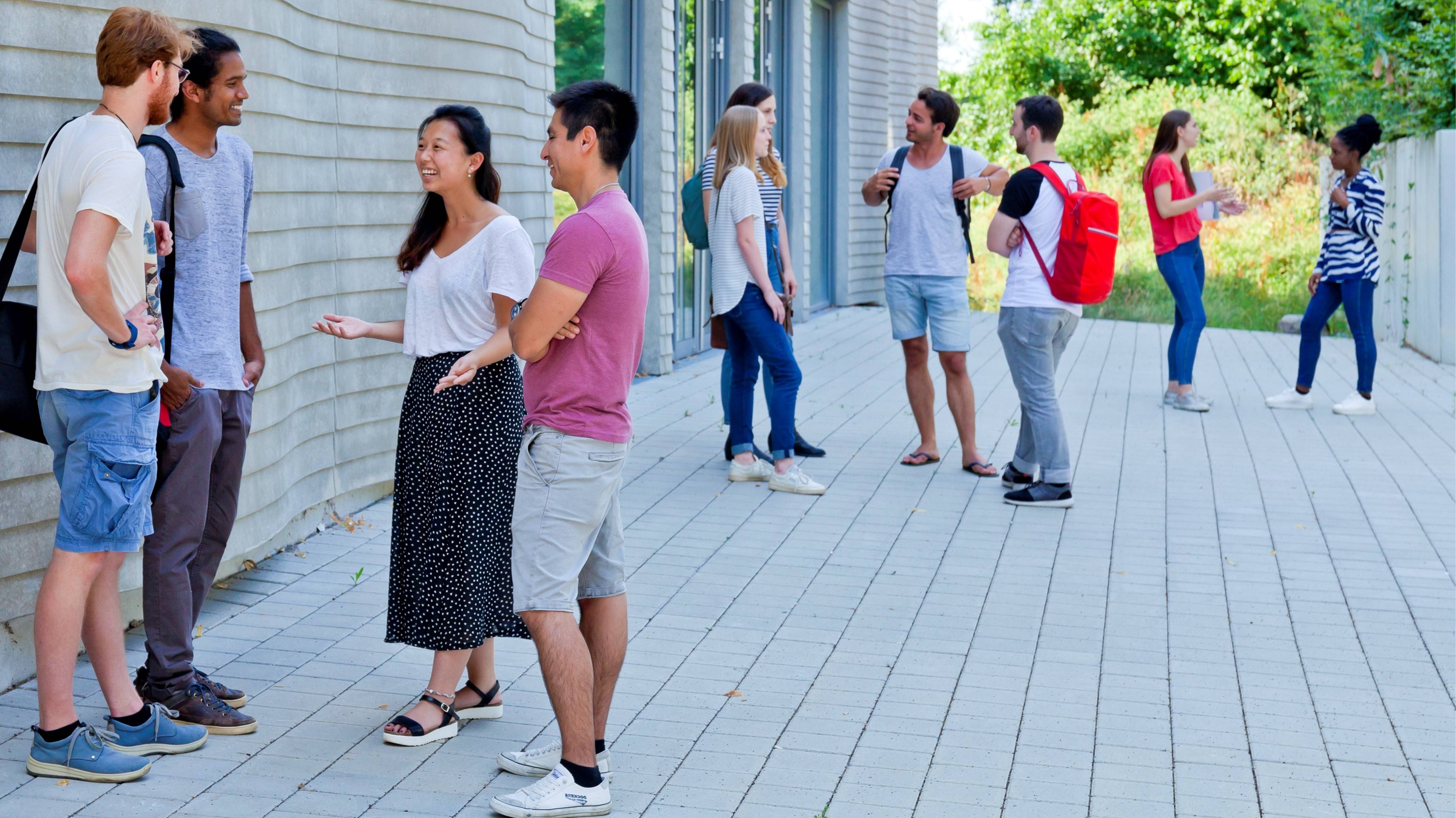
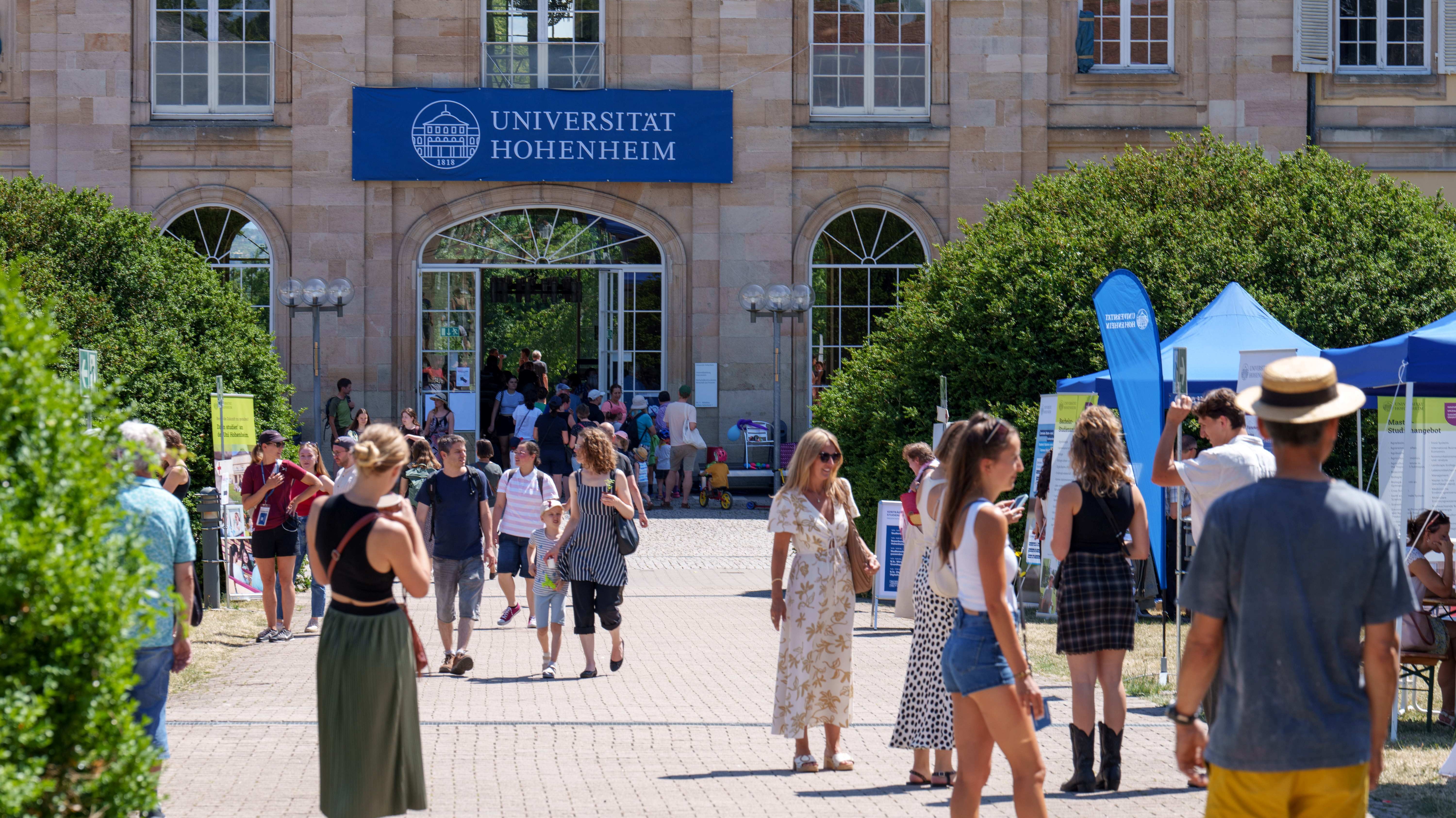
The "green campus" of the University of Hohenheim is a concept that pertains not only to the content of its innovative programmes but also to the lush green environment on its campus. The green campus, with its short distances all around the Hohenheim Palace, is known as the most beautiful campus in the state. The university members value its personal atmosphere as well as the way that the campus facilitates a close proximity to colleagues.

University location

The University of Hohenheim is located in Stuttgart, the capital of the federal state of Baden-Württemberg. Why is Baden-Württemberg such a popular place to live and work? Probably because it has one of the lowest unemployment rates in the entire country. Where there's a strong economy, there is also a strong education system.

If you ask someone abroad, "What is Stuttgart famous for?", the answer is invariably, "Porsche, Mercedes and Bosch!" All these premium global players and many more have production sites in Stuttgart or in the region. As a result, they contribute to Baden-Württemberg's excellent reputation as one of the economic powerhouses of Europe.

Within Germany, Baden-Württemberg is at the forefront of the country's energy policy turnaround. The development and expansion of a sustainable energy economy is a top priority in the south-west.

What should we be famous for?

Many things that make Stuttgart and the region special are not known abroad. Because you will stay here for a semester or two, you should know more about it:

  • The Swabians are proud of the Swabian cuisine: Maultaschen (filled pasta), Spätzle (egg noodles) and Schnitzel. You will definitely love the Swabian specialities, including the famous German beer and the wines of Württemberg.
  • Stuttgart is also famous for the "Cannstatter Wasen". This is the second biggest beer festival in Germany after Oktoberfest. It attracts more than four million visitors every year. The first Wasen was celebrated in honour of the foundation of the University of Hohenheim 200 years ago!
  • Or maybe the region should be famous for the fact that the sun shines more often and for more hours here in the south-west than anywhere else in Germany. Additionally, the low crime rate means that Baden-Württemberg is one of the safest German federal states. As you might expect, it thus tops the scale of life expectancy and quality of life. 
  • We are proud of the diversity in our city! People from all over the world are living in Stuttgart. Stuttgart is an example of combining cosmopolitanism and successful integration. No other city in Germany has a higher proportion of international citizens. We are convinced that it is this diversity that makes us strong!

Activate map

To activate the map, click on the "Show map" button. We would like to point out that data will be transmitted to OpenStreetMap after activation. You can find out more in our privacy policy. You can revoke your consent to the transmission of data at any time.