International Programmes 2025/2026

Satellite Technology – Advanced Space Systems (SaTec) Satellite Technology (SaTec)

Julius-Maximilians-Universität Würzburg • Würzburg

Degree
Master of Science (MSc)
Course location
Würzburg
In cooperation with

German Aerospace Center (DLR), European Space Agency ESA, Fraunhofer Institutes, ZfT Center for Telematics, IABG, Max Planck Institute for Extraterrestrial Physics, OHB Space, ARC, Wittenstein AG, Schaeffler Aerospace, Airbus Defence and Space, IFAC, Unisec Global, UNOOSA, IAF, IAA, Technical University of Munich, University of the Bundeswehr Munich

Teaching language
  • English
Languages

English

Full-time / part-time
  • full-time
Programme duration
4 semesters
Beginning
Winter semester
Application deadline

Tentatively 15 March for the following winter semester, but please check our applications page for the current deadline:
https://www.uni-wuerzburg.de/satec/application/.

Tuition fees per semester in EUR
None
Combined Master's degree / PhD programme
No
Joint degree / double degree programme
No
Description/content

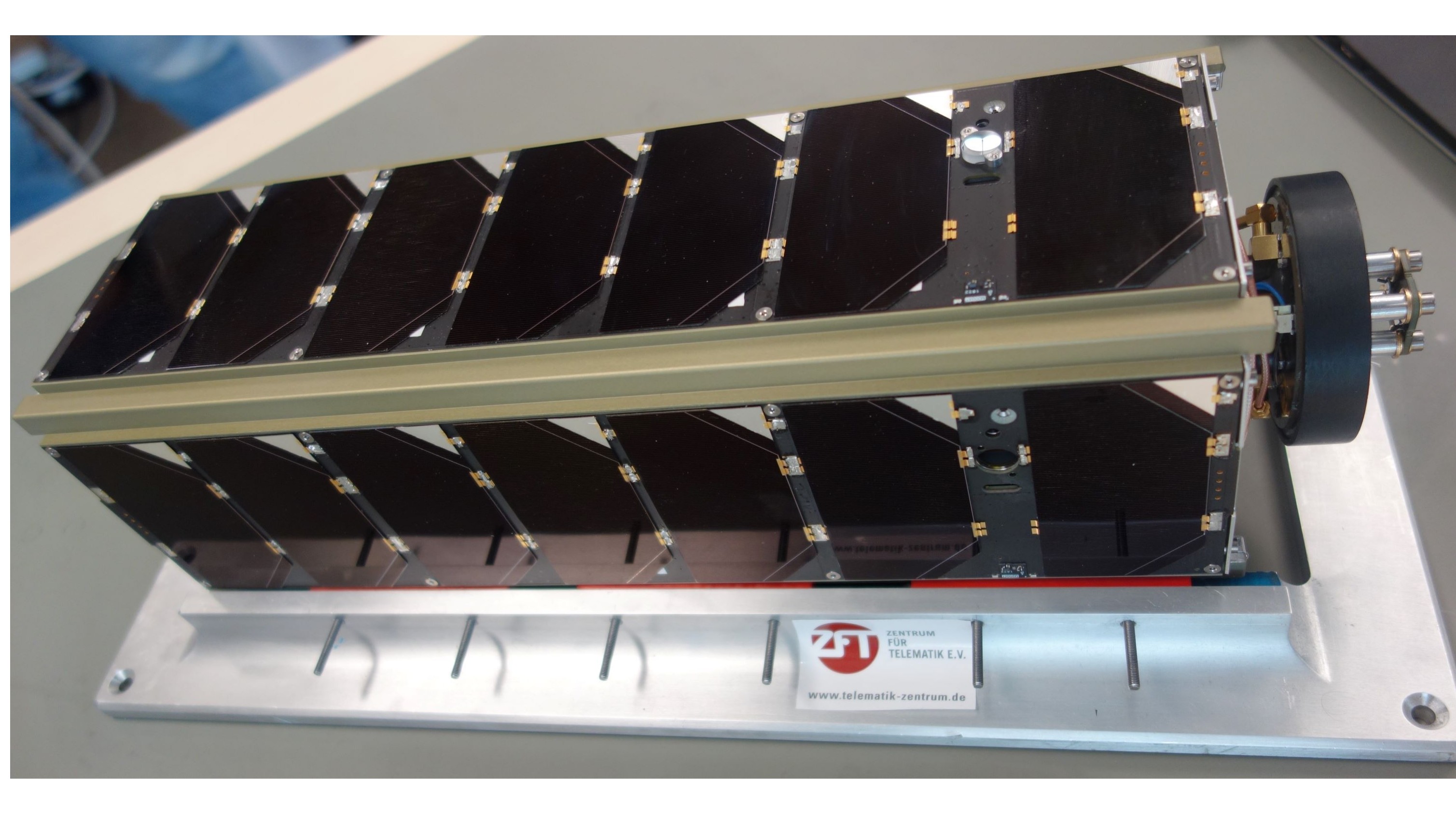
Our programme in Satellite Technology, chosen and supported by the Elite Network of Bavaria, focuses on interdisciplinary space systems engineering skills. The objective of SaTec is training of students for the realisation of space missions through its interdisciplinary curriculum in close cooperation with nearly all Bavarian space organisations in academia, research and industry. During their studies, students participate in interesting space research projects. Currently, the Würzburg space ecosystem, which is composed of universities, research institutes and companies, operates 13 of its own satellites in orbit and implements 30 small satellites to be launched in the next years. Thus, Würzburg is THE top research location in Europe for small satellites. SaTec emphasises on electronics and computer science methods compared to traditional mechanical engineering. Related adaptive space systems are very much in demand in research and industry environments. The course contents and research projects focus on space systems engineering skills and include interdisciplinary fields, e.g. space dynamics, attitude and orbit control, computer science, robotics, telecommunication, remote sensing, electrical and mechanical engineering, control engineering and more.

Course organisation

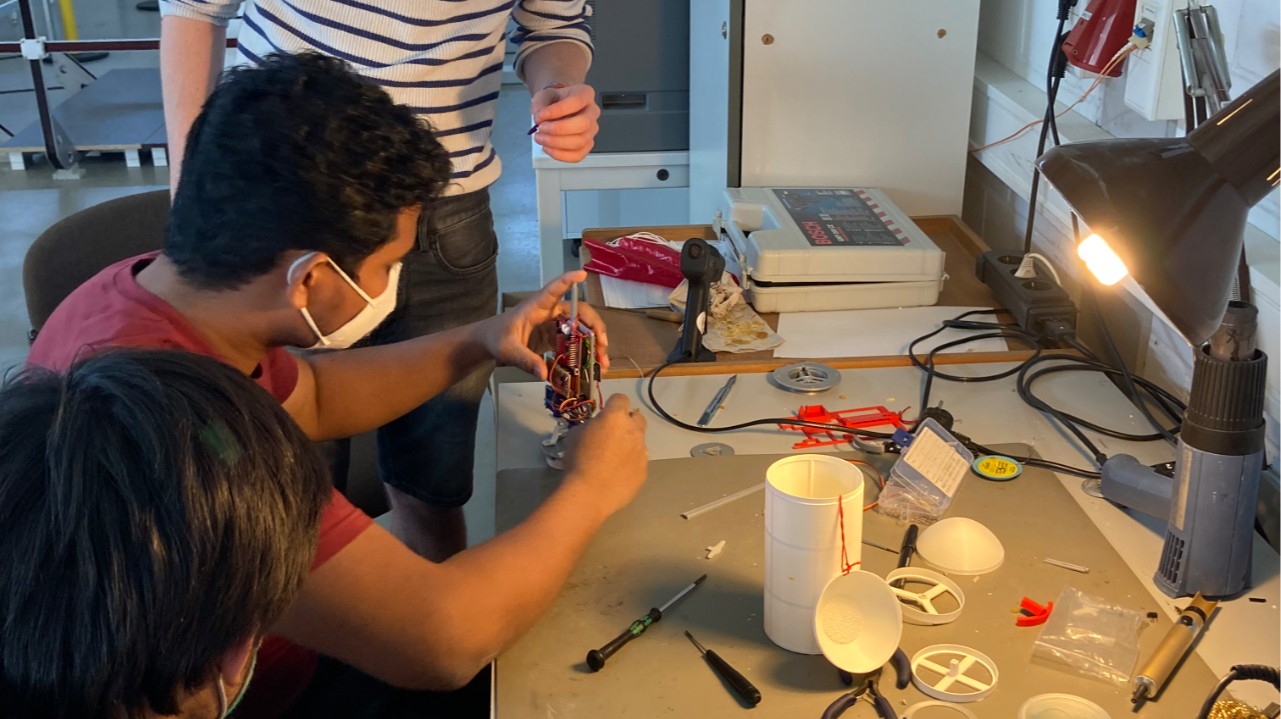
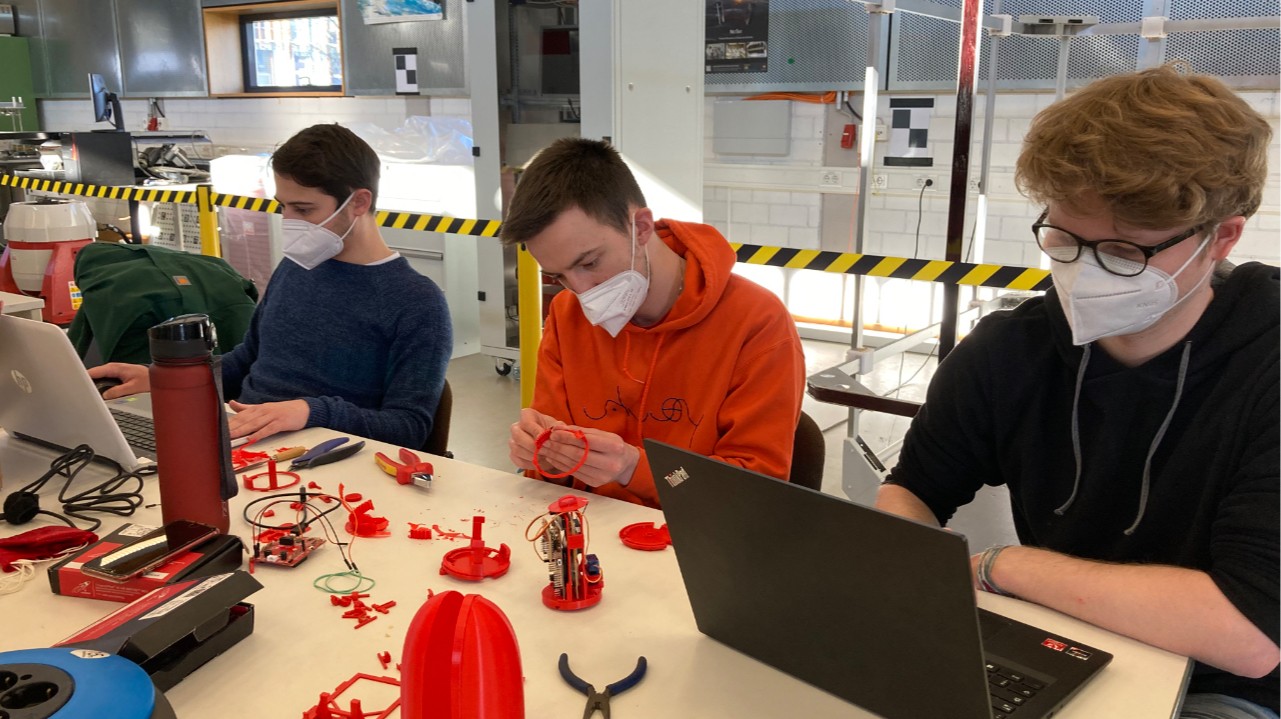
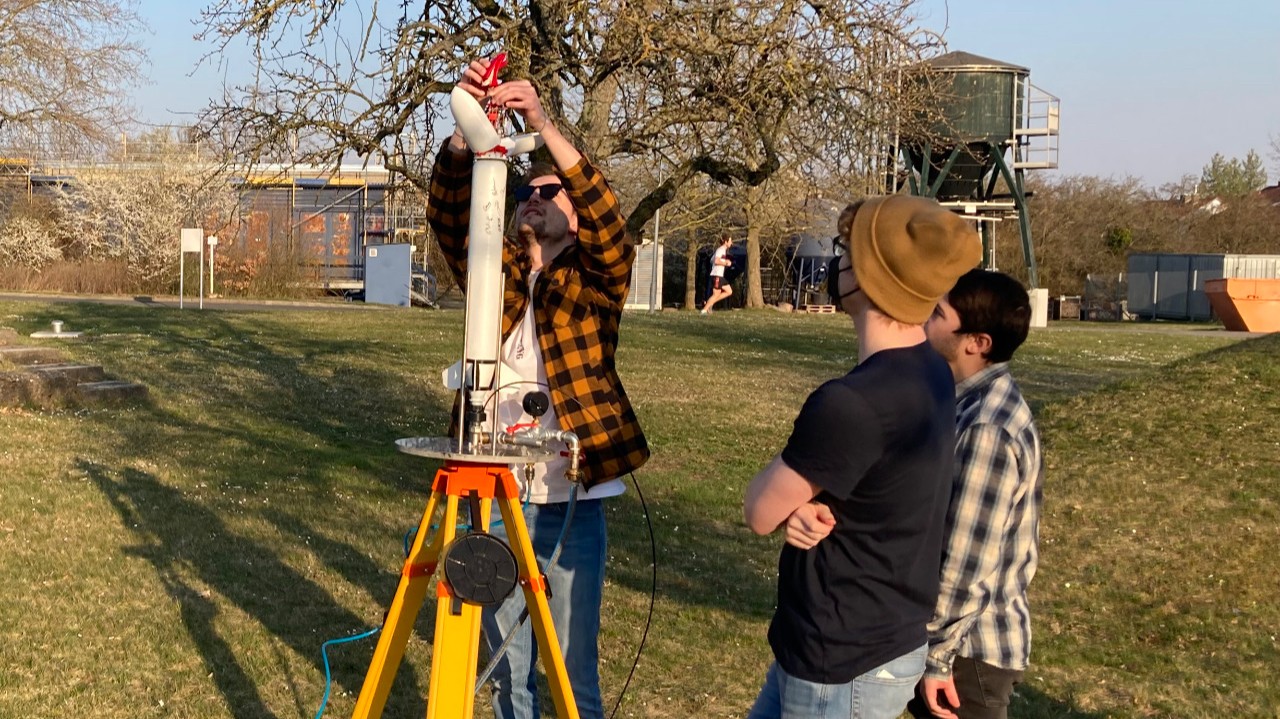
The programme reflects the three phases of space development: system analysis (first semester), system design (second semester) and system implementation (third semester). During the fourth semester, students implement the concepts of these semesters in their Master's theses. Course contents are offered in the form of lectures, exercises, seminars and labs. The programme intensively supports students in hands-on realisation of theoretical lectures in hardware design classes at the university and at partner organisations. In addition, students can develop their skills in individual research projects at partner institutions (e.g. space agencies, research institutions, space industry).

For detailed information, please refer to the programme website:
https://www.uni-wuerzburg.de/satec/home/

A Diploma supplement will be issued
Yes
International elements
  • International guest lecturers
  • Specialist literature in other languages
  • Projects with partners in Germany and abroad
Description of other international elements

Presentations of international space experts supported by Elite Network of Bavaria (ENB) and ESA_Lab@ZfT

Integrated internships

Internships are possible at research institutions (e.g. DLR, Fraunhofer, Max Planck, ZfT), space agencies (e.g. DLR, ESA) and industry partners (e.g. Airbus, IABG).

Special promotion / funding of the programme
  • Other (e.g. state level)
Course-specific, integrated German language courses
No
Course-specific, integrated English language courses
No
Tuition fees per semester in EUR
None
Semester contribution

There are generally no tuition fees at the University of Würzburg. However, each semester, students are required to pay a contribution for enrolment or registration. This fee, approximately 170 EUR, not only supports various student services but also includes a semester ticket that grants you unlimited access to public transportation throughout the city of Würzburg.

Costs of living

Living in Würzburg is quite affordable compared to other German cities, making it an attractive option. While individual lifestyles vary, here is an estimate of typical costs:

  • Food: 300 EUR
  • Rent: 350 to 500 EUR
  • Student health insurance: 140 EUR

Würzburg offers a vibrant student life with plenty of affordable options for dining, entertainment, and leisure activities. The University of Würzburg, its student representation and wider network of local partners help you manage your budget effectively, also by offering student discounts.

Funding opportunities within the university
Yes
Description of the above-mentioned funding opportunities within the university

https://www.uni-wuerzburg.de/en/international/studying-in-wuerzburg/degree-programmes/before-arrival/costs-and-financing/

Academic admission requirements

Bachelor's degree or equivalent in Engineering or Natural Sciences
Please check the programme website at: https://www.uni-wuerzburg.de/satec/home/.

Language requirements

English: B2 (CEFR) – proof of English language proficiency with your application

German: A2 (CEFR) – proof of German language proficiency at the end of the second semester

https://www.uni-wuerzburg.de/satec/home/

Application deadline

Tentatively 15 March for the following winter semester, but please check our applications page for the current deadline:
https://www.uni-wuerzburg.de/satec/application/.

Submit application to

E-mail: space@informatik.uni-wuerzburg.de

AND

by mail:

Julius-Maximilians-Universität Würzburg
Chair Informatik VII (SaTec)
Am Hubland
97074 Würzburg
Germany

Possibility of finding part-time employment

Finding part-time employment in Würzburg is a great way to gain experience, make new connections, and supplement your finances while studying. Students from EU and EEA countries enjoy equal terms in the labour market and can work freely during their studies. Students from other countries can work up to 140 full days or 280 half days per year, including voluntary internships. If you wish to work more, you'll need permission from the employment agency ("Agentur für Arbeit") or the immigration office.

It's important to ensure that your studies remain your top priority, so choose a side job that complements your academic schedule. The University of Würzburg offers resources to help you find part-time work, such as the student job portal. Popular student jobs include roles as academic assistants, bartenders, cashiers, personal trainers, translators, and more.

Accommodation

Finding the perfect place to live is an important part of your student experience at the University of Würzburg. Unlike some other countries, students in Germany need to find their own accommodation, as universities do not automatically provide it. At the University of Würzburg, you have two main options: "Studierendenwerk" housing or private rooms/student halls.

The Student Housing Service ("Studierendenwerk") manages 12 student residences in Würzburg, offering a total of 2,887 rooms. These dormitories provide a variety of amenities:

  • Single and double rooms or apartments shared by two to four students, with communal kitchens and bathrooms

  • Furnished rooms and apartments are available, though you'll need to bring your own dishes, cooking items, bedding, and towels.

To apply for housing, note the deadlines: 15 June for the winter semester and 15 January for the summer semester. For more information about private rooms and student halls, visit the Central Student Advisory Service.

In addition to Studierendenwerk housing, there are many private accommodation options available:

  • Shared apartments ("Wohngemeinschaften" or "WGs"): These are popular among students and offer a great way to meet new people and share living costs.

  • Private student halls: These are often run by private companies and offer similar amenities to Studierendenwerk dormitories. They can be a bit more expensive but may offer more modern facilities.

  • Short-term accommodation: If you need a place to stay while you search for permanent housing, consider options like hostels, guest houses, or short-term rentals.

Remember to start your housing search early and stay positive! With a bit of patience and diligence, you'll find a cosy place to call home.

Career advisory services and programmes for future professionals

https://www.uni-wuerzburg.de/en/career/home/

Support for international students and doctoral candidates
  • Welcome event
  • Tutors
  • Visa matters
  • Pick-up service
Supervisor-student ratio
1:2

Julius-Maximilians-Universität Würzburg

The University of Würzburg is a large university offering a broad and innovative range of subjects, yet not too big to be impersonal. Established for the first time in 1402, the University of Würzburg now offers more than 100 subjects in humanities, social and natural sciences, life sciences, medicine and selected areas of engineering. A university with an international reputation for excellent research is proud to be the home of outstanding researchers including 14 Nobel Laureates. We are committed to delivering not only quality research but also quality education and teaching.

University location

Activate map

To activate the map, click on the "Show map" button. We would like to point out that data will be transmitted to OpenStreetMap after activation. You can find out more in our privacy policy. You can revoke your consent to the transmission of data at any time.